
Musk’s $470M Midterm Bet Backfires as Texas Flip Triggers $420B Market Cap Loss
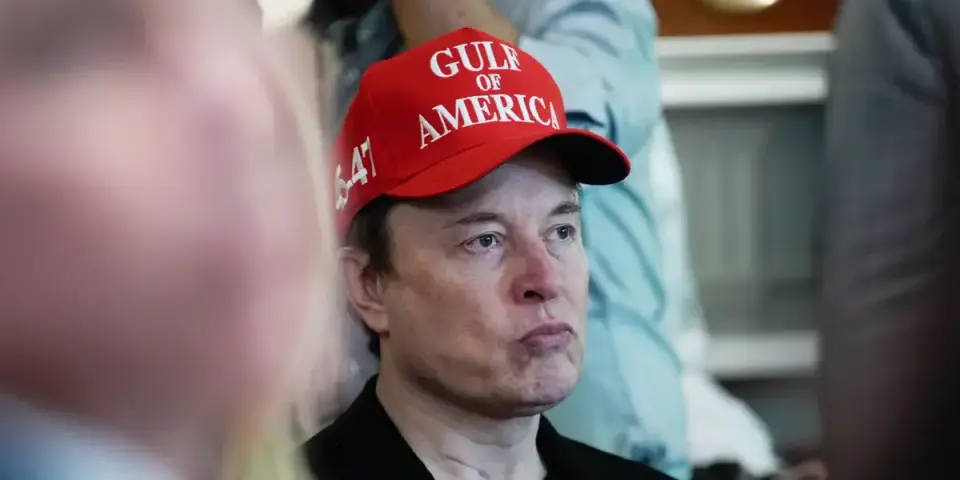
Elon Musk’s massive financial backing of Republican candidates in the 2026 midterms failed to secure political protection for his companies. Following a Democratic 'blue wave' that flipped Texas and Congress, Tesla and SpaceX shares plummeted, wiping out over $420 billion in combined market value. Investors fear that new Democratic leadership in Texas, particularly Governor-elect Gina Hinojosa, will impose regulatory hurdles on data centers and AI infrastructure, while potential congressional probes into Starlink’s service in Ukraine threaten a planned merger between Musk’s two largest firms.
Key points
- Musk spent over $470 million supporting GOP candidates, but most lost as Democrats won control of both houses of Congress.
- Tesla and SpaceX shares dropped approximately 14% and 13% respectively over two days, totaling a market cap loss of over $420 billion.
- Musk’s net worth fell below $800 billion, down from a peak of $1 trillion earlier in the year, though he remains the world’s richest person.
- Texas Governor-elect Gina Hinojosa has vowed to impose a moratorium on new data center construction, directly threatening SpaceX’s 'Colossal 3' project and AI expansion plans.
- Democrats in Congress are expected to scrutinize SpaceX’s throttling of Starlink services in Ukraine and potentially block a merger between Tesla and SpaceX due to increased regulatory oversight.
Background
In late October 2026, Musk’s net worth approached $1 trillion, driven by strong earnings and speculation regarding a potential merger between Tesla and SpaceX. However, the recent midterm elections have reversed this momentum. Earlier reports indicated that Democratic victories in key swing states, particularly Texas, triggered a sharp sell-off in Musk-linked stocks, reversing the gains seen in the previous month. The current market reaction is a continuation of this trend, with investors now focusing on the long-term regulatory implications of the new political landscape rather than just immediate stock volatility.
How outlets are covering it
Business Insider and CNBC emphasize the sheer scale of the financial loss, noting that Musk’s $470 million investment in the midterms was a failed gamble that resulted in a $420 billion market cap decline. They highlight the risk to the Tesla-SpaceX merger, with analysts like Ross Gerber and Gordon Johnson arguing that Democratic subpoena power and regulatory scrutiny make the merger difficult to complete. CNN focuses on the specific local impacts in Texas, detailing how Governor-elect Hinojosa’s anti-data center stance and Attorney General Nathan Johnson’s potential investigation into Starlink grants pose direct threats to Musk’s operations. The New York Times provides a broader political context, noting that opposition to data centers became a unifying issue for Democrats in swing districts, suggesting that the regulatory backlash may be more widespread than just Texas. While all sources agree on the negative market impact, they differ in emphasis: financial outlets focus on merger viability and market cap, while political analysts focus on the specific regulatory threats posed by new Texas leadership.
Why it matters
The collapse in Tesla and SpaceX stock values signals a significant shift in the risk profile for AI and EV infrastructure investments. The potential for stricter regulation on data centers and increased congressional scrutiny of Musk’s business practices could delay major projects like the 'Colossal 3' data center and hinder the expansion of robotaxi services. Furthermore, the failure of Musk’s political spending to secure regulatory protection suggests that corporate influence may be less effective in the face of a unified Democratic opposition, potentially altering the strategic direction of major tech companies in the coming years.
What to watch
Investors will closely watch for any official announcements regarding the Tesla-SpaceX merger, which may be delayed or abandoned due to regulatory hurdles. In Texas, the new administration under Governor-elect Hinojosa will likely move to implement the proposed moratorium on data centers, potentially forcing SpaceX to relocate its AI infrastructure or seek alternative energy solutions. Additionally, Democratic lawmakers in Congress are expected to initiate formal inquiries into Starlink’s service restrictions in Ukraine, which could lead to further legal and financial challenges for SpaceX. Musk’s response to these regulatory pressures will be a key indicator of how his business empire adapts to the new political reality.
- Investors are dumping shares of Elon Musk's companies after the blue wave election Business Insider
- Musk bet big on keeping Texas red. What happens to his business empire now? CNN
- Opinion | Elon Musk’s Very Bad Night The New York Times
- Elon Musk's Tesla and SpaceX lose over $420 billion in combined market cap after midterms CNBC
- Elon Musk will face scrutiny from Democrats after midterms NPR
Want the full story? Read the original reporting
Read on Business Insider