
Dunlop CEO likens California's new tire mandate to failed high-speed rail project
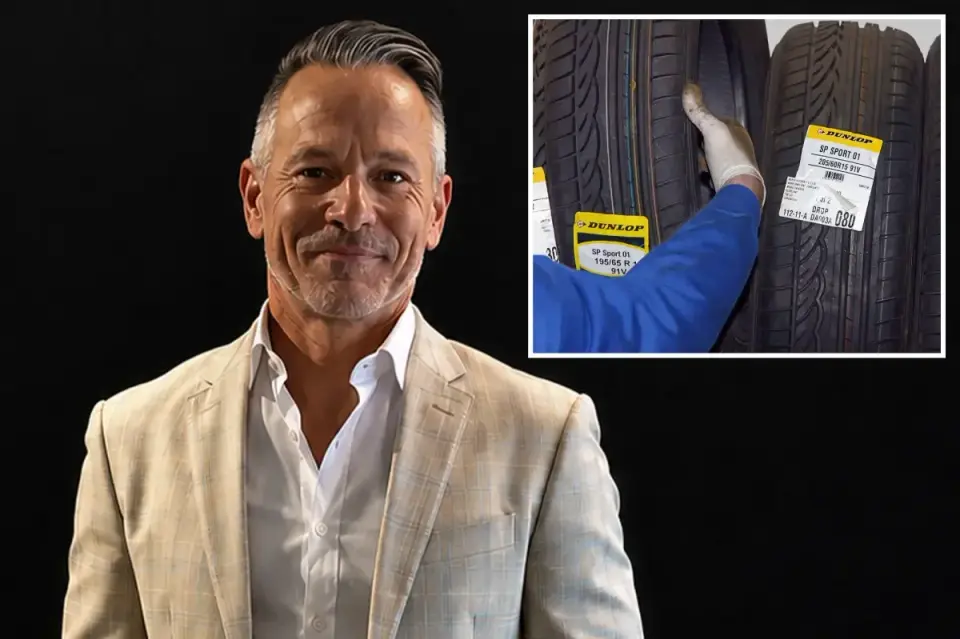
California’s Energy Commission unanimously approved a first-of-its-kind rule requiring replacement tires to match the low rolling resistance of new car tires by 2033. While the state projects billions in fuel savings and significant emission reductions, tire executives warn of steep price hikes and supply shortages, comparing the untested mandate to the state’s over-budget high-speed rail project.
Key points
- The California Energy Commission voted 5-0 to adopt replacement tire efficiency standards, with an interim phase starting in 2029 and full compliance required by 2033.
- Dunlop Tires CEO Darren Thomas compared the new mandate to California’s high-speed rail, arguing the state failed to validate real-world outcomes before implementation.
- The Commission estimates the rule will save drivers approximately $1 billion annually in fuel costs and reduce carbon emissions by 2 million metric tons per year.
- Critics, including Dunlop and Falken, predict tire prices could rise by 15-20%, while the Commission estimates an incremental cost of only $1.50 to $6.50 per tire depending on the phase.
- The rule includes exemptions for winter and competition tires, and relaxed standards for long-life and wet-grip tires to address industry concerns about safety and durability.
Background
This regulation stems from Assembly Bill 844, passed in 2003, which directed the California Energy Commission to establish replacement tire efficiency programs. The rule had been delayed for over two decades due to federal standard developments and economic recessions. Recent archive coverage highlights ongoing debates over the state’s high-speed rail costs and other environmental mandates, providing a backdrop for current criticisms of large-scale regulatory initiatives.
How outlets are covering it
Supporters, including the California Energy Commission and environmental groups like the American Lung Association, argue the rule is essential for long-term affordability and air quality, citing lab tests that show no negative impact on tire lifespan or safety. Opponents, led by Dunlop Tires and the U.S. Tire Manufacturers Association, contend the rule is rushed and ignores real-world variables like tread life and weather performance. While the Commission projects modest cost increases, industry leaders warn of a 15-20% price surge and potential supply shortages, with some manufacturers like Bridgestone and Michelin supporting the technical feasibility but others like Goodyear opposing enforcement challenges.
Why it matters
The regulation impacts millions of California drivers by potentially altering tire prices and availability, while setting a national precedent for vehicle component efficiency. It highlights the tension between environmental goals and consumer affordability, with the state’s high-speed rail serving as a cautionary tale for untested large-scale mandates.
What to watch
The California Energy Commission will monitor industry compliance as the first phase begins in 2029. Dunlop Tires plans to engage with the Commission to refine the rules based on real-world data, while Republican lawmakers have called for a pause on related bills pending independent cost analyses.
- Exclusive | Dunlop CEO tears Gavin Newsom’s tire rule apart in brutal takedown New York Post
- Opinion | Now California Is Coming for Your Tires WSJ
- More fallout from California’s tire regulation San Diego Union-Tribune
- California tire rules spark backlash from Dunlop Tires, with cost being 'a real issue' KCRA
- Your car may not be fuel efficient, but your tires have to be now Los Angeles Times
Want the full story? Read the original reporting
Read on New York Post