Tag

Consumer Costs

All articles tagged with #consumer costs

California to phase out less efficient replacement tires
policy8 days ago

California to phase out less efficient replacement tires

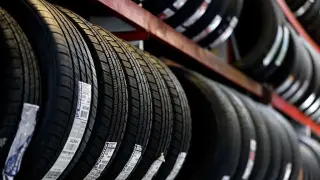
California’s Energy Commission approved a two-phase rule to curb replacement tires with higher rolling resistance. Beginning in 2029, tires must meet a maximum rolling resistance of 9.1 N/kN, then drop to 7.2 N/kN in 2033, ensuring sold replacements are as energy-efficient as original equipment. Regulators estimate phase 1 could save about $79 in four months and phase 2 about $153 in seven months, while tire makers warn costs could rise and a large share of current tires could be banned. Enforcement will involve a lab testing program and retailer checks, with numerous exclusions (e.g., competition, winter, used/treaded, space-saver, and some off-road tires).

Trump push to loosen home-appliance efficiency standards faces backlash
policy1 month ago

Trump push to loosen home-appliance efficiency standards faces backlash

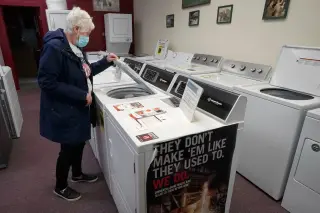
The Energy Department proposes weakening or pausing future efficiency updates for home appliances (air conditioners, refrigerators, washing machines), arguing it preserves consumer choice and lowers costs, but critics warn it would increase energy use and strain the grid, undo decades of efficiency gains, and could face lawsuits from Democratic-led states; the move mirrors earlier Trump-era efforts and follows other rollbacks since he returned to office.

Gas bills surge: Americans paying billions more at the pump since February
business2 months ago

Gas bills surge: Americans paying billions more at the pump since February

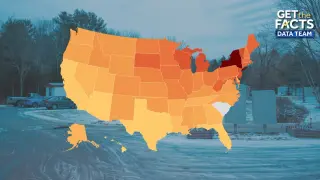
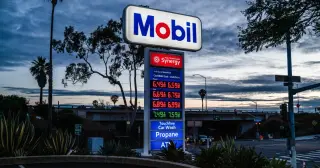
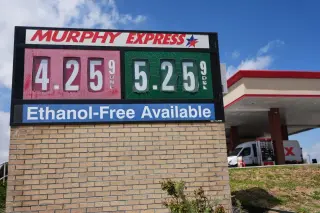
NBC News reports that since late February, Americans have spent about $33 billion more on gasoline as national average prices rose roughly 34% from Feb. 28, driven by the Iran-related conflict. The piece highlights NBC’s daily gas-cost calculator for estimating personal pump costs, notes the biggest price jumps in states like Wyoming, Utah and Wisconsin, mentions some states pausing gas taxes, and notes shifting consumer behavior toward less driving and higher utility spending.

Kiel Study Finds US Consumers Bear Nearly All Tariff Costs
economy7 months ago

Kiel Study Finds US Consumers Bear Nearly All Tariff Costs

A Kiel Institute study finds Americans shoulder about 96% of Trump-era tariff costs, with importers and consumers paying the bulk while foreign exporters mostly keep prices steady. The research notes tariff revenue of about $195 billion in fiscal year 2025 and estimates households paid roughly $758 per adult last year. It highlights deadweight losses, higher consumer prices, and disrupted supply chains, and offers four reasons why foreign suppliers haven’t offset costs. While some findings suggest tariffs could modestly curb inflation, the dominant takeaway is that tariffs act as a consumption tax on Americans.

Goldman Sachs: U.S. Consumers Bear Most of Trump's Tariffs
business10 months ago

Goldman Sachs: U.S. Consumers Bear Most of Trump's Tariffs

A Goldman Sachs report reveals that U.S. consumers are bearing up to 55% of the costs of President Trump's tariffs, contradicting claims that trading partners would pay. Despite tariffs aimed at boosting domestic manufacturing, consumer prices have been rising monthly since April, with potential increases ahead, and some businesses may be temporarily shielding consumers from higher costs.

U.S. Auto Industry Faces Rising Costs from Tariffs and Trade Policies
business1 year ago

U.S. Auto Industry Faces Rising Costs from Tariffs and Trade Policies

Automakers are currently absorbing the high costs of tariffs on imports like steel, aluminum, and foreign-made parts, which have not yet been passed on to consumers. Despite tariff bills exceeding a billion dollars for major companies, car prices have only increased modestly, partly due to full inventories and strategic pricing. However, automakers are expected to eventually raise prices and pass costs to consumers, especially with new models arriving in 2026, potentially leading to higher sticker prices and more subtle cost increases like higher financing rates.