
Musk’s SpaceX Gift to Children Faces Legal and Financial Hurdles Under New Treasury Rules
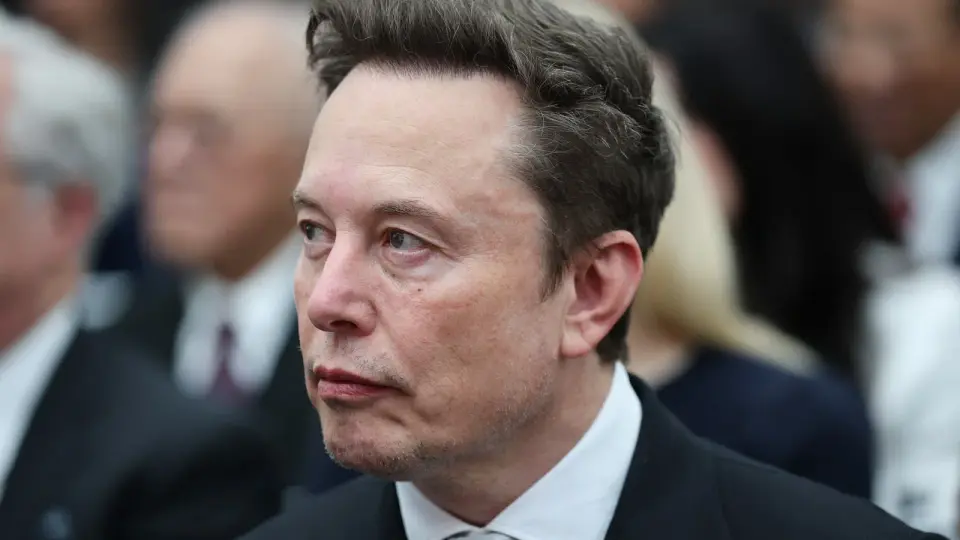
Elon Musk pledged to give one SpaceX share to every U.S. child via Trump Accounts, a move valued at roughly $10.8 billion. However, new Treasury regulations impose strict five-year holding periods and restrict sales, raising concerns about donor control and legal compliance.
Key points
- Musk announced on October 19, 2026, that he will distribute one SpaceX share to every child in the U.S. next year, with the gift potentially reaching approximately $10.8 billion in value.
- The donation is expected to flow through Trump Accounts, a program that has enrolled about 70 million children, including 60 million through recent auto-enrollment efforts.
- Treasury’s temporary regulations prohibit beneficiaries from selling donated stock for five years or until they turn 17, allowing early sales only in limited cases like delisting.
- Critics argue these rules give donors undue influence over children’s investments, unlike traditional charitable models where trustees retain final authority.
- Anthropic also pledged 5% of its shares to a public benefit fund, signaling a broader trend of tech leaders using stock gifts to address public concerns about AI and economic impact.
Background
Trump Accounts were expanded in October 2026 with auto-enrollment for 60 million children, requiring parents to manually claim $1,000 seed funds. This follows earlier pledges by SpaceX President Gwynne Shotwell and cash donations from the Dells, highlighting a growing trend of private-sector contributions to child wealth-building initiatives.
How outlets are covering it
CNBC emphasizes the legal and financial risks for beneficiaries under Treasury’s new rules, noting that donors dictate terms rather than trustees. Mother Jones frames the Musk and Anthropic pledges as PR strategies to counter public anxiety about AI and inequality, calling them a 'misdirect' that avoids accountability. The New York Times focuses on the scale of the donation and the broader trend of billionaires using direct stock gifts, without delving into regulatory constraints. All outlets agree on the donation’s magnitude but differ on whether it represents genuine generosity or strategic image management.
Why it matters
The Musk pledge tests the limits of Trump Accounts’ design, potentially setting a precedent for how private stock donations interact with public policy. If Treasury’s rules are challenged in court, it could reshape how child investment accounts operate and influence future legislation on wealth distribution and charitable giving.
What to watch
Treasury will review public comments on its temporary regulations, which may lead to revisions. Legal challenges could arise over whether forced holding periods violate statutory requirements for diversified investments. Additional pledges from tech leaders may follow, but their distribution remains uncertain pending regulatory clarity.
- If Elon Musk gifts SpaceX stock through Trump Accounts, it will come with a catch CNBC
- One SpaceX Share Per Child: The New AI PR Strategy Mother Jones
- Musk pledges to give a share of his SpaceX company to 'every kid in America' next year PBS
- Musk’s Promise to Give SpaceX Stock to Kids Is No Gift Bloomberg.com
- Elon Musk Says He Will Give a SpaceX Share to ‘Every Kid in America’ The New York Times
Want the full story? Read the original reporting
Read on CNBC