
North Carolina’s THC market faces a split future as federal ban looms
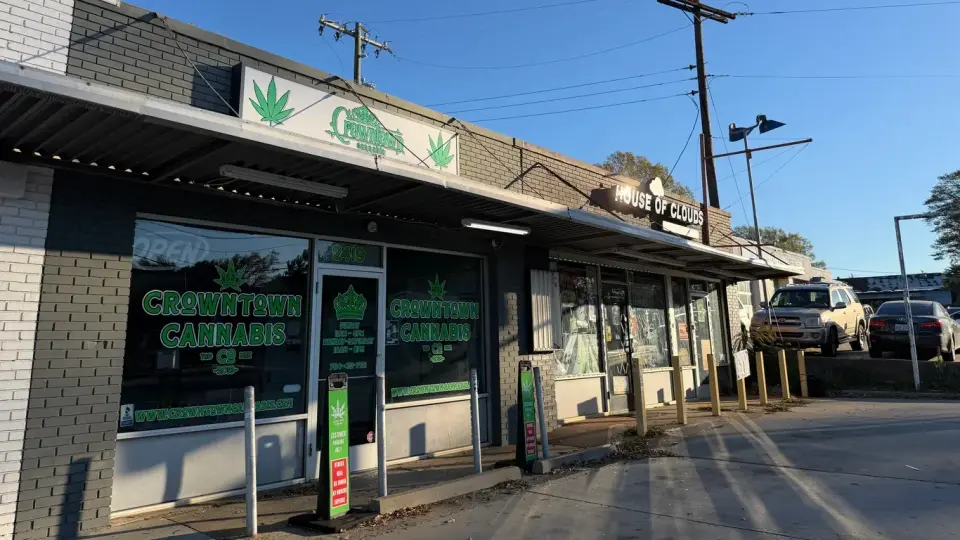
A federal ban on hemp-derived products containing more than 0.4 milligrams of THC per container is scheduled to take effect on December 11, 2026. While this move threatens to disrupt a $28 billion industry, North Carolina businesses may continue operating due to state laws that define hemp differently than the federal threshold. The situation creates a legal gray area where local dispensaries might remain open despite federal prohibitions, though they face significant risks from banking restrictions and potential federal enforcement.
Key points
- The federal ban, originally set for November 12, was delayed to December 11, 2026, giving the cannabis industry time to lobby for regulatory alternatives.
- North Carolina’s state law, enacted in 2022, defines hemp as containing less than 0.3% delta-9 THC, which differs from the federal ban’s 0.4 milligram per container limit, allowing some local businesses to potentially continue sales.
- Bipartisan efforts to create regulatory guardrails, such as age limits, are underway, but North Carolina Senator Ted Budd opposes such frameworks, citing concerns about addiction and workforce impact.
- Businesses face two main risks: potential federal law enforcement actions, though unlikely to be widespread, and practical hurdles like banking restrictions and lease terminations if their operations are deemed federally illegal.
- The seltzer and beverage sector is particularly vulnerable, with distributors like Delta Beverages already losing business as retailers become reluctant to carry THC-infused drinks.
Background
This development follows the first phase of the federal hemp ban, which took effect on November 12, 2026, prohibiting synthetic cannabinoids. The stricter phase, targeting products with more than 0.4 milligrams of total THC, is now scheduled for December 11. Earlier coverage highlighted how states like Illinois enacted similar bans, forcing businesses to liquidate inventory or relocate, and how legal challenges and temporary pauses have been used to delay enforcement. The current situation in North Carolina reflects a broader national tension between federal prohibition and state-level regulatory frameworks.
Why it matters
The impending federal ban could significantly impact the $28 billion hemp industry, leading to closures and job losses. However, the divergence between federal and state laws in North Carolina creates a complex landscape where businesses may continue operating despite federal prohibitions. This situation highlights the challenges of enforcing federal laws in states with more permissive regulations and the potential for legal and financial risks for businesses navigating this gray area.
What to watch
The cannabis industry is lobbying for regulatory solutions or further extensions of the ban. If the ban takes effect on December 11, 2026, businesses may face increased scrutiny from federal law enforcement, though widespread raids are unlikely. The outcome of ongoing legal challenges and the potential for new federal regulations in early 2027 will determine the long-term viability of hemp-derived products in North Carolina and other states.
- Is the THC ban really happening? Yes and no ... Axios
- Cannabis businesses are bracing for federal ban on Dec. 11 Axios
- New THC federal law will impact beverage availability 5 EYEWITNESS NEWS
- Bipartisan Senators File Bill To Keep Hemp THC Products Federally Legal As Next Month's Scheduled Ban Looms Marijuana Moment
- Senators Unveil Bipartisan Bill To Avert Federal Hemp THC Ban Forbes
Want the full story? Read the original reporting
Read on Axios