
Anthropic shares lag AI rally as Nvidia CEO Huang returns
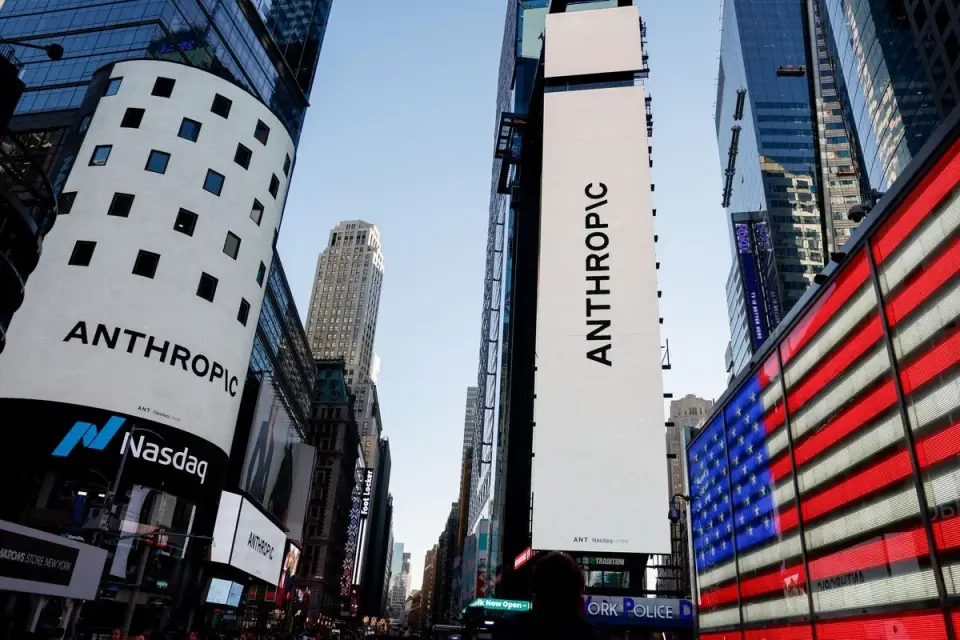
Anthropic shares fell to $87.64 on Monday, diverging from the broader AI sector's rebound following the reinstatement of Nvidia CEO Jensen Huang. While other tech stocks surged, Anthropic's decline highlights a strategic conflict between its closed-model business model and Huang's push for open-weight AI. The stock remains only 5.6% above its $83 IPO price, despite a record $1.2 trillion valuation.
Key points
- Anthropic shares dropped to $87.64 on Monday, erasing early gains and underperforming the wider AI sector.
- The decline occurred despite a market rebound triggered by the return of Nvidia CEO Jensen Huang, who had been ousted over allegations involving affairs and a suspected Chinese spy.
- Anthropic's stock closed at $88 on Friday, just above its $83 IPO price, after opening at $111.50 on Thursday.
- The company became the largest IPO in history, raising $81 billion, surpassing SpaceX's $75 billion.
- Analysts attribute Anthropic's weakness to a strategic rivalry with Nvidia, which promotes open-weight models that compete with Anthropic's premium, closed-access technology.
Background
Anthropic's IPO followed a volatile period for the AI sector. In late October and early November, Nvidia shares plummeted 42% due to the Jensen Huang scandal and broader AI valuation fears. The company's market cap lost over $2.5 trillion from its peak. Anthropic's record IPO in mid-November initially boosted sentiment but quickly reversed, contributing to a sector-wide selloff where the Nasdaq entered correction territory. The current divergence in performance reflects ongoing tensions between open and closed AI ecosystems.
How outlets are covering it
Bloomberg and Business Insider note that Anthropic's stock moved inversely to the broader AI sector, which rallied on Huang's return. Business Insider argues that Huang's return threatens Anthropic's business model, as Nvidia's push for open-weight models competes with Anthropic's closed, premium-access approach. Yahoo Finance highlights the contrast between Anthropic's record IPO and Nvidia's internal turmoil, noting that Anthropic restricted media access during its Nasdaq debut. Axios previously reported that Anthropic's IPO failed to prevent a broader AI selloff, citing concerns over sustainable AI spending and regulatory scrutiny. The divergence suggests that while Huang's return stabilizes the chipmaker, it may disadvantage Anthropic's specific market position.
Why it matters
The divergence between Anthropic and the broader AI sector signals a strategic split in the industry. Investors are weighing the risks of closed, premium AI models against the potential of open-weight systems championed by Nvidia. This tension could influence future investment flows, regulatory policies on chip exports, and the long-term viability of different AI business models. Anthropic's performance may serve as a bellwether for the market's appetite for proprietary AI technologies amidst a shifting leadership landscape at Nvidia.
What to watch
Investors will monitor whether Anthropic's shares stabilize or continue to lag the broader AI sector in the coming days. The outcome of the SEC investigation into Nvidia's accounting practices and the implementation of new chip export controls could further impact both companies. Additionally, the strategic rivalry between open and closed AI models may intensify, influencing product development and market share. Anthropic's ability to maintain its premium valuation despite Huang's return will be a key indicator of investor confidence in its business model.
- Anthropic Shares Sink, Defying AI Trade Rally on Huang’s Return Bloomberg.com
- From Anthropic to Nvidia, Wall Street just had a bizarre, wild week Yahoo Finance
- Jensen Huang's return to Nvidia is bad news for Anthropic. Here's why. Business Insider
- The Nasdaq Just Had Its Best Day Since April 2025. Anthropic Stock Fell Anyway. The Motley Fool
- Nvidia shares plunge as Anthropic can't stop the AI selloff Axios
Want the full story? Read the original reporting
Read on Bloomberg.com