
FTC Demands Data on Algorithmic Pricing from Nine Major US Companies
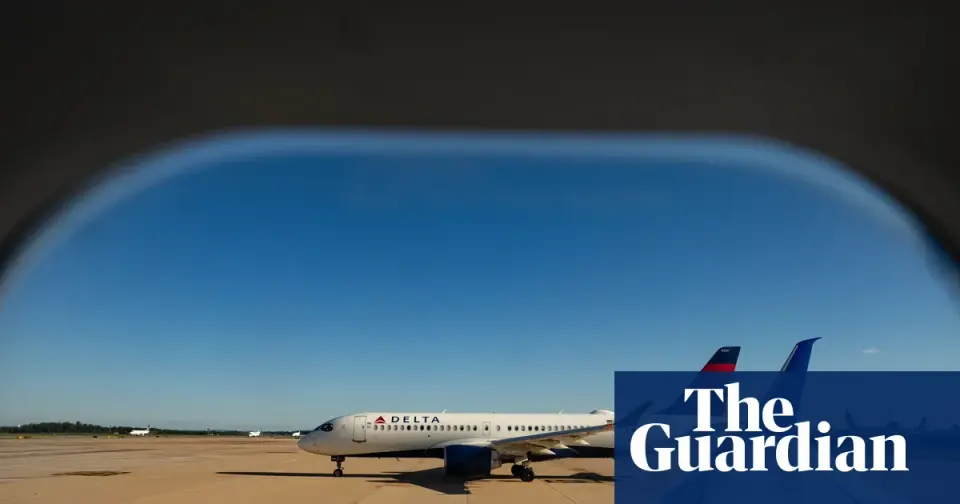
The Federal Trade Commission (FTC) has ordered nine major US companies, including Delta, Uber, and Walmart, to disclose how they use personal data and algorithms to set prices and worker compensation. The inquiry targets potential 'surveillance pricing' and unequal pay for gig workers, with a 45-day deadline for compliance. While several companies deny using such practices, the probe follows growing state and federal scrutiny of personalized pricing.
Key points
- The FTC has issued data requests to Delta, United, JetBlue, Lyft, Uber, DoorDash, Instacart, Target, and Walmart.
- The agency is investigating whether pricing varies based on loyalty programs, browsing history, or other personal data.
- The inquiry also examines if gig worker compensation is influenced by personal data, such as phone usage or acceptance history.
- Companies have 45 days to comply or face legal action to compel cooperation in federal court.
- The probe follows a January 2025 FTC report and a July 2024 inquiry into third-party surveillance pricing vendors.
Background
This inquiry builds on earlier FTC actions, including a January 2025 preliminary report finding that grocers and retailers used third-party firms to individualize online prices based on shopper behavior. In August 2026, the FTC proposed a policy requiring businesses to disclose personalized pricing practices, with a comment period extended to November 21. Additionally, Seattle enacted a first-in-nation ban on algorithmic grocery price discrimination in September 2026, and at least 30 states have considered similar legislation this year.
How outlets are covering it
The Guardian and AP News emphasize the broad scope of the inquiry, noting that the FTC is scrutinizing 'opaque methodology' and 'super-intelligence algorithms' (a term popularized by President Trump). Fox Business highlights the FTC's focus on 'surveillance pricing' and the potential for unequal compensation for gig workers. All sources report that Delta, JetBlue, Instacart, and Walmart have denied using personal data to set prices, with Delta stating it has 'zero tolerance for discriminatory or predatory pricing.' The Guardian notes that the FTC lacks authority to fine airlines, while AP and Fox Business stress the 45-day deadline and potential court action for non-compliance. The Guardian also references a prior Biden-era inquiry into third-party vendors, which FTC Chairman Andrew Ferguson criticized as insufficient.
Why it matters
The inquiry could lead to new regulations or enforcement actions against personalized pricing, impacting consumer costs and gig worker pay. It reflects growing public and legislative concern over algorithmic price discrimination, with states and cities already moving to ban such practices. The outcome may influence how companies use AI and personal data in pricing and compensation, potentially leading to greater transparency or stricter federal rules.
What to watch
Companies must respond to the FTC's data requests by December 12, 2026. The FTC will review the information to determine if personalized pricing or compensation practices are unfair or deceptive. The agency may pursue legal action against non-compliant companies and could propose new rules based on the findings. State and local legislation on algorithmic pricing may also advance in response to the federal inquiry.
- FTC orders Delta, Uber and others to hand over data on algorithmic pricing The Guardian
- FTC orders Walmart, Delta and others to share how they use personal data to set prices and pay AP News
- Delta Air Lines among companies FTC investigating for potential price-setting using AI Yahoo
- FTC probes whether major US companies charge customers different prices using personal data Fox Business
- EXCLUSIVE: US FTC demands Walmart, Uber, Delta and others hand over data on personalized pricing Reuters
Want the full story? Read the original reporting
Read on The Guardian