
S&P 500 Enters Correction as AI Fears and Nvidia Scandal Trigger Historic Volatility
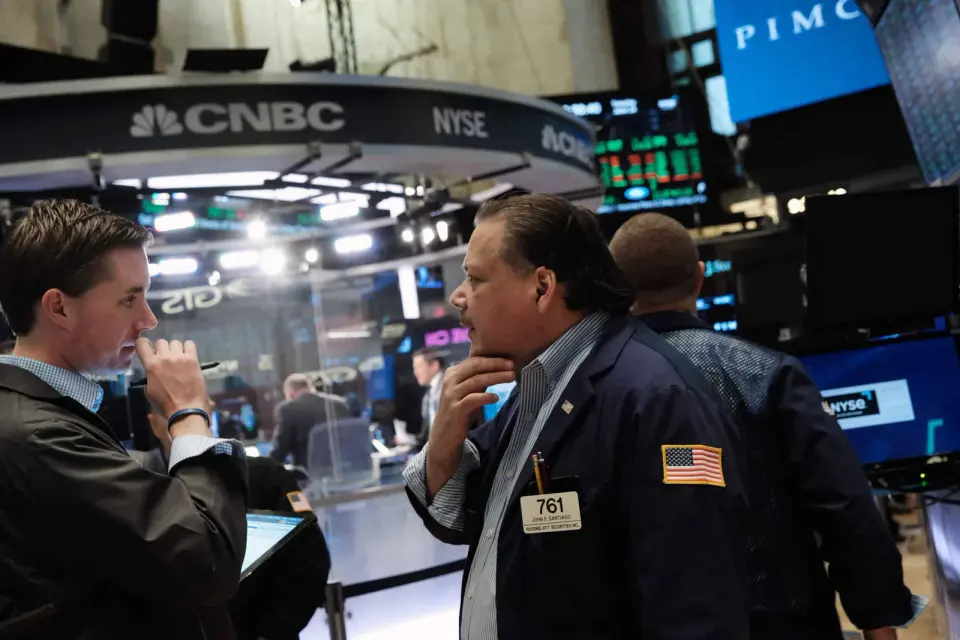
The S&P 500 fell 9% in the week ending November 20, 2026, its worst performance in 19 months, entering correction territory. The Nasdaq 100 dropped nearly 20% from its October high, nearing a bear market. The sell-off was driven by concerns over AI investment returns, the ouster of Nvidia CEO Jensen Huang, and hawkish Federal Reserve expectations. Historical data suggests such sharp declines often precede further losses, though a rebound is also possible.
Key points
- The S&P 500 closed at 7,250.00, down 9% for the week, marking its worst week since April 2025.
- The Nasdaq 100 fell over 10% in the week and is now nearly 20% below its record high, approaching bear market territory.
- The VIX volatility index closed above 35, its highest level since 2025, reflecting extreme market stress.
- The sell-off was triggered by doubts over AI profitability, the departure of Nvidia CEO Jensen Huang, and a strong Anthropic IPO that failed to lift sentiment.
- Historical analysis of the eight worst weeks since 1999 shows that stocks often fell further within a year, though a rebound occurred in six of eight cases the following week.
Background
This sell-off follows a period of heightened volatility in November 2026, including the S&P 500's worst midterm second-day drop in a century on November 5. Investors have been debating whether the tech decline signals a broader crash or a sector-specific correction. The current drop extends the drawdown from the October 6 record high, with the S&P 500 now down 12% and the Nasdaq 100 down 19.8%.
How outlets are covering it
24/7 Wall St. emphasizes historical patterns, noting that while the next week was higher in six of eight comparable cases, the bottom was often not reached for months. CNBC highlights the global impact, with Asian tech stocks like SoftBank and Samsung falling sharply, and notes concerns over AI infrastructure costs. Bloomberg focuses on the lack of dip-buying confidence, citing lingering questions about AI returns and Fed policy. Goldman Sachs sees an entry point but warns that investor positioning remains elevated, suggesting a lack of capitulation. ARK Investment Management's Brett Winton counters the bearish view, arguing that AI margins are expanding and the market is in the early stages of a $40 trillion opportunity.
Why it matters
The sharp decline affects retirement accounts, 401(k)s, and broader economic confidence. For retirees, the drop raises concerns about withdrawal sustainability, with 24/7 Wall St. advising holding three years of withdrawals outside stocks. The volatility also impacts global markets, with Asian tech stocks falling sharply. The outcome will influence future investment decisions, Fed policy, and the trajectory of the AI industry.
What to watch
Markets will reopen on Monday, November 23, 2026. Investors will watch for a rebound or further decline, with the VIX and Nasdaq 100 levels being key indicators. The Federal Reserve's December meeting and any updates on the Nvidia investigation will also be closely monitored. Goldman Sachs suggests a tactical entry point may be near, but risks remain elevated.
- The Stock Market Just Had Its Worst Week in 19 Months. A Sell-Off This Bad Usually Gets Worse, and Here's What Happened to $500,000 After the 8 Weeks That Were Worse 24/7 Wall St.
- S&P 500 and Dow close in correction; Nasdaq erases 2026 gain as AI rout picks up steam CNBC
- Instant view: Nasdaq plunges 5% a day after Anthropic debut, but investors still believe in AI Reuters
- Stock Traders Brace For More Volatility After Tech-Driven Rout Yahoo Finance
- Dip Buyers Hesitate to Step In as Nasdaq 100 Nears a Bear Market Bloomberg.com
Want the full story? Read the original reporting
Read on 24/7 Wall St.