
FTC Proposes Disclosure Rules for Retailers Using Consumer Data to Set Prices
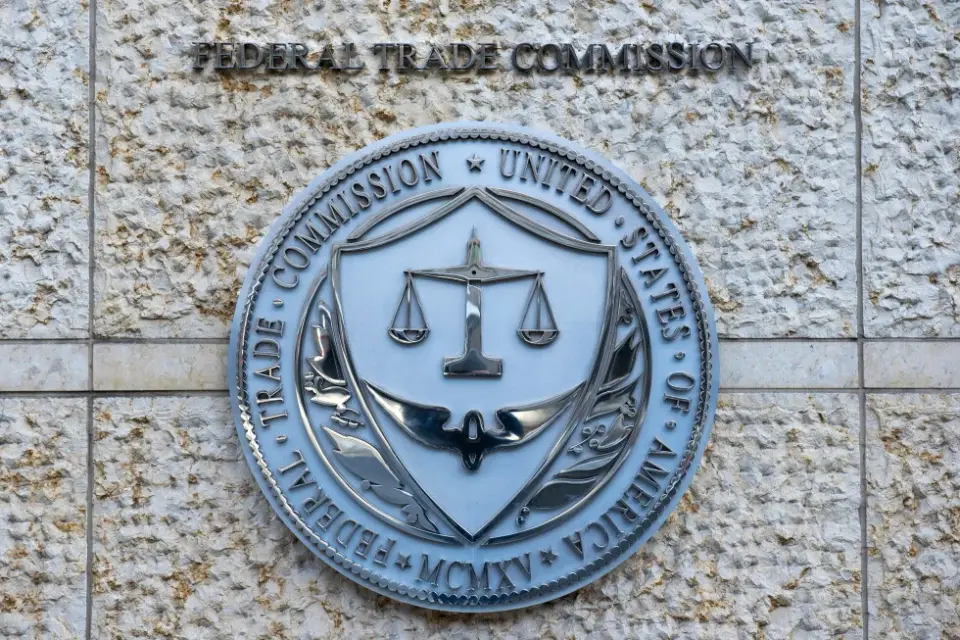
The Federal Trade Commission (FTC) has issued a warning to retailers, stating that using consumer data to personalize prices may violate consumer protection laws. While personalized pricing is not banned, companies must now disclose when they use detailed personal information to generate offers. This move follows state-level bans in Maryland, Connecticut, and New Jersey, and reflects growing consumer unease over dynamic pricing tactics seen in sectors like food delivery and ride-sharing.
Key points
- The FTC issued a warning on August 19, 2026, regarding the use of consumer data for personalized pricing.
- Retailers must disclose if they use personal data to adjust prices, though the practice itself is not prohibited.
- Several states, including Maryland, Connecticut, and New Jersey, have already banned personalized pricing at grocery stores.
- The Retail Industry Leaders Association argues that using personal data to raise prices would harm customer loyalty and competition.
- Consumer Reports advocates for a complete ban on personalized pricing rather than just disclosure requirements.
Background
This regulatory action follows earlier FTC actions against deceptive billing practices, such as the 2026 lawsuit against Hims & Hers for sharing health data and difficult cancellation policies. It also aligns with broader market scrutiny of retail pricing strategies, as seen in the 2024 backlash against Wendy’s peak-time pricing and ongoing debates over surge pricing in ride-sharing.
How outlets are covering it
AP News reports that the FTC’s proposal requires disclosure of personalized pricing practices, noting that electronic shelf labels do not automatically change prices based on individual shoppers. The Retail Industry Leaders Association, representing companies like Best Buy and Home Depot, contends that retailers do not use personal data to increase prices, as it would jeopardize loyalty and intensify competition. In contrast, Consumer Reports argues that disclosure is insufficient and that the FTC and Congress should ban personalized pricing entirely. GuruFocus highlights the potential impact on major retailers like Amazon, noting its high valuation and the FTC’s focus on transparency in algorithmic pricing.
Why it matters
This development could reshape how major retailers, including Amazon, interact with consumers by mandating transparency in algorithmic pricing. It may lead to increased regulatory scrutiny of dynamic pricing models and could influence future legislation at the federal level, potentially standardizing state-level bans on personalized pricing across the U.S.
What to watch
The FTC may pursue enforcement actions against retailers that fail to comply with the new disclosure standards. Congress and state legislatures, including California and New York, may consider further legislation to ban personalized pricing. Retailers may need to update their pricing algorithms and disclosure practices to avoid legal challenges.
- FTC proposal would require retailers to be transparent about personalized pricing AP News
- US FTC considers requiring disclosure of personalized pricing Reuters
- Exclusive | FTC Warns Retailers on Using Private Consumer Data to Raise Prices wsj.com
- Regulators warn retailers that personalized pricing could be illegal Scripps News
- FTC Warns Businesses About Personalized Pricing Practices GuruFocus
Want the full story? Read the original reporting
Read on AP News