
D.C. businesses face public backlash over AI-generated food ads
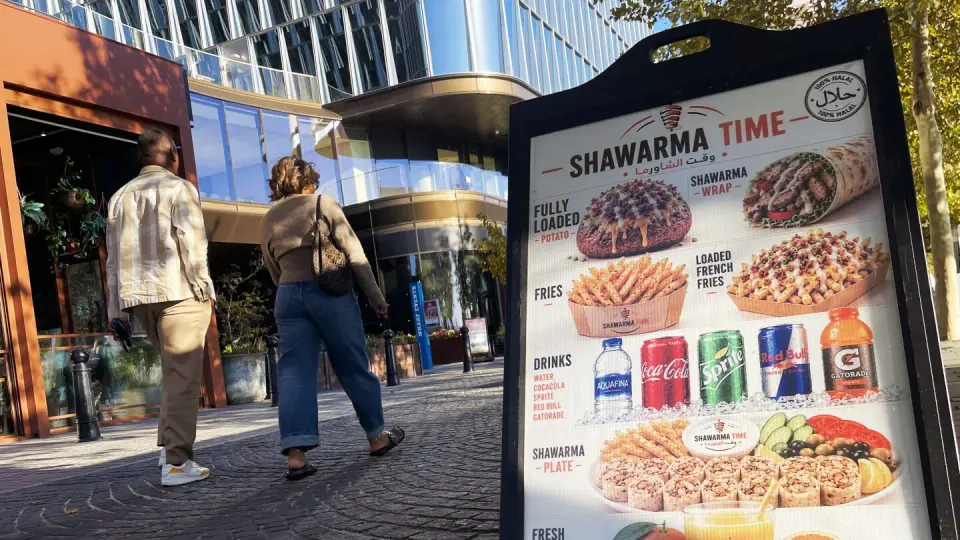
Washington D.C. businesses are facing intense public backlash for using AI-generated images in food advertising, with critics arguing the unrealistic visuals constitute false advertising. While legal experts note that such images are not inherently illegal unless they materially misrepresent the product, local officials are unlikely to ban the practice. Instead, the primary mechanism for accountability remains public shaming, as seen in recent apologies from local establishments like Bread Furst and Grubb’s.
Key points
- D.C. residents are complaining about AI-generated food ads that depict unrealistic textures and misspellings, such as a 'chimny cake' sign at The Wharf.
- Legal expert Libby O’Neill states that AI images are only problematic if they grossly misrepresent product quality or quantity, but no specific visual threshold exists.
- D.C. Council member Christina Henderson argues against banning AI food ads, noting that food marketing has always been artificial and that innovation inevitably disrupts jobs.
- Bread Furst, Grubb’s, and Buffalo & Bergen issued public apologies after facing online backlash for using AI-generated promotional content.
- Food photographer Scott Suchman describes the AI images as 'garbage' that do not resemble the actual food sold by these businesses.
Background
This controversy occurs amid a broader national trend where AI is disrupting traditional industries. Recent coverage has highlighted how AI is altering restaurant operations, from automated reservations to AI-written customer complaints, as detailed in reports from New York and San Francisco. Additionally, security concerns have emerged regarding AI-related scams, such as the 'Adception' malware campaign targeting Mac users searching for AI assistants. These developments underscore the growing tension between technological adoption and consumer trust in the hospitality and advertising sectors.
How outlets are covering it
The Washington Sun focuses on the ethical and legal implications of AI-generated food imagery in D.C., emphasizing public shame as the primary deterrent. In contrast, Grub Street and SFist highlight how AI is changing customer behavior, such as using chatbots to write complaints or book reservations, which creates friction between restaurants and patrons. While the D.C. story centers on the visual deception of advertising, the New York and San Francisco reports focus on the operational and interpersonal disruptions caused by AI tools. The TelegraphHerald source is an error page and provides no relevant information.
Why it matters
The rise of AI-generated advertising challenges traditional consumer protection standards and the livelihoods of creative professionals like food photographers. As businesses seek cost-effective marketing solutions, the lack of clear legal boundaries for AI imagery leaves consumers to rely on public pressure to hold companies accountable. This dynamic could reshape how small businesses approach marketing and how regulators address emerging technologies in the food industry.
What to watch
The D.C. Council is not expected to pass legislation banning AI-generated food ads, but may consider bills to protect jobs in creative fields. Businesses are likely to continue using AI for marketing due to its low cost, but may face increased scrutiny and public backlash. Legal experts suggest that future disputes will hinge on whether AI images materially misrepresent the product, potentially leading to more false advertising complaints.
- The Only Thing Stopping D.C. Restaurants From Using AI Ads? Shame. NOTUS
- Why Are People Acting So Weird in Restaurants? Grub Street
- FOOD-AI-RESTAURANT-SIGNAGE-FILEPIC-3-TB TelegraphHerald.com
- AI Is Quickly Driving Restaurant Managers Bonkers, On Multiple Fronts SFist
- B.C. businesses push back against 'AI slop' with pen-and-paper ads CBC
Want the full story? Read the original reporting
Read on NOTUS