BGR argues that purchasing 4K Blu-rays is a superior alternative to adding another streaming subscription due to higher bitrates, permanent ownership, ad-free viewing, fixed costs, and independence from internet connectivity.
Governor Gavin Newsom signed three energy bills on September 30, legalizing small plug-in solar systems for Californians who cannot install rooftop panels. The legislation allows devices up to 1,200 watts to connect directly to household outlets without utility approval, while new rules aim to integrate home batteries and electric vehicles into the grid to reduce costs and improve reliability.
Starting Oct. 1, 2026, new laws in the D.C. region ban dynamic grocery pricing in Maryland, enforce stricter vehicle registration rules, and reduce paid family leave in Washington, D.C. Virginia expands automatic sealing of misdemeanor records, while Maryland increases penalties for out-of-state license plates.
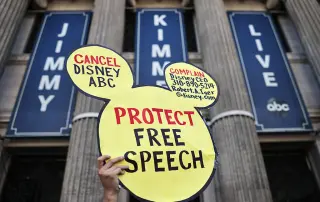
A recent attempt to boycott Disney over its removal of Jimmy Kimmel Live! highlighted how media consolidation makes consumer resistance difficult. The company’s vast portfolio, including Hulu, ESPN, and various film franchises, means canceling one service rarely eliminates its presence. While Disney settled a lawsuit by acquiring Fubo, broader industry mergers, such as the planned union of Warner Bros. Discovery and Paramount, threaten to further reduce consumer choice and increase costs.
The iPhone 18 Pro, launched on September 18, 2026, is facing two distinct quality issues. First, owners of Burgundy and Black models report permanent discoloration around the rear cameras, leading to refund requests. Second, users and reviewers note significant lens flare and green ghosting in photos, particularly when using the new variable aperture at f/1.48. Apple has not yet acknowledged the color defect or issued a fix for the camera issues.
Two opposing complaints surfaced on social media regarding United Airlines' policies on moving to empty economy seats. One passenger criticized the airline for blocking access to vacant rows, while another complained that crew allowed others to move into premium seats she had paid for. Analysts note that while weight and balance rules exist, the primary driver is revenue protection for paid upgrades, though enforcement remains inconsistent.
A Guardian investigation reveals that major US convenience store chains, including 7-Eleven and Circle K, frequently charge customers higher prices at the pump and register than those advertised. This practice adds to the financial strain on consumers facing soaring living costs.
Apple has agreed to pay $250 million to settle a class-action lawsuit alleging it falsely advertised the availability of advanced AI features, specifically the revamped Siri, for the iPhone 15 Pro and iPhone 16 series. Eligible U.S. owners who purchased these devices between June 10, 2024, and March 29, 2025, can claim a share of the fund. Payouts range from $25 to $95 per device, depending on the total number of claims filed. The deadline to submit a claim or opt out is December 21, 2026, with a final court hearing scheduled for February 24, 2027.
A Consumer Rights group has compiled 30+ instances where Sony publicly says players own digital games, contrasting with recent claims that digital purchases are licenses; a California class-action lawsuit argues the PlayStation Store misleads buyers about ownership, while Sony maintains disclosures and license terms are lawful, citing examples including Marvel’s Wolverine FAQ.
The article discusses flight disruptions and compensation amid post-9/11 air-traffic chaos, noting that disruptions cost travelers over £1,000 and left some passengers sleeping on airport floors, while raising questions about what rights passengers have to compensation.
A four-hour UK air-traffic control shutdown caused widespread flight cancellations. While airlines refunded some components (e.g., BA refunded the flight and car hire), many costs booked separately—such as hotels and excursions—were non-refundable, leaving passengers like Catie and Phil Allen out around £1,300. Compensation rules typically apply when airlines are at fault, but ATC issues are outside airline control, so little extra compensation is due. Insurance and credit-card claims vary by policy, and care/assistance rules apply during delays. An independent CAA review is planned amid broader industry lessons as flights gradually resume.
Reddit user alleges Best Buy repaired a Lenovo Legion 5 by removing the second 32GB RAM module, cutting total memory from 64GB to 32GB; the shop allegedly documented that the laptop only supports up to 32GB and that the removed RAM was returned with the device (worth over $600). The owner says the laptop was listed/sold with 64GB and hadn’t been modified by them. The case has sparked discussions about escalation with Best Buy, with rumors about the “Upgraded” listing and potential third-party installation. The laptop runs an i9-14900HX, RTX 5070, 2TB SSD, and Windows 11 Pro.
Amazon updated its terms to require binding arbitration for disputes and to prohibit class actions, touting a faster, more efficient resolution. Small-claims remain possible in limited cases, but a judge could still allow a class action in some circumstances; the move follows past privacy concerns and other lawsuits, and its enforceability will depend on court decisions.
BBC reports on how people fall for paid subscriptions after free trials and shares practical tips to avoid charges, such as setting reminders for trial deadlines, reading terms and conditions, not assuming trials auto-end, and obtaining cancellation confirmations—illustrated by cases including an £89.99 refund via Apple and ongoing efforts to crackdown on subscription traps.
Europe’s AI Act takes effect Aug. 2, requiring providers to disclose when users interact with AI or view AI-generated content across marketing, customer hotlines, scheduling, and editing. A transitional period allows machine-readable labeling for synthetic media; penalties reach up to €15 million or 3% of worldwide turnover. Critics warn of “disclosure fatigue” and uneven enforcement across member states, while officials say the rules aim to curb deception and foster trustworthy AI across Europe.