
GM Pays $220M to Settle Multistate Suit Over Secret Sale of Driver Data
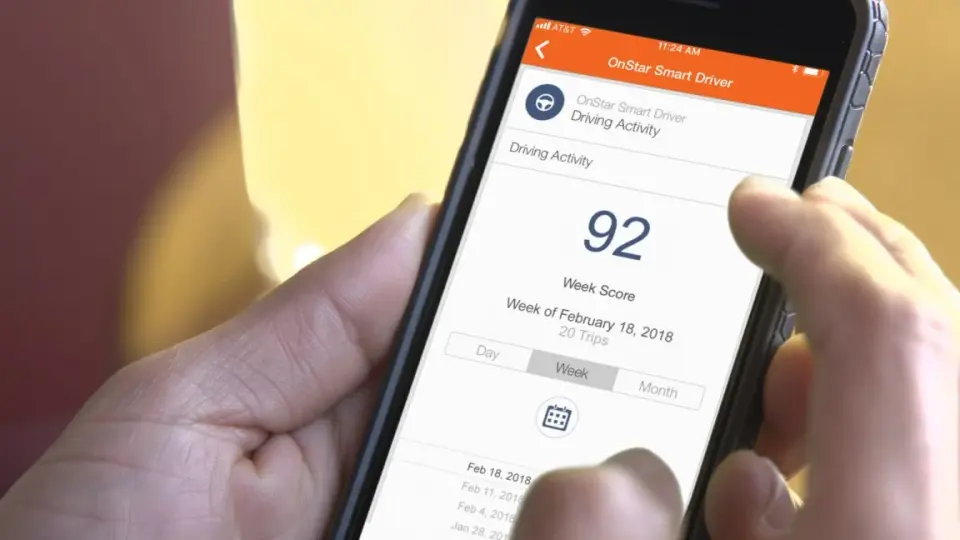
General Motors has agreed to pay $220 million to settle a multistate lawsuit alleging it sold private driving data from its Smart Driver program to insurance companies without consent. The settlement, announced on October 29, 2026, resolves claims from 36 states and the District of Columbia. GM will also implement stricter data collection limits and consent requirements. The program, which tracked driving habits from 2016 to 2024, was discontinued in 2024 after media exposure revealed that insurers used the data to adjust premiums.
Key points
- General Motors will pay $220 million to settle allegations that it sold driver data from its Smart Driver program to brokers and insurers without consent.
- The settlement involves 36 states and the District of Columbia, with Michigan receiving $7.2 million, Wisconsin over $5 million, and Vermont $4.5 million.
- GM’s OnStar app inaccurately told 370,000 drivers they were not enrolled in the tracking program, despite their data being collected and sold.
- The Smart Driver program, which tracked habits like seat belt use and speed, was discontinued in 2024 after New York Times reporting revealed insurers used the data to raise premiums.
- The settlement requires GM to limit data collection, protect existing data, and obtain explicit driver consent before collecting or disclosing location and driving information.
Background
This settlement follows a 2024 New York Times investigation that exposed GM’s data-sharing practices, leading to the program’s discontinuation. It also follows a January 2026 Federal Trade Commission order restricting GM’s data-sharing practices and an ongoing class-action lawsuit by customers. The multistate coalition, led by attorneys general from states including Vermont, Michigan, and Wisconsin, initiated the investigation after reading the 2024 reporting. GM had previously faced scrutiny over data privacy, but this is the first major multistate settlement specifically addressing the Smart Driver program.
How outlets are covering it
Ars Technica reported the settlement amount but provided no details on the allegations or state payouts. The Milwaukee Journal Sentinel emphasized Wisconsin’s $5 million share and the deceptive enrollment practices, noting that drivers were often signed up at dealerships without consent. FOX 2 Detroit highlighted Michigan’s $7.2 million payout and the timeline of the program (2016-2024), noting that GM’s OnStar app falsely told 370,000 drivers they were not enrolled. VTDigger focused on Vermont’s $4.5 million payout and the state’s role in initiating the investigation, noting that GM did not admit to breaking any law. All sources agree on the $220 million total and the program’s discontinuation in 2024, but differ in emphasis: some focus on the financial payouts, others on the deceptive practices, and others on the legal implications.
Why it matters
The settlement signals a growing regulatory and legal focus on automotive data privacy, particularly as connected vehicles collect vast amounts of personal information. It may prompt other automakers to review their data-sharing practices and consent mechanisms. The case also highlights the potential for consumer harm when data is sold without transparency, as insurers used the data to adjust premiums, directly affecting drivers’ costs. The multistate coalition’s success may encourage other states to pursue similar actions against tech and automotive companies.
What to watch
GM must comply with the settlement’s requirements, including limiting data collection and obtaining explicit consent from drivers. The company has already discontinued the Smart Driver program and stated it has strengthened its privacy practices. The ongoing class-action lawsuit by customers may proceed independently of the multistate settlement. States may use the settlement funds for consumer protection initiatives or return them to their general funds, as in Vermont’s case. The FTC may continue to monitor GM’s compliance with its January 2026 order.
- GM to pay $220 million after selling customer Smart Driver data Ars Technica
- Wisconsin to receive over $5 million from GM settlement over driver data Milwaukee Journal Sentinel
- GM to pay $220 million to settle allegations it violated drivers' privacy Reuters
- GM reaches $220M settlement with Michigan, 35 other states FOX 2 Detroit
- Vermont to receive $4.5M settlement from General Motors following data privacy investigation VTDigger
Want the full story? Read the original reporting
Read on Ars Technica