
Judge Rejects Defense in DRAM Antitrust Suit Against Samsung, Micron, and SK hynix
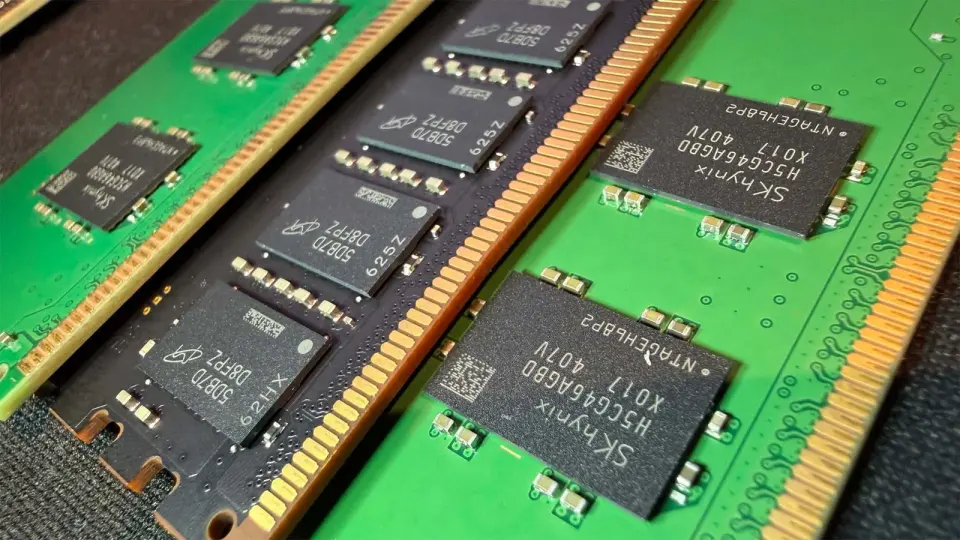
U.S. District Judge Noël Wise denied a motion to dismiss a class-action antitrust lawsuit against Samsung, Micron, and SK hynix. The plaintiffs allege the three firms, which control over 91% of global DRAM revenue, colluded to restrict supply and artificially inflate prices by shifting production to high-bandwidth memory (HBM). The court found the allegations of coordinated conduct plausible under the Sherman Act, allowing the case to proceed to discovery. The defendants must file formal answers by December 7, 2026, with a case management conference scheduled for January 12, 2027.
Key points
- Judge Noël Wise of the Northern District of California denied the joint motion to dismiss filed by Samsung, Micron, and SK hynix on November 14, 2026.
- The lawsuit, filed in June 2026 by 17 consumers and small businesses, alleges the three companies violated Section 1 of the Sherman Act through an illegal agreement to limit DRAM supply.
- Plaintiffs claim the defendants coordinated production cuts starting in late 2022 and shifted wafer capacity toward HBM, causing conventional DRAM prices to rise by 697% over 18 months.
- The court noted specific coordinated actions, including the refusal of long-term contracts by Samsung and SK hynix, the winding down of DDR4 production, and Micron’s shutdown of its Crucial consumer brand in December 2025.
- Judge Wise rejected the defense that the companies were merely reacting to market pressures, comparing their alleged conduct to 'hawks flying in formation' rather than independent market behavior.
- The defendants are required to file formal answers by December 7, 2026, and will attend an initial case management conference on January 12, 2027.
Background
This ruling follows a period of significant memory shortages driven by surging AI demand. In October 2026, executives from Micron and Samsung warned that the shortage would persist through 2028, with Micron CEO Sanjay Mehrotra stating that 75% of 2027 output was already sold. The current legal action is the latest in a series of antitrust disputes involving these manufacturers, following a previous price-fixing scandal in the early 2000s. Recent market volatility has also seen shares of Micron and SK hynix drop due to fears of increased competition from Chinese manufacturers like CXMT, even as memory prices remain elevated.
How outlets are covering it
All three sources report the same core facts regarding Judge Wise’s ruling on November 14, 2026. Wccftech and Tom’s Hardware emphasize the judge’s 'hawks flying in formation' metaphor as a key indicator of the court’s skepticism toward the defense. TechPowerUp highlights the historical context, noting that the defendants argued the case was a rerun of a dismissed 2018 lawsuit, a claim Judge Wise rejected due to newer evidence such as the shutdown of Micron’s Crucial brand. While Wccftech suggests the ruling could lead to supply stabilization, TechPowerUp and Tom’s Hardware caution that this is only a pleading-stage ruling and does not constitute a finding of guilt. Commenters on TechPowerUp and Tom’s Hardware forums debate whether the price surge is due to collusion or genuine supply-demand imbalances driven by AI data center demand, with some arguing that the companies are simply following profit margins rather than conspiring.
Why it matters
The denial of the motion to dismiss allows the antitrust lawsuit to proceed to discovery, potentially leading to significant fines or mandatory supply adjustments if collusion is proven. For consumers and small businesses, this could result in lower DRAM prices if the court orders the manufacturers to expand conventional memory production. For the industry, the case tests the boundaries of antitrust law in a concentrated market where AI demand is driving production shifts. A successful plaintiff case could set a precedent for regulating coordinated behavior in semiconductor supply chains, potentially impacting global memory pricing and availability for years to come.
What to watch
Samsung, Micron, and SK hynix must file formal answers to the complaint by December 7, 2026. An initial case management conference is scheduled for January 12, 2027, to determine administrative matters and the timeline for the case. The outcome of the discovery phase will determine whether the case proceeds to trial or is settled. Industry observers will watch for any changes in DRAM production or pricing as the legal process unfolds, particularly given the ongoing shortage and high prices reported in late 2026.
- Federal Judge Rejects Memory Makers’ Defense To Advance Class-Action Antitrust Lawsuit; Samsung, Micron & SK hynix Must Face The Music Over Artificial DRAM Shortage Wccftech
- Samsung, SK hynix, and Micron Fail to Get DRAM Antitrust Suit Dismissed TechPowerUp
- Judge denies motion to dismiss DRAM price-fixing lawsuit against Micron, Samsung, and SK hynix, finds evidence of DRAM collusion plausible after 500% price surge — says chipmakers acted like ‘hawks flying in formation Tom's Hardware
- MTD Denied. A Concerning Outcome for Hynix and Samsung. What Dynamics Could Change From Here? Smartkarma
- SK hynix, Samsung, Micron say AI boom, not conspiracy, affected DRAM market MLex
Want the full story? Read the original reporting
Read on Wccftech