
Nvidia Reinstates Jensen Huang After White House Pressure, Igniting Market Rally and Congressional Backlash
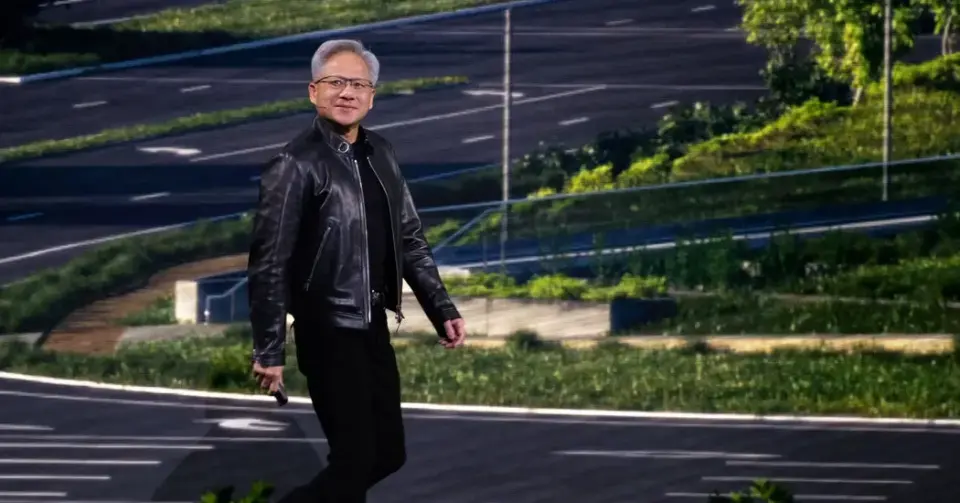
Nvidia’s board unanimously reinstated founder Jensen Huang as CEO on November 23, 2026, reversing his resignation from two weeks prior. The decision followed direct intervention by President Trump, who directed Vice President JD Vance to assure the board that Huang posed no national security risk. Nvidia shares surged approximately 30% at the open, recovering roughly $1.5 trillion in market value lost during the scandal. While the White House declared Huang 'exonerated,' congressional leaders from both parties demanded testimony and investigations into potential chip smuggling and espionage ties.
Key points
- Nvidia’s board unanimously voted to reinstate Jensen Huang as CEO and president, citing assurances from senior U.S. government officials that he posed no national security threat.
- President Trump directed Vice President JD Vance to work with the board over the weekend, overriding earlier statements from Treasury Secretary Scott Bessent that the company should seek an external leader.
- Nvidia stock jumped approximately 30% at the market open, adding roughly $1.5 trillion to its market value and triggering a broad rally in tech and AI-related sectors.
- Huang resigned on November 12 following reports of extramarital relationships, including one with Alice Huang, a woman U.S. intelligence identified as a Chinese asset linked to potential chip smuggling.
- Congressional leaders, including Senators Chuck Schumer and John Cornyn, and Representative Jim Himes, demanded testimony and investigations into the reinstatement and potential export control violations.
Background
In early November 2026, Jensen Huang resigned as CEO of Nvidia after reports emerged of extramarital relationships, including one with Alice Huang, whom U.S. intelligence identified as a Chinese asset. The resignation triggered a significant drop in Nvidia’s stock price and broader tech market volatility. Prior to the reinstatement, Treasury Secretary Scott Bessent had publicly advocated for an external hire to replace Huang, emphasizing the need for a 'dramatic shake-up' due to compliance concerns. The current reinstatement marks a sharp reversal of that stance, occurring just days after the board had unanimously accepted Huang’s resignation.
How outlets are covering it
The New York Times and Yahoo Finance emphasized the direct involvement of President Trump and Vice President JD Vance in pressuring the board, noting that Trump declared Huang 'exonerated' and a 'national treasure.' The Guardian criticized the board’s decision as a 'humiliating U-turn' driven by political pressure, arguing that the directors forfeited their independence and should resign out of embarrassment. Axios highlighted the broader implications for corporate governance and succession planning in the tech sector. Congressional perspectives were sharply divided: Democrats, led by Chuck Schumer, vowed to investigate potential 'wrongdoing' and 'selling out of national security,' while some Republicans, such as Senator John Cornyn and former Speaker Newt Gingrich, questioned the basis for the board’s conclusion that Huang posed no risk. Elon Musk and other Silicon Valley figures, including Sam Altman, publicly supported the reinstatement, comparing it to previous high-profile CEO returns.
Why it matters
The reinstatement of Jensen Huang signals a significant shift in the relationship between the U.S. government and major tech companies, with the White House actively intervening in corporate leadership decisions to protect market stability and AI industry growth. The move raises serious questions about the independence of corporate boards and the potential for political influence in high-stakes business decisions. Furthermore, the ongoing congressional investigations and the unresolved issues surrounding chip smuggling and espionage ties could lead to long-term regulatory scrutiny and legal challenges for Nvidia and its leadership.
What to watch
Jensen Huang is scheduled to testify before three congressional committees on December 1, with additional hearings planned for December 3. Democrats have signaled they will continue investigations when they take control of Congress next year. The board has established a new compliance committee to oversee trade compliance and national security risks, but the independent investigation into Huang’s alleged ties to a suspected Chinese intelligence asset will continue. Market analysts expect ongoing volatility in tech and AI-related stocks as the situation develops.
- Live Updates: Nvidia Reinstates Jensen Huang as CEO as Trump Praises the Decision The New York Times
- Nvidia live updates: Jensen Huang reinstated as CEO; Trump says he 'convinced' board Yahoo Finance
- Nvidia’s humiliated board should resign out of embarrassment | Nils Pratley The Guardian
- Wall Street Surges After Jensen Huang’s Return to Nvidia The New York Times
- Nvidia's stunning CEO reinstatement highlights the need for succession plans Axios
Want the full story? Read the original reporting
Read on The New York Times