
Data Analysis Suggests American Airlines May Be Losing $1 Billion Annually at Chicago O'Hare
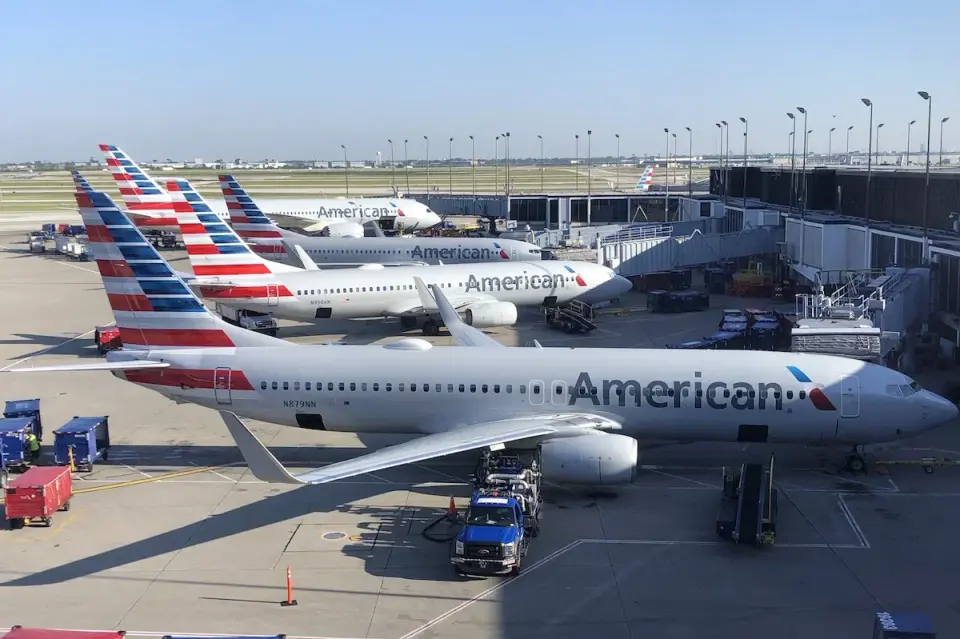
A detailed financial analysis suggests American Airlines may be losing approximately $1 billion annually at its Chicago O'Hare hub, a figure echoed by United CEO Scott Kirby. The analysis compares domestic yields and costs, showing United holds a significant pricing and efficiency advantage. However, critics note the data excludes loyalty revenue and ancillary fees, which could offset these losses, making the exact financial impact difficult to verify without full profit-and-loss disclosures.
Key points
- United CEO Scott Kirby has publicly claimed American Airlines is losing between $800 million and $1.1 billion per year at Chicago O'Hare, predicting American may eventually exit the hub.
- An analysis by X user 'bentboolean' using 2025 Q2 federal data indicates United's domestic revenue per air seat mile at O'Hare is 10.5% higher than American's, with United at 26.6 cents and American at 24.0 cents.
- United also maintains a 4.6% cost advantage per air seat mile, largely due to a higher percentage of mainline aircraft usage (86% vs. 76% for American), resulting in a 31% higher per-seat margin for United.
- If United is assumed to be at breakeven, the analysis estimates American's annual losses at O'Hare could reach $1 billion, though this excludes ancillary fees, loyalty revenue, and cargo, which are significant profit drivers for airlines.
- American's CFO maintains that every hub contributes positively to the company's bottom line, but no airline publicly discloses hub-level profit and loss statements, making the exact figures unfalsifiable.
Background
Chicago O'Hare is currently the most competitive airport in the US, with both American and United operating major hubs. Recent incidents, including FAA investigations into tire failures on both carriers' aircraft at O'Hare in August 2026, have highlighted operational challenges, but the financial rivalry remains the central issue. United has gained significant market share in recent years, while American is attempting to recapture lost ground. This financial dispute occurs against a backdrop of intense competition for high-net-worth passengers and corporate clients in the Midwest.
Why it matters
The financial health of major airline hubs impacts regional economies, job stability, and consumer travel options. If American Airlines were to withdraw from O'Hare, it could reduce competition, potentially leading to higher fares and fewer flight options for Midwest passengers. The dispute also highlights the growing importance of ancillary revenue and loyalty programs in airline profitability, challenging traditional metrics of hub performance.
What to watch
American Airlines is likely to continue efforts to improve market share and efficiency at O'Hare, while United may leverage its financial advantage to further expand its dominance. The lack of public hub-level financial data means the exact impact of these losses remains uncertain, but the rivalry is expected to intensify as both carriers compete for Midwest passengers and corporate contracts.
Want the full story? Read the original reporting
Read on One Mile at a Time