
Singapore seizes Villa Vie Odyssey after fuel crisis strands 200 passengers in Cambodia
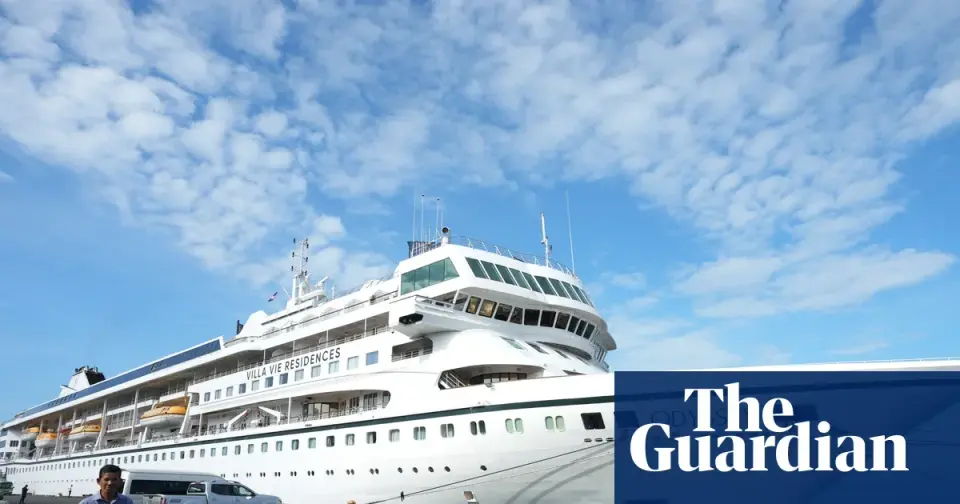
Singapore authorities have impounded the MV Odyssey, a US-operated cruise ship offering permanent sea residencies, following a fuel crisis that stranded 200 passengers in Cambodia. The vessel, operated by Villa Vie Residences, was seized under a court order after failing to pay approximately US$500,000 in fuel costs. While the crew remains on board, passengers were offloaded in October after the operator cited unsustainable fuel prices linked to the Iran war. The ship, which promised multi-year voyages for up to $440,000, faced financial distress from its 2024 launch, with many investors now facing potential total loss.
Key points
- Singapore’s Maritime and Port Authority placed the MV Odyssey under arrest on Sunday, citing a court order, though no criminal charges were filed.
- The ship’s operator, Villa Vie Residences, suspended operations on 27 October, leaving around 200 passengers in Sihanoukville, Cambodia, due to fuel costs rising from $1,800 to $8,000 per cabin monthly.
- The vessel was originally launched from Belfast in October 2024 for a 3.5-year, 150-country voyage, but faced delays and financial issues early on.
- Investors paid between $120,000 and $440,000 for permanent cabins, with some using retirement savings; few expect to recover funds as the company faces creditor control.
- The ship is now anchored off Singapore’s east coast, with its main lender taking control and potential auction proceedings underway.
Background
The MV Odyssey, operated by Villa Vie Residences, launched in October 2024 with a four-month delay, promising a 'permanent' life at sea for retirees and investors. Earlier coverage noted that a lender seized control of the ship in November 2026 after residents were forced to vacate the vessel in Cambodia due to financial distress and failed buyback attempts. This incident follows a broader pattern of financial instability in the luxury cruise sector, where rising fuel costs and operational challenges have led to stranded passengers and potential asset liquidation.
How outlets are covering it
The Guardian emphasizes the commercial nature of the seizure, noting that Singapore is a global shipping hub where ships facing disputes often relocate. It highlights the $500,000 fuel debt and the abrupt disembarkation of passengers. The BBC focuses on the sudden end of the voyage and the welfare of the crew, noting that the ship’s operator cited 'extraordinary increases in fuel costs' linked to the Iran war. It also mentions that the ship had previously sailed into Singapore in August with financial warnings. The New York Times highlights the personal financial losses of investors, such as Benjamin Schatz, who invested over $500,000, and notes that the ship may be auctioned off. All sources agree on the core facts of the seizure and the fuel crisis, but differ in emphasis: The Guardian and BBC focus on the operational and legal aspects, while The New York Times focuses on the investor impact.
Why it matters
This case highlights the risks of unconventional travel and investment models, particularly in the luxury cruise sector. It underscores the vulnerability of such ventures to external shocks like fuel price spikes and geopolitical conflicts. The seizure in Singapore, a major maritime hub, also illustrates the legal and financial mechanisms used to resolve commercial disputes in the shipping industry. For investors and travelers, it serves as a cautionary tale about the financial stability of niche operators and the potential for total loss in high-risk ventures.
What to watch
The MV Odyssey is expected to be auctioned off or sold to creditors, as the main lender has taken control. Passengers in Cambodia are assessing their options, with some staying to negotiate temporary living arrangements. The company’s founder, Mikael Petterson, has stated that the ship is now being operated by creditors, and there are no passengers on board. The outcome of the auction will determine the fate of the vessel and the potential recovery of funds for investors.
- Singapore seizes US-operated cruise ship that offered ‘permanent’ life at sea The Guardian
- ‘Forever’ Cruise Ship Seized In Singapore—And Reportedly Owes $500,000 In Unpaid Fuel Debt As Prices Soar Forbes
- Cruise ship that stranded passengers in Cambodia kept in Singapore under court order Reuters
- 'Cruise for life' ship seized in Singapore BBC
- They Spent Millions to Keep Their Dream Cruise Afloat. It Died Anyway. The New York Times
Want the full story? Read the original reporting
Read on The Guardian