
DoorDash Pays $131.5M to Settle NYC Worker Pay Disputes
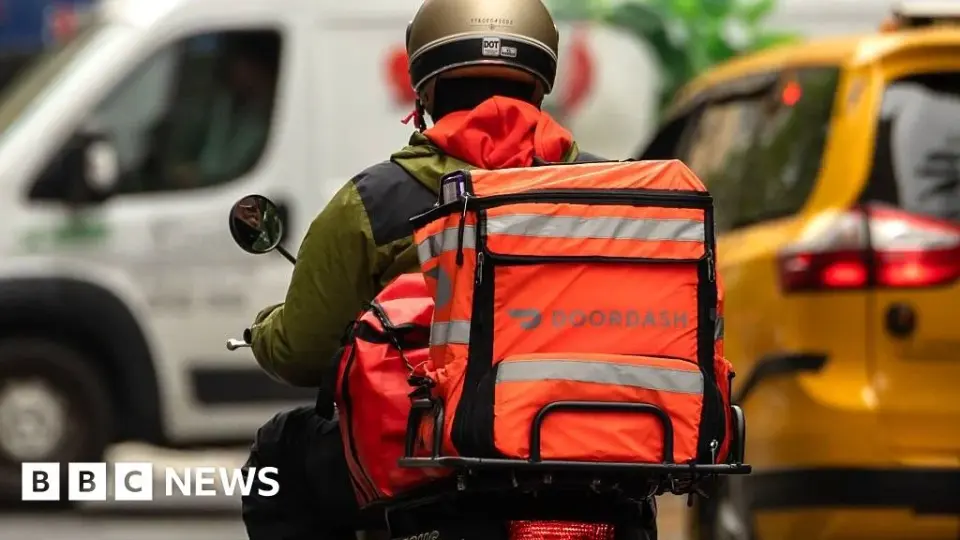
DoorDash has agreed to a $131.5 million settlement with New York City to resolve allegations of underpaying and late-paying delivery workers. The deal, announced on September 22, 2026, includes $115 million in direct relief for approximately 264,000 workers and $16.7 million in civil penalties. The company admitted to 'screwing up' due to technical bugs and complex delivery scenarios, while the city cited 'design tricks' that deprived workers of over $550 million in tips. The settlement includes a three-year monitoring program and requires DoorDash to adopt the city's method for calculating on-call pay.
Key points
- The $131.5 million settlement includes $115 million for worker relief and $16.7 million in fines to the city.
- Approximately 264,000 workers will receive payments, with a median payout of about $48 per worker.
- DoorDash admitted to errors caused by technical bugs, cross-boundary deliveries, and incomplete banking information.
- The city alleged that DoorDash and Uber Eats used 'design tricks' to deprive workers of over $550 million in tips.
- The settlement includes a three-year monitoring program requiring detailed pay data and ongoing reporting.
Background
This settlement follows a 2023 minimum-pay rule for app-based delivery workers in New York City, which set a minimum rate of $17.96 per hour, increasing to $19.96 by 2025. The city's Department of Consumer and Worker Protection (DCWP) has been actively enforcing these rules, with Mayor Zohran Mamdani expanding enforcement capabilities since taking office in January 2026. Prior to this settlement, the city had accused DoorDash and Uber Eats of engineering 'design tricks' to deprive workers of tips, a claim that led to this record-breaking settlement.
How outlets are covering it
BBC and DoorDash emphasize that the errors were unintentional, citing technical bugs and complex delivery scenarios as the primary causes. DoorDash stated, 'Simply put, we screwed up,' and pledged to fix the issues. In contrast, NBC News and Al Jazeera highlight the city's perspective, which accused DoorDash and Uber Eats of using 'design tricks' to deprive workers of over $550 million in tips. Al Jazeera notes that the settlement is the largest for delivery workers in any US city, while NBC News points out that Uber did not immediately respond to requests for comment. The city's DCWP spokesperson, Samuel Levine, emphasized the importance of investing in enforcement to 'put money back in people's pockets.'
Why it matters
The settlement sets a precedent for gig economy labor rights and pay transparency in the US. It highlights the ongoing scrutiny of delivery platforms and their pay practices, particularly in cities like New York and Seattle. The three-year monitoring program and requirement for detailed pay data could lead to more consistent enforcement of minimum-pay rules and greater accountability for gig companies. Additionally, the settlement underscores the importance of timely and full payment for workers, with the city requiring 200% of the original owed amount for underpaid workers.
What to watch
DoorDash will notify the affected workers in the coming weeks and pay them a minimum of $10, even if they were underpaid by less than that. The company has fixed the technical issues that caused the errors and strengthened its compliance program. The city will monitor DoorDash's pay practices for three years, requiring detailed data and ongoing reporting. Workers will have the ability to crowdsource data to scrutinize the app's pay algorithms, ensuring continued transparency and accountability.
- 'We screwed up': Doordash admits underpaying New York workers BBC
- DoorDash reaches $131.5M settlement with New York City over delivery workers’ pay NBC News
- NYC Mayor Mamdani reaches record DoorDash settlement for underpaid workers Al Jazeera
- Making It Right: Our Settlement with the City of New York DoorDash
- Mamdani blasts DoorDash CEO's 'greedy algorithm,' NY slaps company with $131 million fine Fox News
Want the full story? Read the original reporting
Read on BBC