
Shareholders sue Intel over alleged PC slump concealment after 28.6% stock plunge
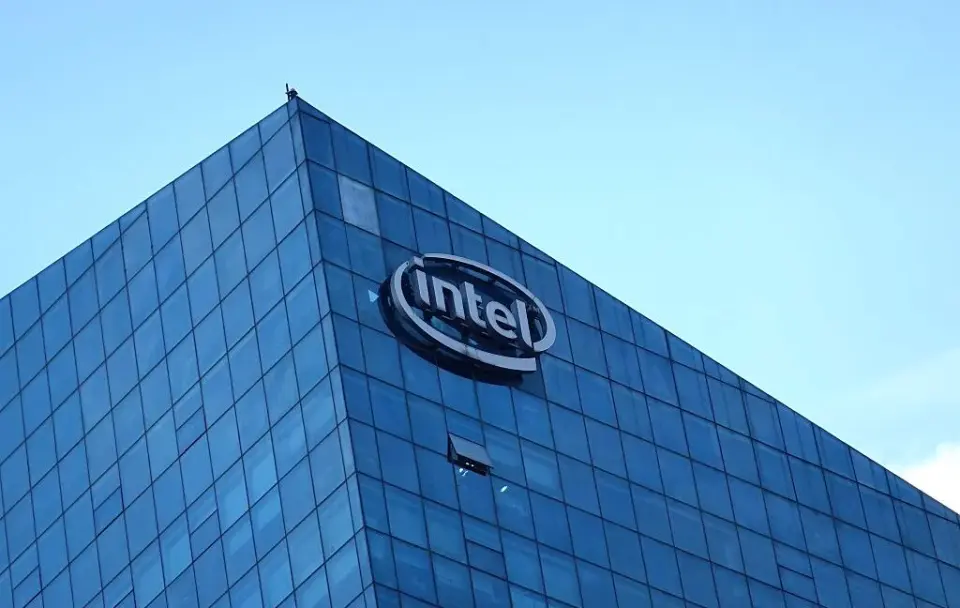
Intel faces a class-action lawsuit alleging it misled investors about a severe PC sales slump, contributing to a 28.6% single-day stock drop. The suit targets CEO Lip-Bu Tan and CFO David Zinsner for failing to disclose supply constraints and the offsetting impact of the AI boom.
Key points
- A class-action lawsuit filed in San Jose federal court accuses Intel of making materially false statements between July 23 and October 29, 2026.
- Plaintiffs allege Intel failed to disclose that PC sales slumps more than offset gains from the AI boom, leading to a 28.6% stock drop on October 30.
- The complaint names Intel, CEO Lip-Bu Tan, and CFO David Zinsner as defendants, seeking unspecified compensatory damages.
- Intel’s Q3 revenue for its Client Computing and Physical AI Group declined 5% year-over-year, with total revenue reported at $16.51 billion.
- Intel’s shares fell an additional 6.55% on November 16, 2026, amid the lawsuit and a broader AI chip selloff.
Background
This litigation follows Intel’s October 29 earnings report, which revealed a 9% drop in quarterly earnings to $8.1 billion. The suit is part of a broader period of volatility in the semiconductor sector, including recent legal actions against Nvidia and Groq, and follows a 51% year-to-date gain in Intel’s stock prior to the recent decline.
How outlets are covering it
Ars Technica and BBC report the core allegations that Intel concealed the severity of the PC slump and substrate supply constraints. BBC emphasizes the erasure of tens of billions in market value, while Ars Technica details the specific omissions regarding data center demand. Yahoo Finance contextualizes the lawsuit within a wider AI chip selloff, noting Intel’s stock fell 6.55% on November 16, and highlights that the claims remain allegations. All sources agree the lawsuit targets Tan and Zinsner for misleading statements, but only Yahoo Finance notes the broader market impact on competitors like TSMC and Broadcom.
Why it matters
The lawsuit challenges Intel’s transparency regarding the balance between its traditional PC business and emerging AI infrastructure. A successful class action could impact executive liability and investor confidence in Intel’s ability to navigate the transition from PC dominance to AI-driven growth.
What to watch
Intel has not publicly commented on the lawsuit. The next key event is Intel’s Q4 2026 revenue guidance of $15 billion to $16 billion, with the PC slowdown expected to persist through at least the first half of 2027. The outcome of the class-action certification will determine the scope of potential damages.
- Shareholders sue Intel, its CEO and CFO after stock drops 28.6 percent in one day Ars Technica
- Intel sued by shareholders following 29% stock plunge Reuters
- Intel sued by investors after PC sales slump hits share price BBC
- INTW 2X Intel ETF Tumbles 13% as Intel Drops Amid Shareholder Lawsuit and AI Chip Selloff; Taiwan Semiconductor Falls 5% Yahoo Finance
- Intel Sued by Investors After 29% Stock Plunge WSJ
Want the full story? Read the original reporting
Read on Ars Technica