
Street Performers Face Tax and Legal Labyrinth in Times Square
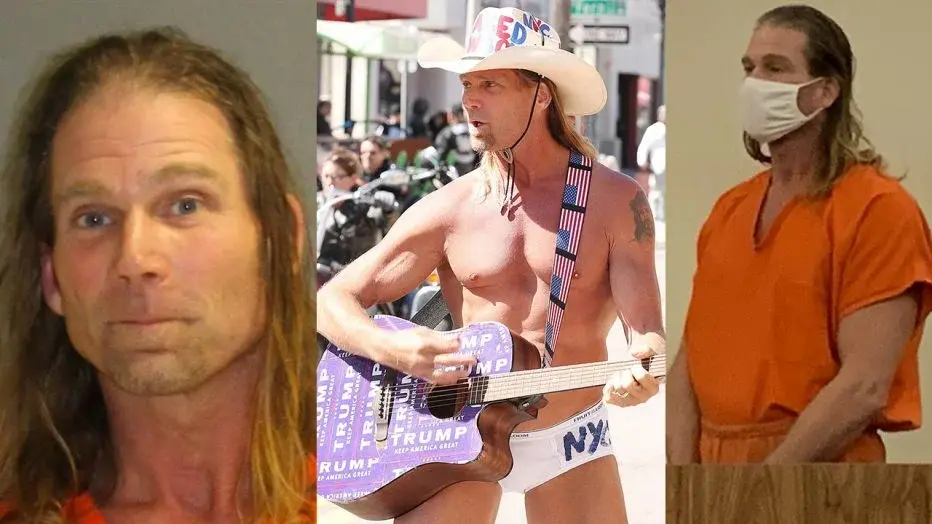
Times Square street performers, exemplified by the Naked Cowboy, generate significant taxable income but face complex challenges regarding tax reporting, immigration status, and inconsistent local enforcement. While federal laws allow deductions for tips, the lack of verifiable records for cash earnings creates transparency issues. Additionally, performers may be legally required to pay taxes on income from work they are not authorized to perform, highlighting a disconnect between federal tax obligations and local panhandling ordinances.
Key points
- The Naked Cowboy earns approximately $150,000 annually, with peak years reaching $250,000, through street tips, merchandise, and Cameo videos.
- The IRS requires street performers to report cash and electronic earnings on Schedule C, but the absence of traditional receipts makes verification difficult.
- Federal legislation from 2025 to 2028 allows qualifying performers to deduct up to $25,000 in tips from taxable income, though self-employment taxes still apply.
- Undocumented performers may be legally obligated to pay federal taxes using an Individual Taxpayer Identification Number, even if they lack work authorization.
- In 2021, the Naked Cowboy was arrested in Florida for panhandling, leading to a $90,000 settlement and a later federal ruling that the local ordinance was unconstitutional.
- New York City restricts performers to designated zones in Times Square to prevent congestion, creating a contrast with other jurisdictions where similar activities are criminalized.
Background
This issue follows broader discussions on the legal and financial boundaries of informal economies, such as the Supreme Court’s upcoming review of disproportionate fines in Jouppi v. Alaska, which questions the proportionality of government enforcement against minor offenses. While that case involves property seizure for a misdemeanor, the busking debate highlights how regulatory frameworks can conflict with the economic realities of independent workers in public spaces.
Why it matters
The story reveals a systemic gap in how governments regulate and tax informal labor. It highlights the tension between federal tax compliance, immigration law, and local public order statutes, which can result in inconsistent enforcement and legal uncertainty for performers. This affects not only individual livelihoods but also the integrity of the public space economy in major urban centers.
What to watch
Regulators may need to develop clearer guidelines for taxing cash-based street performances and harmonizing local panhandling laws with federal tax obligations. Performers may continue to face legal risks in jurisdictions with strict anti-panhandling ordinances, while federal tax policies may evolve to better accommodate the informal economy.
Want the full story? Read the original reporting
Read on Times Square Chronicles