
CHP Cites Tesla Driver for Sleeping at 60 mph in Solano County
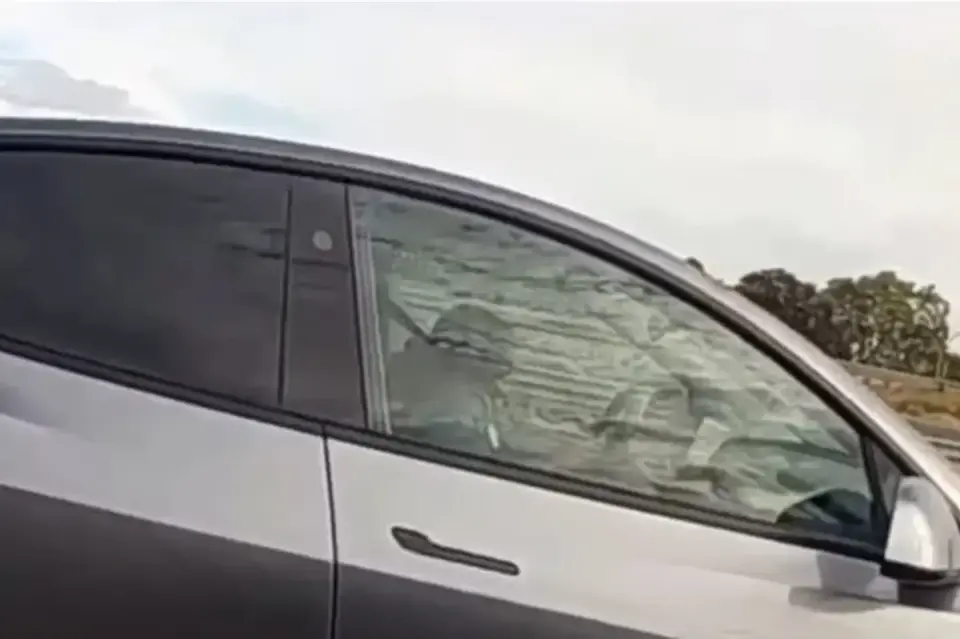
A California Highway Patrol officer stopped a Tesla driver in Solano County who was allegedly asleep behind the wheel while the vehicle traveled at 60 mph with Full Self-Driving engaged. The driver received a citation for unsafe speed and was warned that the system requires active human supervision.
Key points
- A CHP motorcycle officer observed a Tesla driver slumped over the steering wheel while wearing dark sunglasses on a highway in Solano County.
- The vehicle was traveling at 60 mph with Tesla's Full Self-Driving feature active, prompting the officer to pull the car over.
- The driver was issued a citation for unsafe speed and received a warning that driver-assistance systems do not replace the need for an attentive human operator.
- CHP emphasized that Tesla's Full Self-Driving is a Level 2 driver assistance tool, meaning the driver remains legally responsible for controlling the vehicle at all times.
- This incident follows previous cases in California where Tesla drivers were caught sleeping or impaired while using driver-assistance features, including a Cybertruck incident in Marin County and a DUI arrest in Vacaville.
Background
This incident highlights ongoing concerns about driver complacency with advanced driver-assistance systems. In August 2026, a AAA study found that many California drivers regularly exceed speed limits, with 33% admitting they ignore limits because they believe others do so. Additionally, in March 2026, Vacaville police arrested a Tesla driver for DUI after finding them asleep behind the wheel with alcohol and food nearby, while a Cybertruck driver was filmed sleeping on Highway 101 in May 2026. These events underscore the persistent risk of drivers treating Level 2 assistance systems as fully autonomous.
Why it matters
The incident reinforces the legal and safety reality that current driver-assistance technologies, including Tesla's Full Self-Driving, are not autonomous and require constant human supervision. It serves as a public reminder that using these systems does not exempt drivers from responsibility for vehicle control, and that drowsy or distracted driving remains a serious violation of California traffic laws.
What to watch
CHP will likely continue to monitor and publicize incidents involving driver-assistance systems to deter misuse. Drivers in California are expected to remain vigilant and adhere to speed and attention laws, regardless of the technology enabled in their vehicles.
Want the full story? Read the original reporting
Read on New York Post