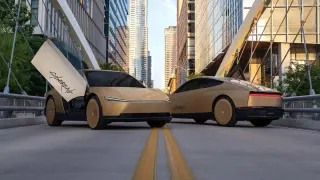
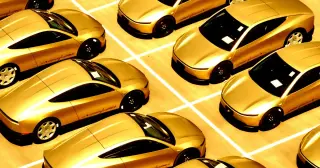
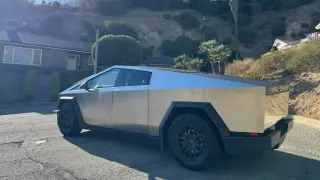
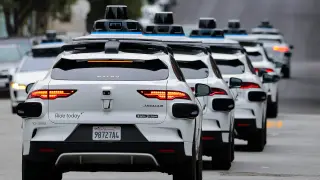
Tesla has extended its Robotaxi operating hours in Austin to 11 p.m., adding 111 Cybercabs to its fleet in the past two weeks. Elon Musk cited difficulty detecting pets at night as the primary barrier to 24/7 service, while critics argue that camera-only systems are insufficient for low-light conditions compared to competitors using lidar and radar.
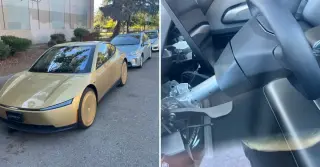
A pre-production Tesla Cybercab in Berkeley reveals a Cybertruck steering wheel bolted to an exposed steering column on a test mule, highlighting Tesla’s ongoing use of a driver-equipped rig for public-road testing even as the production Cybercab is designed to be wheel- and pedal-free for a robotaxi future.
Tesla’s Cybercab robotaxi, pitched as a revenue-sharing fleet, faces skepticism over profitability, rapid depreciation, and Tesla’s control of software and pricing, with regulators watching and experts warning the business model risks more downside than upside.
Tesla reportedly plans a new FSD feature called Banish Mode that would let a car take you to a destination, then drive itself to a parking spot, effectively acting as a valet. While promising, practical questions remain about paying for parking and city bureaucracies, and Tesla says details are still theoretical.
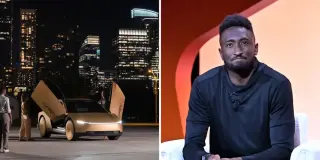
MKBHD says he will shave his head if Tesla sells a steering-wheel- and side-mirror-free Cybercab to regular buyers for $30,000 by the end of 2026; Tesla has moved the two-seat Cybercab into its Austin robotaxi service, but hitting the price, self-driving capabilities, and regulatory hurdles remains uncertain, keeping the wager alive.
Tesla hinted at a driverless, steering-wheel- and pedal-free Cybercab ahead of an Austin event, signaling a push toward unsupervised robotaxi fleets even as current tests use supervised setups; rivals like Waymo continue expansion, regulators review safety, and analysts weigh potential stock impact.
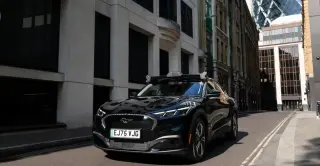
Uber has launched London’s first commercial robotaxi service using Wayve’s AV2.0 autonomous-driving system, with safety drivers at the wheel and no lidar or geofence; Uber will maintain the fleet with Otto Car while Wayve runs the autonomous system. Waymo plans to launch its own robotaxis in London later this year, and Uber’s move tests demand for driverless ride-hailing outside the US and China.
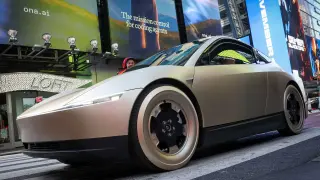
Tesla is moving toward a public rollout of its Starlink-enabled Cybercab in Austin, a pedal- and steering wheel-free two-seater that relies on Full Self-Driving; production is at Gigafactory Texas, employees are testing it on public roads, and a ride lottery suggests a late-2026 launch, though no firm date has been announced.
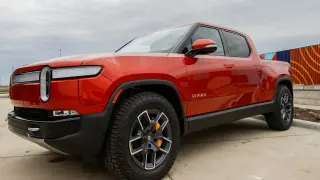
Rivian’s Autonomy+ shows strong highway hands-free driving and safety guardrails, pursuing parity with Tesla FSD, but nonhighway and city driving remain behind; Rivian plans lidar and point-to-point driving later, while Tesla already handles city streets in many cases; both require drivers to stay alert, with Rivian priced at $49.99/month or $2,500 upfront and Tesla at $99/month.
Tesla posted a weak Q2 with operating income of $398 million, well below expectations of about $1.7 billion, due to weaker pricing, less favorable vehicle mix, lower regulatory credits, higher costs, and more R&D spending. The bigger issue is investor doubting Musk’s ability to translate his long-run vision into near-term profitability, evidenced by a ~14% drop in the stock after the report and muted price-target moves. Analysts see ongoing capex for future pillars like robo-taxis and humanoid robot ventures as a transition that could squeeze current margins, meaning the market is repricing Tesla away from the “Musk premium” until tangible results arrive. Still, SpaceX and other Musk ventures support high valuation, underscoring the need for clear, profitable progress on future revenue streams.
Tesla is set to report Q2 2026 results with expected revenue of about $25.71 billion and 51¢ per share as auto deliveries rise 25% YoY to over 480,000, though the stock is down for the year. The company has been cutting prices on lower-cost Model 3/Y variants and expanding driver-assistance features, while shifting toward robotics and AI with plans for Optimus humanoid robots, the Cybercab, and a Terafab chip factory with Intel in Texas. Investors will look for updates on autonomy technology and how Tesla and SpaceX may collaborate amid competition from Chinese EV makers and questions about robotaxi timelines.
The NTSB’s preliminary report found the Tesla Model 3 accelerated to more than 70 mph after the driver manually overrode Full Self-Driving by pressing the accelerator to 100%, in Katy, Texas, killing Martha Avila; the driver is facing manslaughter charges.
Waymo will begin offering fully driverless robotaxi rides in four new U.S. cities—San Diego, Las Vegas, Tampa, and Denver—starting with employee pilots before a broader public rollout, expanding its lead in the U.S. autonomous-vehicle market; the company plans London service later this year and had about 4,000 robotaxis in its fleet as of May.
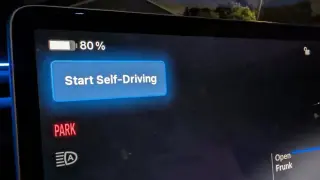
Tesla is releasing FSD v14 Lite to HW3/AI3 cars, a compact version of the newer HW4-based v14 that distills input from AI4 into HW3. It adds features like starting FSD from Park, automatic Reverse/Drive transitions, Arrival Options, and always-on Speed Profiles, plus improved responsiveness, lane-centering, and smoother behavior—though some v14 features (Smart Summon upgrades, the standalone Self-Driving app, and dynamic parking-pin adjustments) are omitted due to hardware limits. The rollout began with early-access testers on software 2026.20.5.1, with broader rollout after validation. Tesla notes HW3 cannot reach unsupervised autonomy and a hardware upgrade path to HW4+/AI5 is planned later; v15 Lite is unlikely. International rollout will follow validation, potentially in EU, Australia, NZ, and Korea in coming weeks.
Tesla has begun rolling out FSD v14 Lite to Hardware 3 cars (AI3), a supervised Level 2 update that distills HW4’s v14 guidance into the HW3 stack to improve city navigation, safety, and added parking/reversing features. The rollout starts with early-access drivers, with a wider release expected in the coming weeks; unsupervised autonomy remains unavailable on HW3, and the update does not fulfill the original promise of full self-driving.