
Global Carbon Dips 0.4% in 2026, Driven by Iran War Oil Shock, Not Climate Progress
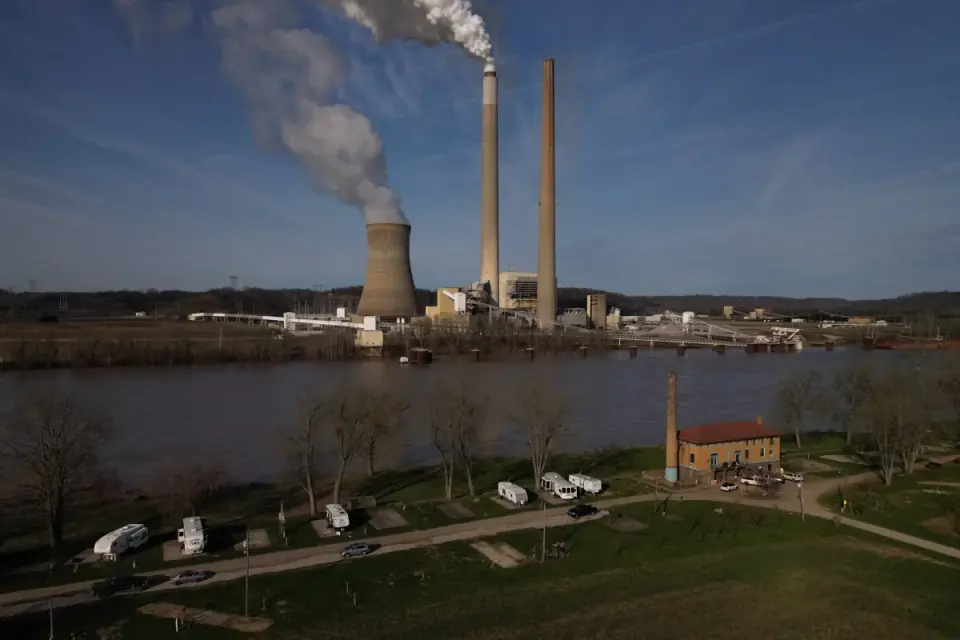
Global fossil fuel carbon dioxide emissions fell by 0.4% in 2026, reaching 42.2 billion tons, according to the Global Carbon Project. This decline is attributed primarily to the energy shock caused by the Iran war and the effective closure of the Strait of Hormuz, which spiked oil prices and reduced consumption. While clean energy growth contributed to the drop, experts warn that the reduction is temporary and not a sign of a permanent peak in emissions.
Key points
- Global fossil fuel CO2 emissions dropped 0.4% in 2026 to 42.2 billion tons, the third such decline in the 21st century.
- Oil emissions fell nearly 2% and natural gas dropped 0.3%, while coal emissions rose 0.6% as countries substituted for disrupted LNG trade.
- The decline is largely driven by the Iran war and the closure of the Strait of Hormuz, which disrupted global oil supply and raised prices.
- Clean energy growth, including electric vehicles and renewables, offset 64-79% of demand-driven emissions growth through 2028, but is not yet sufficient to ensure a permanent peak.
- China’s emissions dropped 0.9%, raising hopes that its emissions may have peaked, while India’s fossil fuel pollution increased by 4.4%.
- Overall global CO2 emissions, including land-use changes, rose by 1% due to deforestation and peat fires, despite the fossil fuel drop.
Background
This is the third time global carbon pollution has dropped in the 21st century, following the 2009 global recession and the 2020 COVID-19 pandemic. In both prior cases, emissions rebounded as economies recovered. The 2026 decline was presented at the UN climate negotiations in Antalya, Turkey, during the COP31 summit, where leaders urged faster climate action.
How outlets are covering it
The Global Carbon Project and co-author Glen Peters emphasize that the 2026 drop is a short-term response to the Iran war and energy shock, not a structural shift. Peters notes that oil emissions dropped suddenly, unlike the gradual decline expected from clean energy transitions. Niklas Höhne of Germany’s NewClimate Institute argues that permanent shifts are occurring, particularly in electric vehicle adoption in Asia, suggesting the global peak of carbon emissions may be near. Malte Meinshausen of the University of Melbourne warns that oil-producing nations not affected by the Hormuz blockage have reaped windfall gains, which may boost efforts to find oil elsewhere, dampening the short-term emission reductions. Mohamed Adow of Power Shift Africa highlights that the world is still pumping over 1,000 metric tons of CO2 into the atmosphere every second, underscoring the scale of the problem. Jonathan Overpeck of the University of Michigan notes that while progress is better than no progress, fossil fuels are not being phased out fast enough.
Why it matters
The 2026 emissions drop highlights the vulnerability of global energy systems to geopolitical shocks and the limitations of relying on such events for climate progress. It underscores the need for accelerated clean energy deployment to achieve a durable peak in emissions. The findings also reveal the complex interplay between energy markets, geopolitics, and climate policy, with implications for future energy security and environmental sustainability.
What to watch
The Global Carbon Project will continue monitoring emissions trends, with a focus on whether the 2026 drop leads to a sustained decline or a rebound. Policymakers at COP31 and beyond are expected to push for faster clean energy adoption and stricter fossil fuel regulations. The impact of the Iran war on global energy markets and emissions will be closely watched, as will the progress of China’s clean energy transition and India’s rising fossil fuel use.
- Heat-trapping carbon pollution drops, but scientists cite the Iran war rather than energy progress AP News
- The Iran War Unexpectedly Drove Down Carbon Emissions This Year The New York Times
- Iran War Set to Drive A Drop in Global Fossil Fuel Emissions in 2026 Crude Oil Prices Today | OilPrice.com
- A further acceleration of clean energy is needed for global CO2 emissions to peak and decline | Nature Climate Change Nature
- Carbon Emissions Are Set To Drop In 2026, But Not Necessarily For All The Right Reasons IFLScience
Want the full story? Read the original reporting
Read on AP News