
U.S. Housing Market Hits Record Lows as Mortgage Rates Freeze Transactions
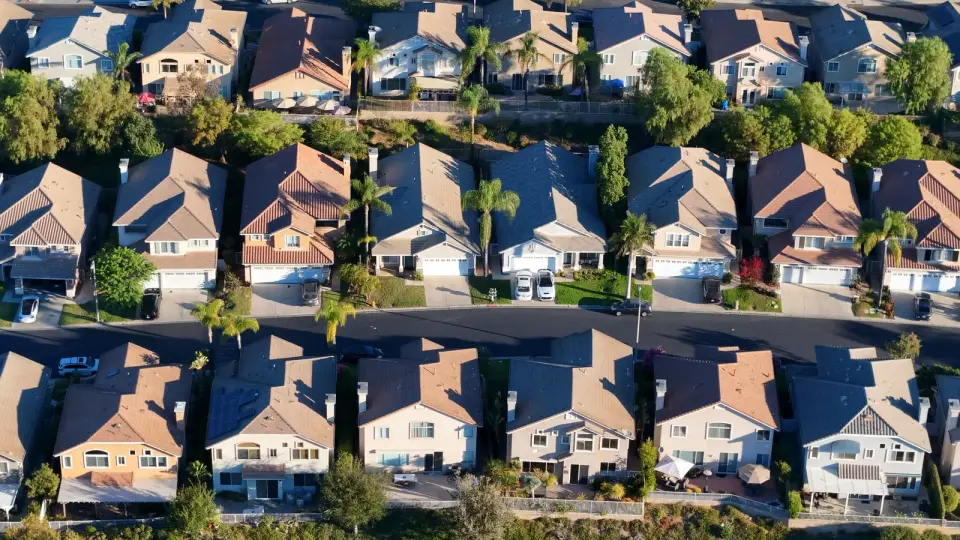
The U.S. housing market has entered a deep freeze, with pending home sales hitting a 25-year low in October. A sharp spike in 30-year mortgage rates to over 7.6% has stalled transactions, leaving buyers and sellers stuck. While home prices remain high, construction permits and builder sentiment have plummeted, causing job losses in the real estate sector and widening the wealth gap between homeowners and renters.
Key points
- Pending home sales fell 4.7% month-over-month and 16.7% year-over-year in October, marking the lowest level since tracking began in 2001, according to the National Association of REALTORS (NAR).
- The average 30-year fixed mortgage rate rose from 6.60% in July to 7.61% by early October, a 100-basis-point jump described by Zillow CEO Jeremy Wacksman as one of the fastest increases in decades.
- Closed sales of existing homes reached a 16-year low in October, while single-family building permits dropped 13% year-over-year, and builder sentiment hit its lowest level since 2012.
- The 'lock-in effect' is keeping homeowners with low interest rates from selling, reducing inventory and mobility. The national mobility rate has fallen to 8.3%, down from 11.1% a decade ago.
- Job losses are mounting, with the economy losing nearly 2,000 real estate jobs and 4,400 residential construction jobs in the past year, while mortgage industry employment has dropped 38% since its 2021 peak.
- Homebuilder margins are shrinking; Lennar’s net income fell by 52% in the third quarter as it prioritized volume over profit, and D.R. Horton missed earnings expectations while offering rate buydowns to buyers.
Background
This slowdown follows a period of rising home prices and tightening credit conditions. Previous coverage noted that sellers began offering rate buydowns and price cuts in late 2026 to attract buyers, while some localized markets like Newark remained seller-favorable due to inventory shortages. The current freeze represents a broad national shift away from those localized pockets of strength.
How outlets are covering it
Outlets emphasize different aspects of the crisis. CNBC and NAR focus on the record-low transaction volumes and the 'lock-in effect' preventing turnover, citing data from Redfin and the Census Bureau. 24/7 Wall St. highlights the financial impact on homebuilders, noting that Lennar and D.R. Horton are sacrificing margins to maintain sales, and warns that home prices may eventually fall if forced selling begins. Live 5 News provides a local perspective from South Carolina, noting that higher living costs and childcare expenses are reducing buyer purchasing power, forcing sellers to incentivize offers. While NAR’s chief economist suggests October may be the low point as rates top out, other analysts warn that the wealth gap between homeowners and renters is widening, with median homeowner wealth now 43 times that of renters.
Why it matters
The housing freeze impacts the broader economy by restricting labor mobility and reducing GDP growth. With nearly $35 trillion in wealth locked in housing, the lack of turnover affects education access, job matching, and consumer spending. The widening wealth gap and job losses in the real estate sector signal a potential deepening of the economic slowdown, affecting millions of Americans who are priced out of homeownership or unable to sell their current homes.
What to watch
Watch for whether mortgage rates decline in the coming months, which could trigger a rise in home prices as buyers rush in, similar to the post-pandemic surge. Monitor homebuilder margins in upcoming earnings reports, particularly for Lennar and D.R. Horton, to see if the trade-off of volume for profit continues. Also, watch the Case-Shiller Home Price Index for any year-over-year declines, which would indicate that the sales freeze is beginning to impact home values, potentially signaling a broader market correction.
- Stuck: How a frozen housing market is hitting buyers, sellers and the economy CNBC
- Pending Home Sales Decreased 4.7% in October, According to NAR Report National Association of REALTORS®
- Interest rates and higher living costs are contributing to a slower housing market Live 5 News
- U.S. Home Sales Just Hit Their Lowest Level in 25 Years. Is the Housing Market Breaking? 24/7 Wall St.
- Mortgage Rates Stay High as Pending Home Sales Fall 16.7% to a Record Low Norada Real Estate Investments
Want the full story? Read the original reporting
Read on CNBC