
Harvard study: US data centers emit more CO2 than Denmark; UN launches AI pledge
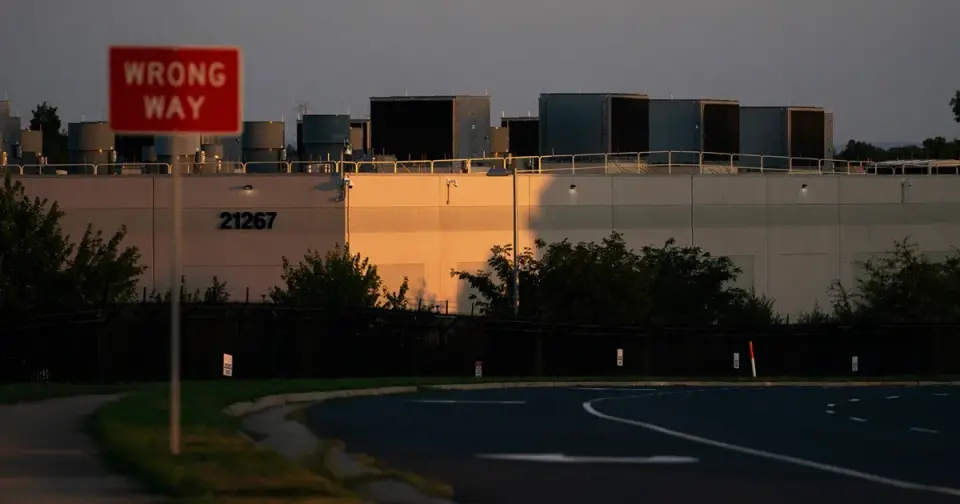
A new Harvard study estimates that the 403 largest US data centers emitted 25.7 million metric tons of CO2 in one year, exceeding the total emissions of Denmark. This finding coincides with the launch of a voluntary UN pledge at COP31 to transition data centers to clean energy and improve transparency.
Key points
- Harvard researchers estimated that 403 US hyperscale data centers consumed 82 terawatt-hours of electricity between May 2024 and April 2025, producing 25.7 million metric tons of CO2.
- Over 54% of this electricity came from fossil fuels, with the total output equivalent to the annual emissions of a small European country or a US state like Michigan.
- At the COP31 climate talks in Antalya, Turkey, negotiators launched the 'Antalya Artificial Intelligence Pledge,' a voluntary commitment for companies to use clean energy and disclose power and water usage.
- The study’s findings are 2 to 3 times higher than previous estimates, highlighting a significant gap in public data regarding the environmental footprint of AI infrastructure.
- While some experts argue AI can help reduce emissions by 6-9% by 2030, critics note that current pollution is rising, with major tech companies’ electricity consumption up 240% since 2022.
Background
Recent local ballot initiatives in the US have seen voters reject data center development in 40 of 41 initiatives, reflecting growing public concern over environmental and economic impacts. Additionally, federal courts have recently rejected attempts by tech firms to dismiss lawsuits regarding unpermitted power generation for data centers, indicating a tightening regulatory environment.
How outlets are covering it
NBC News and AP News emphasize the alarming scale of emissions, noting that the new figures are double or triple previous estimates. Time Magazine highlights the geographic disparity, pointing out that data centers in Wyoming produce seven times more CO2 per unit of electricity than those in Oregon due to grid differences. While Al Gore and industry leaders like Caleb Max of the National AI Association argue that AI will ultimately solve climate problems through efficiency, critics like Philip Newell of Climate Action Against Disinformation argue that current harms are being hidden behind promises of future benefits. Cornell’s Fengqi You supports the study’s methodology, noting that reliable measurement is essential for managing environmental impacts.
Why it matters
The study provides the first facility-level peer-reviewed data on the carbon footprint of US hyperscale data centers, challenging the narrative that AI is a net positive for climate goals. The simultaneous UN pledge signals a shift toward international pressure for transparency and clean energy adoption, potentially influencing future regulations and corporate strategies in the tech sector.
What to watch
The 'Antalya Artificial Intelligence Pledge' will likely face scrutiny as companies decide whether to sign on. Researchers plan to continue quantifying environmental impacts, including air pollution and water usage. In the US, political backlash against data centers may intensify as more facilities are planned, potentially leading to stricter local and federal regulations on energy consumption and emissions.
- Harvard study estimates magnitude of U.S. data center pollution as climate talks unveil clean AI pledge NBC News
- Assessing the carbon emissions and energy consumption of US hyperscale data centres Nature
- Over 400 American AI Data Centers Use As Much Electricity As Wisconsin, Michigan, or Indiana Time Magazine
- Study estimates magnitude of US data center pollution as climate talks unveil clean AI pledge AP News
- Hyperscale data centers’ energy consumption, carbon emissions newly estimated by researchers Harvard T.H. Chan School of Public Health
Want the full story? Read the original reporting
Read on NBC News