
US Convenience Chains Face Scrutiny for Charging More Than Advertised
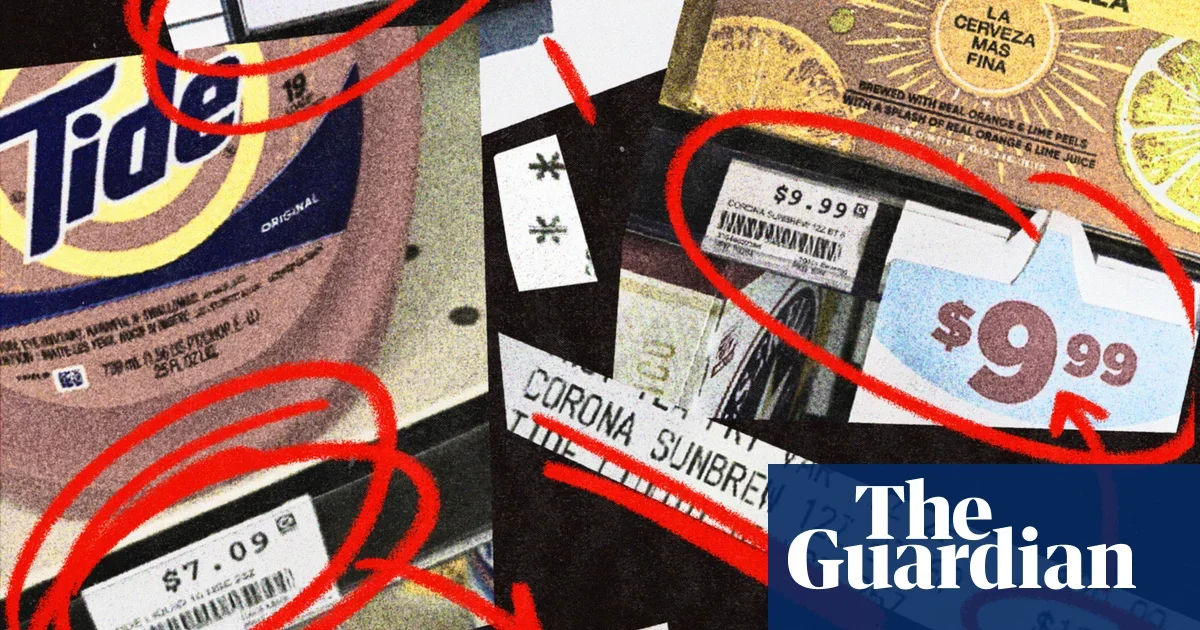
A Guardian investigation reveals that major US convenience store chains, including 7-Eleven and Circle K, frequently charge customers higher prices at the pump and register than those advertised. This practice adds to the financial strain on consumers facing soaring living costs.
Key points
- The Guardian reports that 7-Eleven and Circle K often fail to honor advertised prices for gas, snacks, and other items.
- The overcharging occurs at both fuel pumps and checkout registers.
- The issue is highlighted against the backdrop of rising living costs in the United States.
- The investigation suggests these pricing discrepancies are a common occurrence rather than isolated incidents.
Background
This story emerges amid broader economic pressures in the US, where public debt has reached approximately $40 trillion and interest costs are rising, contributing to higher borrowing costs for households. While previous coverage focused on global inflation issues in Iran and US debt levels, this report shifts focus to domestic retail practices that directly impact consumer spending on everyday goods.
Why it matters
For consumers already struggling with high living costs, hidden or unadvertised price increases at convenience stores represent a significant financial burden. These practices can erode trust in retail transparency and exacerbate economic stress for households relying on these chains for daily necessities.
What to watch
Regulators and consumer advocacy groups may scrutinize these pricing practices further. The chains involved may face pressure to align advertised prices with actual charges or provide clearer explanations for discrepancies. Consumers may also become more vigilant about checking final prices before purchasing.
Want the full story? Read the original reporting
Read on theguardian.com