
Advent Calendars Evolve: From Chocolate to High-End Beauty and Viral Backlash
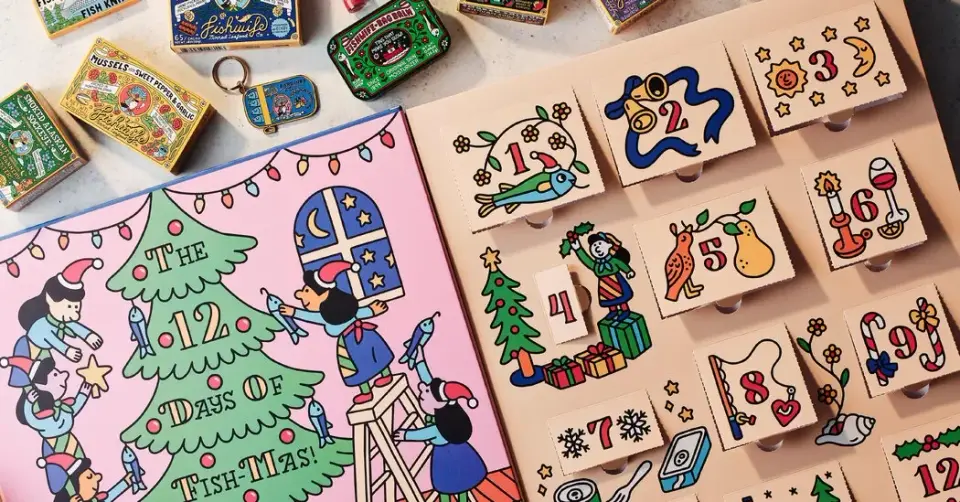
The tradition of Advent calendars has shifted significantly from simple chocolate or picture-based countdowns to high-value luxury goods, including skincare, fragrances, and niche food items. While retailers like Liberty London and Bloomingdale’s offer premium sets priced between $150 and $395, the market is also facing scrutiny over perceived value, as seen in recent consumer backlash against a low-cost accessory set.
Key points
- Advent calendars now frequently feature full-size or deluxe samples of high-end beauty products, such as Sunday Riley serums and Sisley lotions, rather than just candy.
- Retailers like Liberty London and Bloomingdale’s are selling luxury beauty and fragrance sets for $350 to $395, with some items valued over $1,200.
- The market includes diverse categories beyond beauty, such as tinned fish, stationery, and candles, reflecting a broader consumer interest in experiential and niche gifts.
- Some popular calendars, including those from Anthropologie, have sold out before the holiday season began, indicating high demand for premium sets.
- Recent consumer backlash against a $148 accessory calendar from Skims highlights growing sensitivity to the perceived value of holiday countdown products.
Background
Recent archive coverage highlights a specific incident where Kim Kardashian’s Skims brand issued refunds after its $148 Accessories Advent Calendar faced viral criticism for containing low-value items like hair ties and keychains. This event underscores the current consumer expectation that Advent calendars must offer substantial perceived value, a standard that contrasts with the premium pricing of current luxury beauty sets.
How outlets are covering it
The New York Times emphasizes the cultural evolution of the Advent calendar, noting a shift from traditional chocolate to diverse consumables like pickles and protein powder, reflecting a broader change in holiday rituals. In contrast, New York Magazine focuses on the commercial and luxury aspects of the trend, detailing the high price points and specific product inclusions of major retailers. While the Times highlights the novelty of the contents, New York Magazine frames the calendars as high-value luxury goods, noting that some sets are already sold out, which suggests a market that is both expanding and increasingly competitive.
Why it matters
The shift in Advent calendar contents reflects broader changes in consumer behavior, where holiday traditions are increasingly tied to luxury consumption and brand loyalty. The recent backlash against low-value sets indicates that consumers are more critical of perceived value, forcing retailers to balance premium pricing with high-quality contents to maintain brand reputation and customer satisfaction.
What to watch
Retailers will likely continue to innovate with high-value, niche, and luxury Advent calendars to meet consumer demand for premium holiday experiences. However, the recent backlash against low-value sets suggests that brands must carefully curate contents to avoid consumer dissatisfaction, potentially leading to a more competitive market for premium holiday products.
- Advent Calendars Go Beyond Chocolate, From Pickles to Protein Powder The New York Times
- The Best Advent Calendars This Year (So Far) New York Magazine
- Holiday magic behind every door KING5.com
- ADVENT CALENDARS HAVE ARRIVED! TheSuburban.com
- Scouted: 7 Food-Forward Advent Calendars to Count Down to the Holidays Yahoo
Want the full story? Read the original reporting
Read on The New York Times