
Denver DA Reconsiders Charges After Man Accused of 30 Waymo Egg Attacks
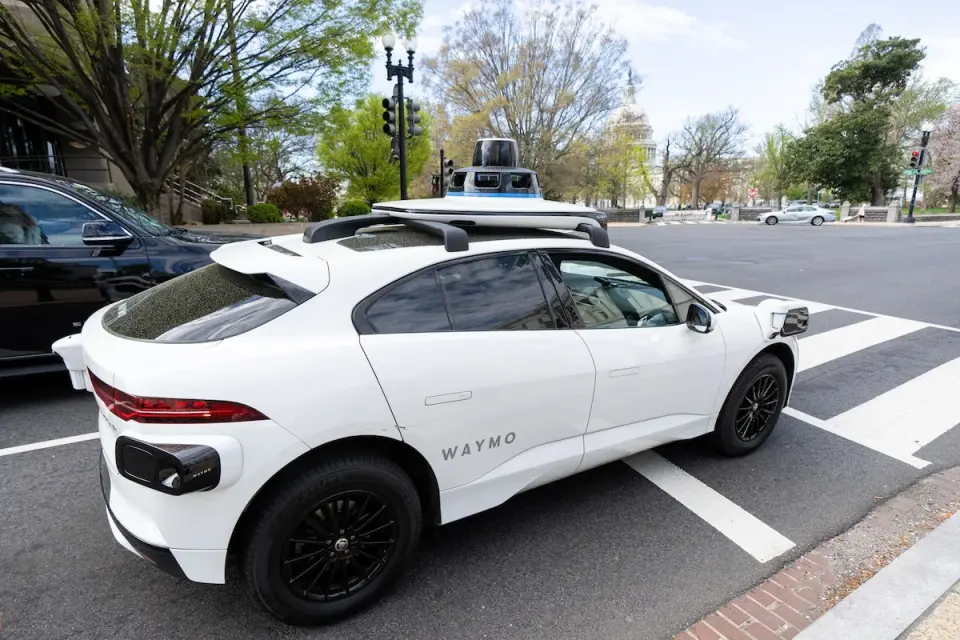
A Denver man is accused of trapping and egging Waymo self-driving cars in approximately 30 incidents since the service launched in September 2025. While the Denver District Attorney's Office initially declined to file criminal charges, citing a lack of permanent damage, it is now reviewing the case to find a legal mechanism to stop the behavior. Waymo reported cleaning costs between $800 and $2,000 per vehicle and temporary removal from service. The suspect, described as a middle-aged man with a beard and ponytail, uses orange traffic cones to block the vehicles' sensors before throwing eggs. Mayor Mike Johnston stated that Waymo cars are mostly working well in Denver despite the incidents.
Key points
- A Denver man is accused of approximately 30 incidents of trapping Waymo robotaxis with orange traffic cones and pelting them with eggs since the service launched in September 2025.
- The Denver District Attorney's Office initially declined to file criminal charges, classifying the incidents as civil matters due to a lack of permanent damage, but is now reviewing the case to identify a legal mechanism to stop the behavior.
- Waymo reported that the incidents resulted in cleaning costs between $800 and $2,000 per vehicle and temporarily removed the affected vehicles from service.
- The suspect is described as a middle-aged man with a beard and ponytail who uses a silver Toyota Corolla to block the vehicles before deploying cones and eggs.
- Denver Mayor Mike Johnston stated that Waymo cars are mostly working well in the city, describing them as popular, energy-friendly, and efficient, despite the incidents.
Background
Waymo, an Alphabet subsidiary, launched its robotaxi service in Denver in September 2025, expanding to approximately 15 U.S. cities by September 2026. The company has faced regulatory scrutiny and public backlash over autonomous vehicle safety and impact on human drivers. In Denver, the service operates in the downtown core and Cherry Creek, with approximately 30 vehicles active as of October 2026. The current incidents reflect broader anti-robotaxi sentiment in several U.S. cities, where concerns about job losses, traffic disruptions, and emergency service blockages have led to vandalism and protests against autonomous fleets.
How outlets are covering it
The Washington Post and The Independent report that the Denver District Attorney's Office is now reviewing the case to find a legal mechanism to stop the behavior, after initially declining criminal charges. The Denverite notes that the DA's office initially classified the incidents as civil matters, citing a lack of permanent damage, but signaled a potential change in course after media coverage. The Independent highlights that the incidents rely on a tactic known as 'coning,' which exploits safety features in autonomous software by forcing vehicles to treat cones as impassable hazards. The Washington Post notes that Mayor Mike Johnston stated that Waymo cars are mostly working well in Denver, despite the incidents. The Denverite reports that the suspect's vehicle was registered to a company that provides vehicles for lease by Lyft drivers, fueling speculation that the man works as a ride-share driver. The Independent notes that the attacks reflect broader anti-robotaxi sentiment in several U.S. cities over concerns about job losses, traffic disruptions, and emergency service blockages.
Why it matters
The case highlights the legal and regulatory challenges surrounding autonomous vehicle deployment in urban areas, where public backlash and vandalism can disrupt services and raise questions about liability and enforcement. The Denver DA's reconsideration of charges may set a precedent for how authorities handle non-destructive but disruptive acts against autonomous fleets, balancing civil and criminal remedies. The incidents also underscore tensions between technology companies and local communities over the impact of autonomous vehicles on human drivers and city infrastructure.
What to watch
The Denver District Attorney's Office is expected to coordinate with the City Attorney's Office to identify a legal mechanism to stop the behavior, potentially involving criminal charges or civil remedies. Waymo may continue to pursue civil actions for the cleaning costs and service disruptions. The suspect may face further scrutiny if the DA's office determines that the incidents constitute criminal mischief or other offenses under Colorado law. The outcome may influence how other cities handle similar incidents involving autonomous vehicles and public protests.
- A Denver man is trapping and egging Waymo’s self-driving cars, police say The Washington Post
- A Man in Denver Has Been Throwing Eggs at Waymo Vehicles The New York Times
- Is Denver’s ponytailed Waymo avenger actually committing a crime? Denverite
- 1 man egging Waymo's robot rideshares around metro, police report says 9News
- Waymo hit with costly cleanups after driver traps 30 robotaxis in egg attack spree The Independent
Want the full story? Read the original reporting
Read on The Washington Post