
US Agencies Warn Healthcare Sector After French Blood Bank Cyberattack
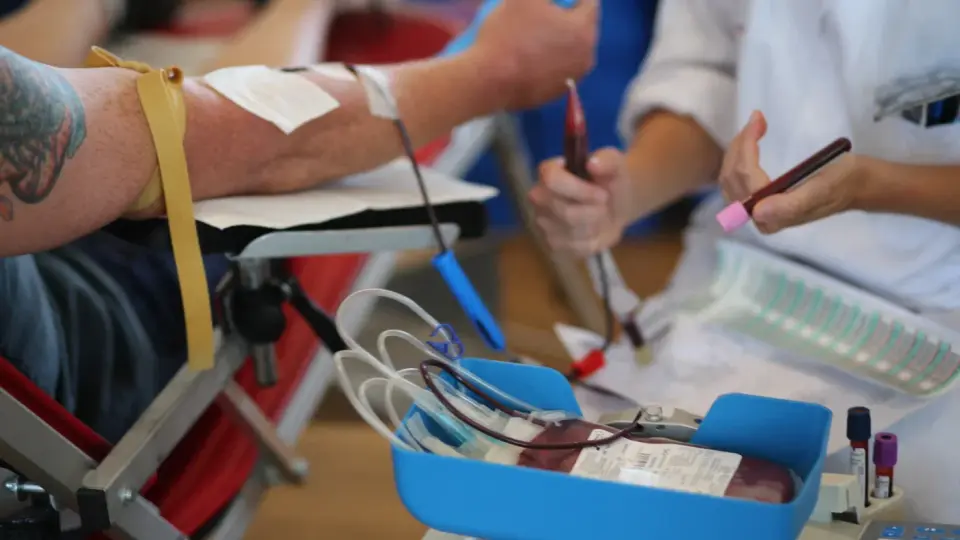
US federal agencies issued a joint warning on November 5, 2026, urging healthcare and industrial sectors to secure refrigeration systems after a wave of cyberattacks targeted cold-chain infrastructure across Europe. The alerts followed an incident at the French Blood Establishment, where hackers manipulated temperature controls at three sites, though monitoring systems prevented the loss of blood plasma. While the attacks caused significant food spoilage in European supermarkets, the healthcare sector faces unique risks due to the critical nature of stored medical supplies. Experts emphasize that operational technology (OT) devices, often left exposed to the internet with default credentials, are increasingly vulnerable to opportunistic attacks, prompting calls for stricter network segmentation and offline backups.
Key points
- Five US agencies, including CISA and the FBI, released a joint fact sheet on November 5, 2026, warning of ongoing threats to industrial refrigeration and cold-chain monitoring systems.
- The warning follows a cyberattack on the French Blood Establishment (EFS) on November 1, 2026, where hackers attempted to raise temperatures to 110°C at three sites, but alarms allowed staff to secure the blood supply.
- A broader wave of attacks in late October and early November targeted supermarkets in France, Belgium, Sweden, and other European countries, causing millions of euros in food spoilage and equipment damage.
- Security experts note that many refrigeration controllers, such as those made by Danfoss and Copeland, were exposed to the open internet with default credentials, facilitating widespread compromise.
- Health ISAC advised healthcare facilities to eliminate public internet exposure for OT devices, enforce network segmentation, and implement hard-wired mechanical cutoffs to prevent software overrides from endangering patient safety.
Background
This incident is part of a growing trend of cyberattacks targeting operational technology (OT) in critical infrastructure. Previous coverage highlighted the November 1 attack on French blood banks, which was thwarted by monitoring systems. The current wave extends beyond healthcare to include grocery stores and military bases, reflecting a broader vulnerability in industrial refrigeration systems. Earlier reports noted that while no formal attribution has been made, Russian and Iranian actors have been linked to similar disruptions, though experts remain skeptical of some online claims of responsibility.
How outlets are covering it
NPR and CBS News emphasize the immediate threat to patient safety and the urgency of securing cold-chain systems, citing the French blood bank incident as a critical example. Dark Reading focuses on the technical vulnerabilities, highlighting how shared infrastructure and default credentials allowed attackers to compromise hundreds of stores simultaneously. BBC reports on the broader implications for smart devices, questioning whether all connected appliances are necessary, while noting that no domestic appliances have been targeted yet. There is disagreement on attribution: some outlets mention Russian and Iranian actors, while others, like NPR, note that experts are skeptical of claims by groups like NoName057(16) due to a lack of concrete evidence.
Why it matters
The attacks highlight a critical gap in cybersecurity for operational technology, where physical safety is directly linked to digital security. For healthcare, a failure in refrigeration can lead to the loss of life-saving blood and vaccines, making these systems a high-priority target. The incident underscores the need for robust security measures, including network segmentation and offline backups, to protect critical infrastructure from opportunistic cyber threats.
What to watch
US agencies are urging organizations to change passwords, disconnect devices from the internet, and update software to address vulnerabilities. Healthcare facilities are advised to implement hard-wired mechanical cutoffs and train staff on manual control procedures. As AI tools make it easier for attackers to identify and exploit vulnerabilities, experts expect a continued increase in attacks targeting OT systems, necessitating a proactive approach to cybersecurity in critical infrastructure.
- Health intel-sharing group warns industry in wake of cyberattack on French blood bank NPR
- Are hackers targeting America’s food supply? NewsNation
- Federal agencies warn organizations about potential cyberattacks on industrial refrigerators CBS News
- Why Europe's Freezer Hacks Spread So Far, So Fast Dark Reading
- Jersey cyber boss warns over tech vulnerabilities BBC
Want the full story? Read the original reporting
Read on NPR