
Europe’s Second Fridge Hack: Blame Points to Moscow, But Experts Remain Divided
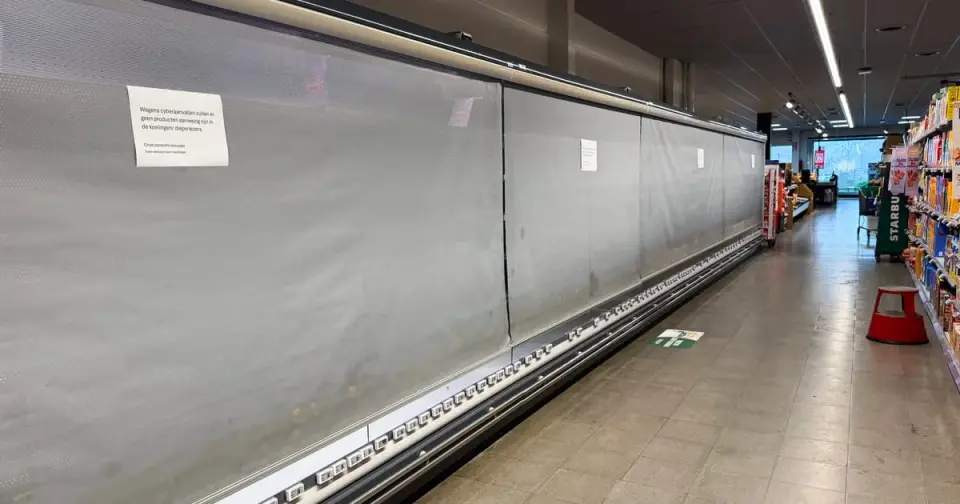
A second wave of cyberattacks on European supermarket refrigeration systems on Nov. 1-2, 2026, affected at least 11 countries, causing temperatures to spike to 50°C and spoiling millions of euros’ worth of food. While the EU calls the attacks a deliberate threat to food security, attribution remains contested: some analysts suspect Russian state actors, while others dismiss state involvement as 'semi-amateurish.'
Key points
- The Nov. 1-2 attacks hit supermarkets in Belgium, Estonia, Finland, Ireland, Italy, Luxembourg, the Netherlands, Portugal, Sweden, Germany, and Romania, with the UK also reporting minor incidents.
- Attackers exploited vulnerabilities in internet-connected refrigeration controllers, specifically hijacking defrost cycles to raise temperatures to 50°C, causing rapid food spoilage.
- The EU Commission described the incidents as 'not isolated' and a 'deliberate attempt to disrupt our food supply chain,' prompting a joint response with national authorities.
- Cybersecurity firm Lupovis attributes the attacks to a Russian state-sponsored actor, citing expertise in industrial control systems and server overlaps with known Russian groups.
- Romania’s National Cyber Security Directorate dismissed the threat as 'semi-amateurish' and stated it does not suspect a state actor, highlighting a lack of consensus on attribution.
- No ransom demands or claims of responsibility have been made, and no evidence of AI-driven rogue agents or criminal extortion has emerged.
Background
This incident follows a similar cyberattack in October 2026 that disrupted up to 700 French grocery stores, causing tens of millions of euros in losses. Earlier in 2026, U.S. military bases experienced freezer failures, which the Pentagon suspected were hacker-related. The current attacks exploit known vulnerabilities in legacy industrial control hardware, some of which had security advisories issued as early as May 2025.
How outlets are covering it
Attribution is the central point of divergence among sources. POLITICO and cybersecurity firm Lupovis strongly suspect Russian state actors, citing the technical complexity of the attack, server overlaps with Russian groups, and the pattern of hybrid warfare. In contrast, Romania’s cybersecurity directorate dismissed the attacks as 'semi-amateurish' and explicitly ruled out a state actor. The EU Commission and UK’s National Cyber Security Centre avoided direct attribution, focusing instead on collective resilience and the vulnerability of critical infrastructure. Scientific American emphasized the technical mechanism—hijacking defrost cycles—and noted that while the attacks are devastating, they may be limited in scope due to outdated equipment. Al Jazeera reported that while the EU warned of non-isolated incidents, no single group has claimed responsibility, and the motive remains unknown.
Why it matters
The attacks expose critical vulnerabilities in Europe’s food supply chain infrastructure, demonstrating how remote cyber intrusions can cause immediate physical disruption and economic loss. The lack of consensus on attribution complicates diplomatic and security responses, while the repetition of attacks suggests that adversaries are testing the limits of European resilience. As retailers face thin profit margins and millions in losses, the incident underscores the urgent need to upgrade legacy systems and implement better firewalls to prevent future disruptions.
What to watch
The EU Commission is coordinating a joint response with national authorities, while Belgium’s Federal Public Prosecutor’s Office has opened a criminal investigation. Retailers are accelerating upgrades to 5G networks and modern modems for refrigeration systems, as recommended by cybersecurity experts. The UK’s National Cyber Security Centre is alerting organizations with exposed technology to update software and isolate vulnerable systems. Analysts expect foreign adversaries to study the impact of these attacks, potentially leading to more sophisticated or widespread incidents in the future.
- Supermarket Chain Thaw Massacre: Russia suspected in Europe’s fridge attacks POLITICO.eu
- Europe on alert after supermarket freezers hit by cyber-attacks in 10 countries BBC
- EU urges action as Germany, Romania and UK report supermarket cyberattacks Al Jazeera
- Supermarket fridge attack is just the start, says UK cybersecurity chief Reuters
- How hackers are turning grocery store freezers into heaters Scientific American
Want the full story? Read the original reporting
Read on POLITICO.eu