
Rocket Lab Secures $266M Space Force Deal for New Alaska Launch Site
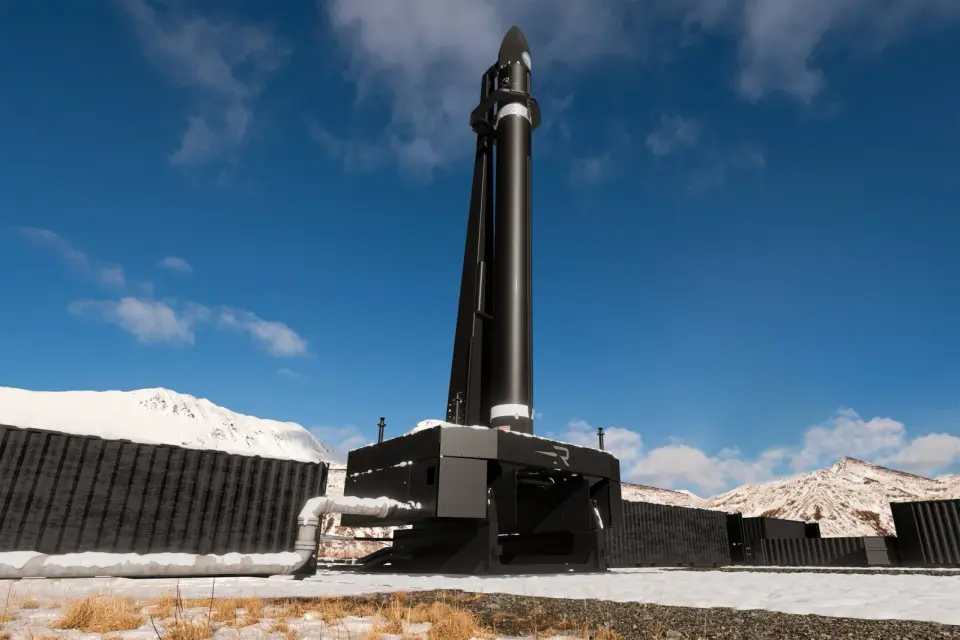
Rocket Lab has won its largest launch contract to date, a $266 million agreement with the U.S. Space Force to conduct up to 18 suborbital missions from a new facility in Kodiak, Alaska. The deal, announced on July 21 and confirmed by the company on July 27, includes 12 firm launches with options for six more, with the first mission scheduled no earlier than late 2026. This expansion into military testing infrastructure marks a significant shift for the company, which has previously focused on commercial small satellite launches and rapid-response orbital missions. The new site will be Rocket Lab’s fourth global launchpad, joining existing facilities in New Zealand and Virginia, and aims to address Pentagon demands for increased hypersonic and missile defense testing capacity.
Key points
- The contract is valued at $266 million and covers 12 suborbital launches, with options for six additional missions, making it Rocket Lab’s largest award to date.
- The new launch site will be established at the Pacific Spaceport Complex in Kodiak, Alaska, serving as the company’s fourth global facility.
- The first launch under the agreement is scheduled no earlier than the end of 2026, with work expected to continue through 2028.
- The contract was awarded by the Space Systems Command’s Rocket Systems Launch Program to support responsive launch services for research, development, and operational testing.
- Rocket Lab’s CEO Peter Beck stated the contract reflects the military’s demand for frequent launch opportunities to support missile defense programs.
Background
Rocket Lab has recently expanded its role in national security beyond commercial services, having previously demonstrated rapid-response capabilities through the TacRS program, including a 16-hour 42-minute launch for the VICTUS HAZE mission in June 2026. The company also secured a $300 million NASA contract for Earth science missions in June 2026. This new Space Force deal builds on that trajectory, focusing specifically on suborbital testing for defense applications rather than orbital insertion.
How outlets are covering it
SpaceNews emphasizes the strategic significance of the new Kodiak facility as a fourth global launch site and highlights the Pentagon’s need for increased test infrastructure for hypersonic and missile defense. Yahoo Finance focuses on the financial implications, noting that Rocket Lab’s stock surged nearly 5% premarket following the announcement, framing the contract as a key step in revenue diversification beyond commercial launches. Both outlets agree on the contract value and scope, but SpaceNews provides more detail on the operational context of the Rocket Systems Launch Program, while Yahoo Finance contextualizes the deal within broader U.S.-Iran geopolitical tensions and defense sector demand.
Why it matters
This contract signals a major shift in Rocket Lab’s business model, moving from a commercial small-satellite specialist to a critical partner in U.S. national security testing. The establishment of a dedicated suborbital launch site in Alaska addresses a bottleneck in defense testing infrastructure, allowing for more frequent hypersonic and missile defense trials. It also positions Rocket Lab as a key player in the growing market for rapid-response and responsive launch services, potentially influencing future defense procurement strategies and reducing reliance on traditional orbital launch providers for suborbital testing.
What to watch
Rocket Lab will begin construction and development of the new launch site in Kodiak, Alaska, with the first suborbital mission scheduled no earlier than late 2026. The company will likely continue to leverage its HASTE suborbital vehicle for these missions, though the specific payloads and launch vehicles have not been disclosed. Investors will monitor the company’s ability to execute the contract efficiently and whether this leads to further defense contracts, while the Pentagon will assess the impact of increased suborbital testing capacity on missile defense development timelines.
- Rocket Lab to open Alaska launch site under $266 million Space Force deal SpaceNews
- Rocket Lab Stock Is Jumping for 2 Reasons Barron's
- Rocket Lab Stock Jumps After Securing Largest Launch Contract With Pentagon Investor's Business Daily
- RKLB Stock Climbs Premarket On Landmark US Space Force Contract – How Is It Different From Commercial Launches? Yahoo Finance
- Kodiak Spaceport included in big new defense contact Kodiak Daily Mirror
Want the full story? Read the original reporting
Read on SpaceNews