
Lockheed Martin Unveils PAC-3 Edge for Army's Next-Gen Patriot Interceptor Program
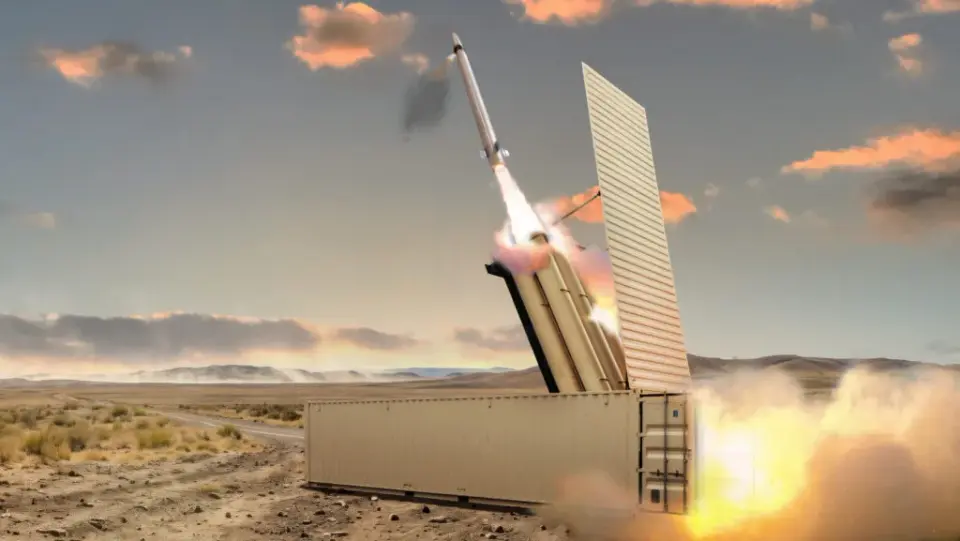
Lockheed Martin has revealed the PAC-3 Edge, a next-generation interceptor designed to replace the current PAC-3 MSE in the U.S. Army's Future Interceptor program. The new missile offers increased range, altitude, and seeker sensitivity to counter hypersonic and advanced threats. Lockheed plans to begin testing in 2027 and deploy by 2031, investing hundreds of millions in its development while ramping up current PAC-3 production.
Key points
- Lockheed Martin is one of two companies selected to advance in the Army's Future Interceptor program, with the other competitor unnamed.
- The PAC-3 Edge features a new seeker developed in-house by Lockheed's Strigo Product Center and a multi-pulse solid rocket motor developed with Northrop Grumman.
- Lockheed has invested between $50 million and $100 million in the missile itself and approximately $800 million in the seeker technology to date.
- Testing for the PAC-3 Edge is scheduled to begin in 2027, with first deployment targeted for 2031.
- Production will occur at Lockheed's existing facility in Camden, Arkansas, which is being upgraded with robotics and AI to triple PAC-3 MSE production over the next seven years.
Background
The U.S. Army previously attempted to develop a next-generation interceptor through the Lower-Tier Future Interceptor (LTFI) program, which was cancelled in 2024 but may resume. Lockheed also introduced the lower-cost PAC-3 ACE for international customers earlier this year. Recent defense industrial base expansions, including a 22-day delivery of Patriot housings from GM Defense, support the broader push to increase munitions production.
How outlets are covering it
Lockheed Martin emphasizes the PAC-3 Edge's ability to counter hypersonic threats and its integration with existing systems like the Integrated Battle Command System. Breaking Defense highlights the significant private investment Lockheed is making, including hundreds of millions for the seeker and missile, and notes the company's collaboration with Northrop Grumman on the rocket motor. Both sources agree on the 2027 testing and 2031 deployment timeline, but Lockheed focuses on technological superiority while Breaking Defense contextualizes the move within the Army's fluctuating program history and broader Pentagon production agreements.
Why it matters
The PAC-3 Edge represents a critical upgrade to the U.S. Army's air and missile defense capabilities, ensuring readiness against advanced and hypersonic threats. Its development signals a shift toward more capable, high-altitude interceptors while maintaining production continuity through upgraded facilities and new manufacturing partnerships.
What to watch
Lockheed Martin will unveil a full-scale model of the PAC-3 Edge at the Association for the US Army conference on Monday. The company plans to begin testing in 2027 and aims for deployment by 2031, while continuing to ramp up PAC-3 MSE production at its Camden, Arkansas facility.
- Lockheed unveils PAC-3 Edge, its next-gen Patriot interceptor Breaking Defense
- Lockheed Martin Debuts PAC-3 Edge™ for the U.S. Army's Innovative Future Interceptor Program Lockheed Martin
- Lockheed Martin unveils PAC-3 Edge interceptor designed to counter hypersonic threats Reuters
- Lockheed Unveils New Patriot For US Army Air Defense Contest Bloomberg.com
- Lockheed unveils next-gen Patriot interceptor to defend against hypersonic threats (LMT:NYSE) Seeking Alpha
Want the full story? Read the original reporting
Read on Breaking Defense