
China’s Record Gold Imports Signal Deep Shift in Reserve Strategy
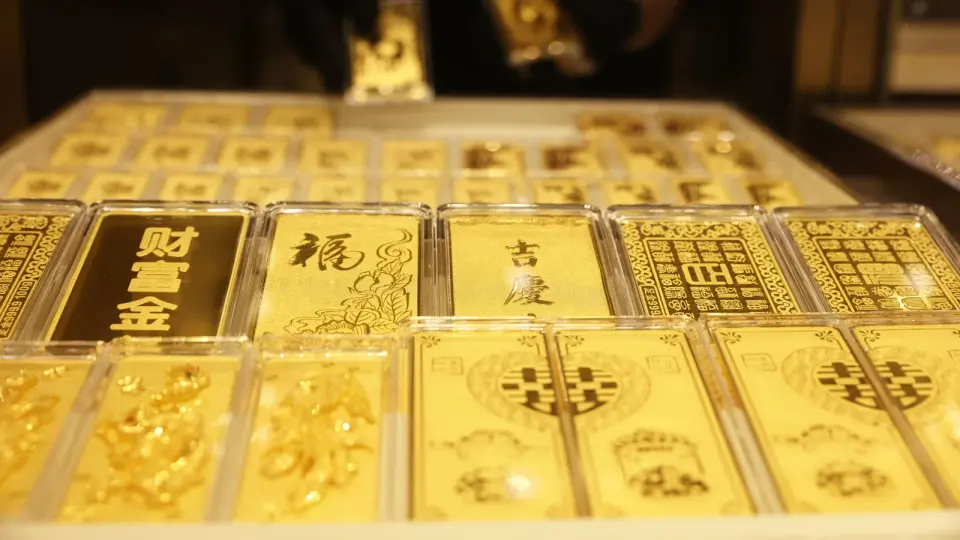
China’s central bank has purchased gold for 23 consecutive months, with September’s 21-tonne addition marking the largest monthly increase in three years. This institutional buying coincides with record retail imports, as Chinese households seek safe-haven assets amid a weak property market and low bond yields. The surge in demand is helping support global gold prices despite high U.S. interest rates.
Key points
- The People’s Bank of China added 21 tonnes of gold in September, extending its buying streak to 23 months and reaching a total reserve of 2,196 tonnes.
- China imported over 1,000 tonnes of gold in the first eight months of 2026, spending a record $158.8 billion, which exceeds the total imports of the entire previous year.
- Gold prices fell more than 8% in September to approximately $4,176 per ounce, yet Chinese demand remained robust, providing a structural floor for bullion prices.
- China’s U.S. Treasury holdings dropped to an 18-year low of $618 billion in July, reflecting a strategic move to diversify reserves away from the dollar.
- Analysts forecast gold prices could rise between $4,750 and $5,500 per ounce by the end of the first quarter of 2027, driven by sustained Chinese demand.
Background
This trend follows earlier developments in 2026, including the appointment of Judy Shelton as a senior adviser on China currency policy by the U.S. Treasury, highlighting heightened attention to Chinese financial strategies. Additionally, Beijing has expanded its strategic footprint in gold mining, securing significant land concessions in Nicaragua, while Russian gold shipments via Hong Kong have surged, indicating a broader shift in global bullion trade dynamics toward Asia.
How outlets are covering it
CNBC emphasizes the dual driver of central bank diversification and retail safe-haven demand, noting that China’s low bond yields make gold more attractive compared to Western markets. Kitco highlights the specific tonnage of the September purchase and the broader context of global central bank accumulation, noting that China is catching up to Poland in year-to-date buying. The World Gold Council provides a global view, confirming that China leads in August’s reported net buying, while noting that other nations like Uzbekistan and Poland are also significant participants. ad-hoc-news.de focuses on the market impact, arguing that Chinese buying is the primary counterweight to monetary policy headwinds from the Federal Reserve, even as gold prices fluctuate.
Why it matters
China’s sustained gold accumulation signals a fundamental shift in global reserve strategies, reducing reliance on the U.S. dollar and U.S. Treasuries. This trend provides structural support for gold prices, potentially insulating the metal from volatility driven by Western monetary policy. For investors, it indicates that geopolitical tensions and domestic economic uncertainties in China are driving long-term demand, which could sustain higher gold prices despite rising U.S. interest rates.
What to watch
The next Federal Open Market Committee meeting is scheduled for October 27-28, 2026, which could influence U.S. yields and the dollar’s strength, affecting gold’s appeal. Additionally, the release of the September U.S. consumer price index on October 14, 2026, will provide insights into inflation trends, potentially impacting future rate expectations. Continued monitoring of China’s foreign exchange reserves and gold import data will be crucial for assessing the sustainability of this buying spree.
- Why China is importing a record amount of gold — and what it means for prices CNBC
- China’s central bank buys 21 tonnes of gold in September, largest monthly purchase in 3 years Kitco
- Central Bank Gold Statistics: Central banks continue summer spree in August | Post by Marissa Salim | Insights World Gold Council
- Gold's 23rd Straight Month of Chinese Buying Is Doing the Heavy Lifting ad-hoc-news.de
- China's central bank buys gold for 23 months am... Pluang
Want the full story? Read the original reporting
Read on CNBC