
Strait of Hormuz closure fails to spike oil prices as markets absorb Iran conflict
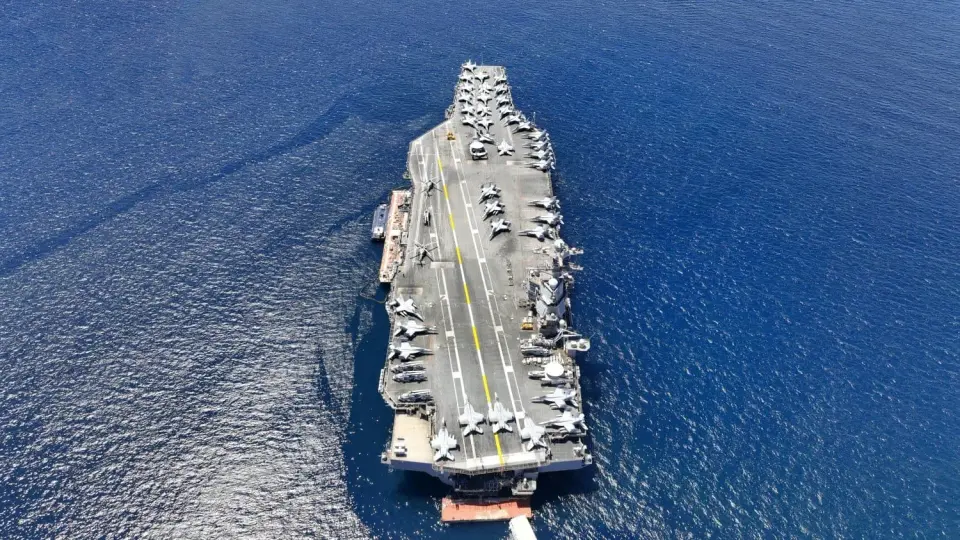
The US-Iran conflict has effectively shut down the Strait of Hormuz, yet oil prices remain muted and stock markets hover near record highs. While tanker stocks surge on rerouting costs, major oil equities show limited gains, and analysts debate whether markets are ignoring the crisis or pricing in a stalemate.
Key points
- The 60-day US-Iran memorandum of understanding signed in June has expired with no follow-on deal, and a Wall Street Journal report alleges Iranian hardliners planned to violate it from the start.
- Shipping through the Strait of Hormuz has dropped by 90% since the war began in February, with only five cargo ships passing on a recent Saturday versus 31 the previous week.
- Despite the closure, Brent crude traded at $88.45 and WTI at $81.79 on August 17, showing minimal reaction to the supply shock, while major indices remained near record highs.
- Tanker stocks like Frontline and DHT Holdings have surged 103% and 70% year-to-date due to rerouting and higher freight rates, outperforming major oil producers like Exxon Mobil.
- War-risk insurance premiums on tankers have risen from 0.25% to 3-10% of hull value, and the Federal Reserve's outlook on inflation remains a key market driver.
Background
The conflict began in February 2026, with the US and Iran engaging in nightly strikes and Iran threatening the safety of the Strait of Hormuz. A June memorandum of understanding attempted to pause the conflict, but tensions have since escalated, with Iran striking tankers and the US planning wider operations. Previous coverage noted oil prices jumping above $90 and global markets shaking as the war widened, including Houthi blockades in the Red Sea.
How outlets are covering it
24/7 Wall St. emphasizes the disconnect between the physical closure of the Strait and the muted reaction in oil equities, noting that Exxon Mobil is considered overvalued despite the conflict. Investing.com highlights broader market resilience, with the S&P 500 easing only 0.20% from its record high and European markets mixed, attributing stability to resilient Eurozone growth and AI investment. Marketplace.org, via Bloomberg Markets editor John Authers, frames the market strength through historical precedent, suggesting that financial markets have weathered major conflicts before and may be pricing in a prolonged stalemate rather than an immediate macroeconomic crisis.
Why it matters
The muted oil price reaction despite a 90% drop in Strait of Hormuz traffic signals that markets may be absorbing the geopolitical risk or anticipating a limited conflict. This affects energy stock valuations, with tankers outperforming majors, and influences inflation expectations and Federal Reserve policy. Investors must monitor whether the stalemate breaks, as a full escalation could trigger a sharp oil price spike and market volatility.
What to watch
Watch Kpler’s Strait of Hormuz transit counts over the next two weeks for any resumption of shipping. Monitor whether Qatar and Pakistan, current message-carriers, produce a resumed negotiation between the US and Iran. Follow Federal Reserve minutes and US flash purchasing managers’ indices for inflation signals, and track Brent crude prices for any sharp spikes if the stalemate breaks.
- Here’s What “Iran’s Secret Plan To Escalate The War” Means For Oil Stocks 24/7 Wall St.
- Technology Stocks Lift Equities as Treasuries Rise: Markets Wrap Bloomberg.com
- To understand how war impacts financial markets, look to the past marketplace.org
- Global Markets Mixed Amid Geopolitical Tensions and Upcoming Economic Reports Business Standard
- Global Markets Mixed as Fed Outlook and Geopolitical Risks Shape Sentiment Investing.com South Africa
Want the full story? Read the original reporting
Read on 24/7 Wall St.