The Pentagon has instructed U.S. Central Command to finalize preparations for potential major combat operations against Iran, with no specific launch date set. President Trump is weighing whether to resume strikes before the November 3 midterm elections, potentially in coordination with Israel. While U.S. officials claim Iran’s economy is collapsing, oil prices have spiked due to renewed tanker attacks and missile strikes in the region.
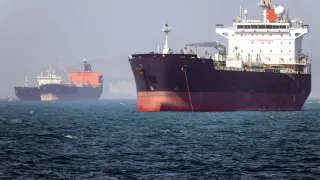
Oman’s air force evacuated 10 injured crew members from the Panamanian-flagged oil tanker On Peace after it was struck by a projectile 9 nautical miles off the Omani port of Limah on October 7. The attack, which ignited a fire on the vessel, left 12 of the 19 crew members injured, 11 of whom are Indian nationals. No group has claimed responsibility for the incident. This attack is part of a broader surge in maritime insecurity in the Strait of Hormuz, where Iran has effectively controlled the waterway since the US-Israel war on Iran began in late February. While Middle East crude exports have recently rebounded to pre-war levels, they remain dependent on significant US military protection and face rising costs and risks for shipping companies.
Brent crude futures settled at $100.20 per barrel on Wednesday, while U.S. West Texas Intermediate fell to $88.28, as the International Energy Agency prioritized diesel stock releases to counter surging fuel costs. Although Gulf oil exports have recovered to over 81% of pre-war levels, prices remain elevated due to persistent security threats in the Strait of Hormuz and increased shipping costs. The IEA has deployed 325 million barrels under a March emergency plan, leaving approximately 100 million barrels available, with 1.1 billion barrels of emergency stocks still held by member states. Saudi Arabia’s East-West pipeline has restored flows to 5.8 million barrels daily, but Houthi strikes on Saudi airports and Iranian harassment of tankers continue to disrupt supply chains. Analysts warn that while physical supply is improving, geopolitical risks and thin global inventories keep prices volatile, with Saudi Aramco CEO Amin Nasser estimating it could take two years to rebuild depleted reserves.
US 10-year Treasury yields pulled back from a 24-year high of 5.35% to 5.286% following a robust $39 billion note auction. The solid demand, driven by non-dealer buyers, eased fears of a bond market rout. However, yields remain elevated due to rising oil prices and hawkish Federal Reserve signals, with the 30-year yield also retreating from its 24-year peak.
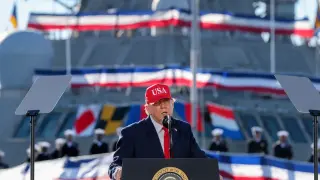
President Trump promised no US strikes on Iran before the November 3 midterms, contradicting reports of Pentagon preparations. Meanwhile, Houthi attacks on Saudi airports killed three people, and the US sanctioned 17 Iranian oil tankers. Rubio claimed Iran lost control of the Strait of Hormuz, while Tehran rejected nuclear concessions.
US President Donald Trump has suspended military strikes against Iran for nearly a month, citing 'productive' negotiations, though talks remain stalled over the Strait of Hormuz. Simultaneously, Houthi rebels in Yemen have escalated attacks on Saudi airports, killing three people, while the US denies requests for direct military support from Riyadh. Oil prices slipped to $100 a barrel as the International Energy Agency accelerated emergency stock releases to curb fuel costs.
Secretary of State Marco Rubio stated that Iran has missed multiple opportunities to reach a nuclear deal, claiming Tehran has lost control of the Strait of Hormuz and its economy is collapsing. While the US imposes new sanctions on 17 shadow fleet vessels, Iran denies direct negotiations, insisting it will never abandon enrichment rights. The conflict remains unresolved, with the US considering strikes before November midterms and Houthi attacks escalating in Saudi Arabia.
Brent crude prices rebounded above $100 per barrel after Houthi militants attacked Saudi airports, including one near a major Aramco refinery. This price spike occurred despite Saudi Arabia reporting that its East-West pipeline had restored flows to 5.8 million barrels daily. The market remains volatile due to conflicting signals: while physical oil exports from the Gulf have recovered to 81% of pre-war levels, shipping costs have surged and security threats in the Strait of Hormuz persist. The International Energy Agency (IEA) is prioritizing diesel stock releases to mitigate fuel shortages, but analysts warn that prices will stay elevated until geopolitical risks are resolved.
President Trump declared the US-Iran conflict nearing its end, claiming consumer prices will drop soon, while facing intense backlash for suggesting Iran could 'take out' Los Angeles and San Diego. Oil prices surged past $100 per barrel as Houthi attacks on Saudi Arabia and shipping in the Strait of Hormuz continued. Diplomatic talks mediated by Qatar remain ongoing, though Iran’s president dismissed them as 'meaningless' due to US sanctions. The US military maintains a blockade with 17 warships, while Iran appointed a sanctioned missile expert as defense minister.
Saudi-backed Yemeni forces claim to have recaptured the strategic Red Sea port of Mokha from the Houthis in a rapid offensive, while Riyadh, Ankara, and Islamabad agreed to deploy troops and activate deterrence measures following Houthi attacks on two Saudi airports. Brent crude remains near $100 per barrel as markets brace for further Middle East supply disruptions.
Crude exports through the Strait of Hormuz have partially recovered, but this rebound relies on costly US military protection and risky ship-to-ship transfers. Recent spikes in Iranian attacks on tankers, including a recent strike injuring Indian crew, threaten the sustainability of these flows without a diplomatic resolution.
The US-led blockade has crippled Iran’s oil exports and triggered hyperinflation, yet Tehran refuses to concede on nuclear issues or transit rights. While Iran’s economy faces historic ruin, the US faces unsustainable costs for maintaining naval escorts and high insurance rates, creating a stalemate where neither side is willing to blink.
Sailors are receiving up to $25,000 per trip to transport oil through the conflict-ridden Persian Gulf, a premium that has helped restore crude exports to 16.5 million barrels per day. While this volume approaches pre-war levels, the logistics remain highly inefficient and expensive, with shipping costs now adding 27% to the final price of oil compared to 3% before the conflict. Brent crude remains above $100 a barrel, driven by these persistent logistical bottlenecks and elevated insurance premiums.
Gulf oil exports have rebounded to near pre-war levels, but Standard Chartered warns that flows remain far from normal due to inefficient workarounds. While volumes have recovered, the system relies on costly ship-to-ships transfers and bypass routes, leaving little spare capacity for further disruptions.
Middle East oil exports have rebounded to pre-war levels, reaching 19.5 to 22.5 million barrels per day in late September, despite ongoing Iranian threats. While US naval escorts and ship-to-ship transfers facilitate this flow, analysts speculate Gulf states may be paying Iran a transit toll to ensure safe passage. This surge coincides with a G7 decision to release 100 million barrels of emergency reserves, yet Brent crude remains elevated at approximately $101.59 per barrel due to persistent security risks and high insurance costs.