
Private Equity Consolidation Drives Up U.S. Veterinary Costs
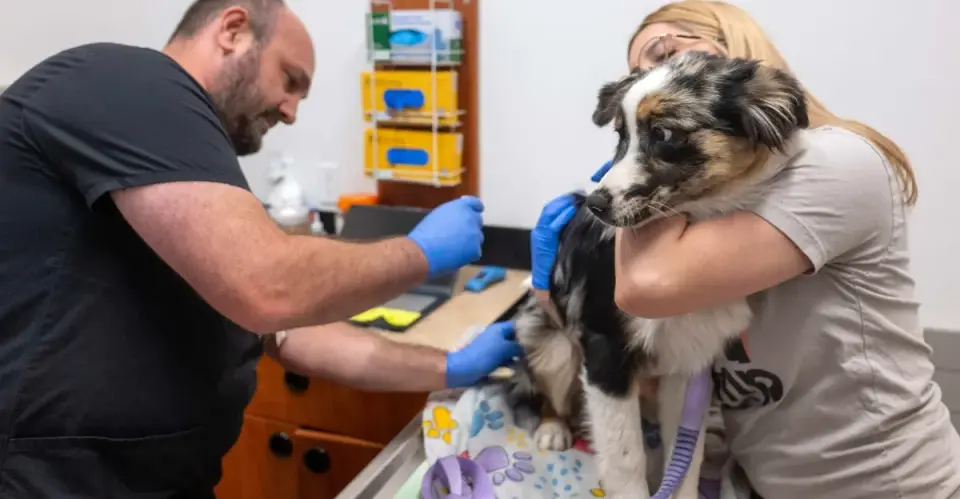
Veterinary care costs in the United States have risen significantly, driven by private equity consolidation and advanced medical technologies. Over half of American households own pets, but many are unprepared for the financial burden of modern pet healthcare. While inflation plays a role, the adoption of human-grade medical procedures, such as MRIs and cancer treatments, has increased expenses. The article suggests that corporate consolidation, potentially involving major conglomerates like Mars Inc., contributes to these rising costs, though specific details are limited due to paywall restrictions.
Key points
- Over 50% of U.S. households own pets, and many face rising costs for veterinary services.
- Veterinary care now includes advanced procedures like MRIs and cancer treatments, similar to human medicine.
- Private equity consolidation is cited as a major factor in increasing pet care expenses.
- Helaine Olen of the American Economic Liberties Project notes that people are often unprepared for the high cost of modern pet healthcare.
- The article hints at the role of large corporations, such as the maker of Skittles, in driving up prices, but full details are behind a paywall.
Background
Recent archive coverage highlights broader trends in private equity and corporate consolidation, such as the $9.6 billion ownership deal for the Seattle Seahawks and the private growth strategy of Chick-fil-A. These examples illustrate how private equity and corporate structures influence various industries, potentially paralleling the consolidation in the veterinary sector discussed in the current story.
Why it matters
Rising veterinary costs affect a large portion of the U.S. population, as pet ownership is widespread. The shift toward advanced medical care for pets, combined with private equity consolidation, may lead to higher financial burdens for pet owners and potentially reduced access to care for lower-income households. This trend reflects broader economic shifts where corporate consolidation impacts consumer prices in essential services.
What to watch
Further investigation into the role of private equity firms and large corporations like Mars Inc. in veterinary care consolidation is likely. Regulatory scrutiny may increase if antitrust groups like the American Economic Liberties Project highlight anti-competitive practices. Pet owners may seek alternatives, such as low-cost clinics or insurance, to manage rising expenses.
Want the full story? Read the original reporting
Read on Vox