
Six-Figure College Costs Surge as Financial Aid Fails to Offset Rising Expenses
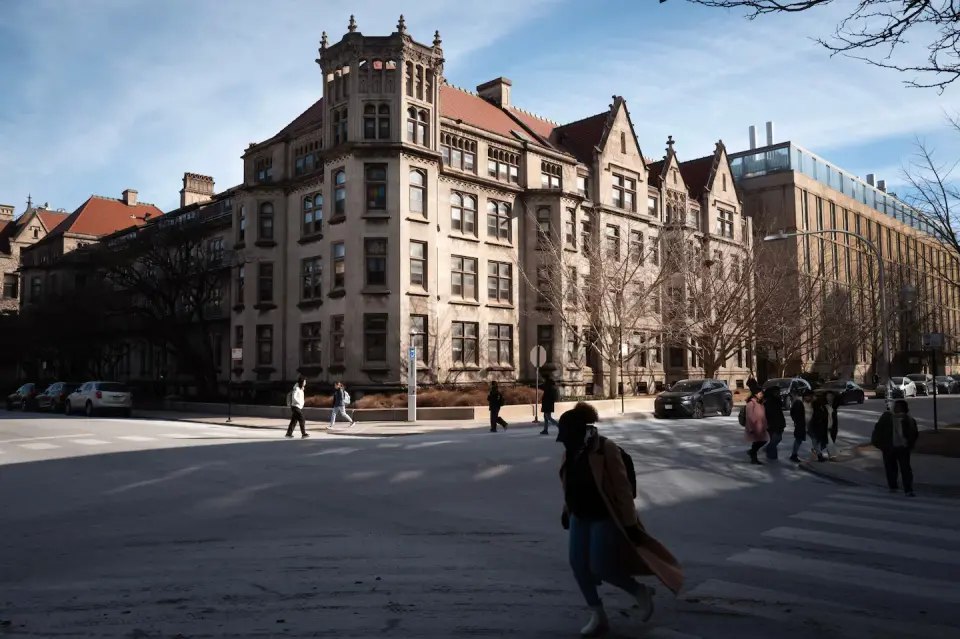
The number of U.S. colleges with total annual costs exceeding $100,000 has surged to 15-16, up from just two a year ago. While sticker prices rise, net costs for many families remain stable due to financial aid, though the overall burden on middle-class households and student debt levels continues to grow.
Key points
- The Princeton Review reports that 15 to 16 U.S. colleges now charge over $100,000 per year for total cost of attendance, a sharp increase from two schools a year ago.
- Average annual costs for private nonprofit four-year colleges reached $65,470 in 2025-26, while in-state public four-year costs averaged $30,990.
- Despite rising sticker prices, net costs for many families have stagnated or decreased due to increased financial aid, though this does not eliminate the burden for all.
- The average student debt for bachelor's degree recipients who borrowed was $29,560 in 2023-24, with total federal student loan debt nearing $1.7 trillion.
- New federal loan limits under the One Big Beautiful Bill Act, effective July 2026, may restrict borrowing for graduate and professional programs, potentially shifting costs to private lenders or less expensive institutions.
Background
This trend follows a long-term pattern of college costs rising faster than wages. In 1986, one year of public four-year college tuition equaled about 11 weeks of median wages; today, it represents nearly 30 weeks. Previous coverage noted that HFTs pay $100,000/month for data, highlighting the broader economic impact of six-figure expenses, but this story focuses specifically on higher education affordability.
How outlets are covering it
The Washington Post emphasizes the rapid increase in the number of schools crossing the $100,000 threshold, noting that 15 schools now charge six figures, up from two a year ago. Visual Capitalist highlights the long-term trend of college costs outpacing wages, noting that one year of public four-year college tuition now equals nearly 30 weeks of median wages, compared to 11 weeks in 1986. WRRV provides specific examples of New York colleges exceeding $100,000, including Barnard College ($103,000) and Fordham University ($102,188). PressTV focuses on the impact on middle-class families, noting that the average annual student budget at a private four-year institution was $65,470 in 2025-26, and that new federal loan limits may shift costs to private lenders or less expensive institutions. The sources agree on the rising cost of college but differ in emphasis: The Washington Post and WRRV focus on the number of schools crossing the $100,000 threshold, Visual Capitalist focuses on the long-term trend of costs outpacing wages, and PressTV focuses on the impact on middle-class families and the role of federal loan limits.
Why it matters
The rising cost of college affects access to higher education, student debt levels, and the financial stability of families. As more schools cross the $100,000 threshold, the burden on middle-class families and the reliance on financial aid and loans increases, potentially limiting access to higher education for those who cannot afford the cost.
What to watch
The impact of new federal loan limits under the One Big Beautiful Bill Act, effective July 2026, will be monitored, as well as the continued trend of rising college costs and the role of financial aid in offsetting these costs. The number of schools crossing the $100,000 threshold may continue to increase, and the burden on middle-class families and student debt levels may rise.
- As more colleges surpass $100,000 price tag, here’s the true cost The Washington Post
- College Costs: The Cost of Raising a Graduate Visual Capitalist
- Do You Know How Many Six Figure Colleges Are in NY? WRRV
- How $100,000 college bills are squeezing American middle-class families amid mounting debt PressTV
Want the full story? Read the original reporting
Read on The Washington Post