
Wright Proposes 120M Barrel EU Diesel Release to Avert US Export Ban
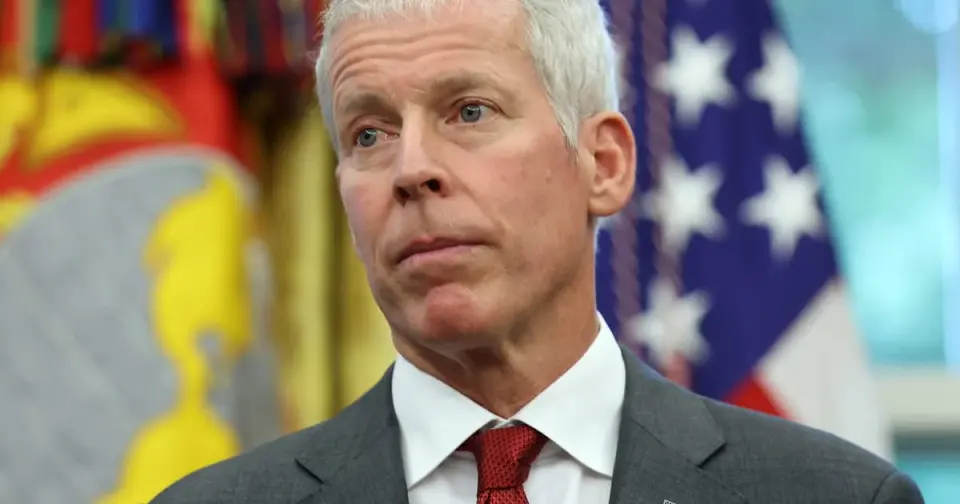
U.S. Energy Secretary Chris Wright has proposed that European governments release 120 million barrels of strategic diesel reserves over six months to lower global fuel prices. This move aims to avoid a potential U.S. export ban, though Trump remains undecided on restricting shipments.
Key points
- Wright’s proposal asks the EU to release 120 million barrels of diesel from strategic reserves over 180 days, representing over one-third of the bloc’s 315 million barrel reserve.
- The plan is positioned as an alternative to a U.S. diesel export ban, which the oil industry opposes due to potential negative impacts on gasoline prices and refinery output.
- Trump acknowledged on Wednesday that a ban is still under consideration but noted it could raise gasoline costs, while Wright promised upcoming announcements from Europe regarding new diesel supplies.
- EU officials indicated that any reserve releases must be coordinated through the International Energy Agency, with the Commission maintaining close contact with Washington and member states.
- Diesel prices have reached record highs due to conflicts in Iran and Ukraine, prompting global warnings from oil executives about potential supply chain disruptions and price spikes.
Background
This development follows earlier tensions in September 2026, where the EU launched diplomatic efforts to block a proposed U.S. diesel export ban, citing that the bloc imports over half its diesel from the U.S. Previous reports indicated the White House was already exploring European reserve releases as a compromise to avoid a full ban amid record-high fuel prices and midterm election pressures.
How outlets are covering it
POLITICO provides the most detailed account of the specific proposal, citing anonymous officials to confirm the 120 million barrel figure and the 180-day timeline. The New York Times emphasizes the global alarm caused by the threat of an export ban, highlighting warnings from BP and the potential for price spikes in unrelated sectors. CNBC focuses on Trump’s shifting stance, noting his recent comments suggesting he is cooling to the idea of a ban due to concerns about gasoline prices, while also highlighting the resurgence of crude exports through the Strait of Hormuz. All sources agree that the U.S. oil industry opposes the ban, but they differ in emphasis: POLITICO and NYT focus on the diplomatic maneuvering and reserve release, while CNBC focuses on the domestic political calculus and market conditions.
Why it matters
The outcome of this negotiation will determine whether global diesel prices stabilize through reserve releases or spike further due to a U.S. export ban. Given that the U.S. supplies over half of Europe’s diesel, a ban could severely disrupt European transport and agricultural sectors, while a coordinated reserve release could provide temporary relief without the broader economic fallout of restricted trade.
What to watch
Watch for official announcements from the EU and the U.S. in the coming days regarding the implementation of the reserve release proposal. Monitor Trump’s final decision on the export ban, as well as any further diplomatic engagements between the White House and Brussels. Additionally, observe global diesel price trends to assess the immediate impact of the proposed reserve release.
- Trump’s energy chief asked Europe to release more than a third of its diesel reserves politico.eu
- EXCLUSIVE: US tells France and Germany to release diesel stocks or face US export ban, sources say Reuters
- Trump’s Threat to Ban Diesel Exports Sets Off Global Alarms The New York Times
- President Donald Trump Has Floated the Idea of a Partial or Full Ban on Diesel Exports, but the Unintended Consequences of Such Actions Would Be Catastrophic finance.yahoo.com
- Trump 'thinking about' diesel export ban, but says it could have 'negative impact' on gasoline CNBC
Want the full story? Read the original reporting
Read on politico.eu