energy-and-climate4.565 min read
Europe’s Diesel Pledge to Trump Relies on March Commitments, Not New Reserves
2 days ago•Source: POLITICO.eu

The latest energy and climate stories, each synthesized from multiple sources with added background and context.
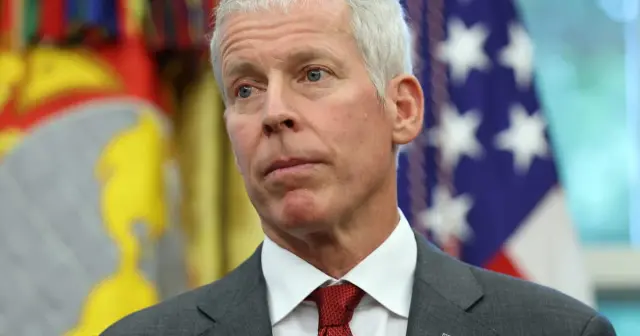
U.S. Energy Secretary Chris Wright has proposed that European governments release 120 million barrels of strategic diesel reserves over six months to lower global fuel prices. This move aims to avoid a potential U.S. export ban, though Trump remains undecided on restricting shipments.

politico.eu•12 days ago
Politico•13 days ago
Germany has released a national roadmap to phase out fossil fuels by 2045, becoming the third European country to do so after France and the Netherlands. The plan targets 80% renewable electricity by 2030 and aims to exit coal by 2038, potentially as early as 2035. While the move signals a shift from carbon neutrality to explicit fossil fuel reduction, critics argue the targets remain insufficient for energy security and climate goals. The announcement follows recent geopolitical tensions and rising energy prices, highlighting the urgency of reducing dependence on volatile imports.

Brussels unveiled an optional A–G sustainability label for large data centers powering AI, requiring disclosure of energy efficiency, water consumption and clean power uptake to boost transparency and spur decarbonization. The scheme takes effect August 2027, with later mandatory standards planned to tighten the requirements. Compliance is currently low (about 36% of sites disclose data). While some industry groups warn it could deter investment, the EU frames the label as essential to align AI infrastructure with climate goals and Europe’s competitiveness in the AI race.
Ursula von der Leyen used her State of the Union to frame Europe’s energy and climate crisis—scorching heat, shrinking rivers, and expensive fossil-fuel imports—while offering few concrete remedies. She called for electrification, faster grid connections, storage, and more renewables to cut imports, and announced disaster-preparedness steps such as a Climate Insurance Alliance and a heat-wave plan, plus a European firefighting fleet. But she provided little detail on accelerating electrification, boosting renewables, or fixing the winter gas crunch; she kept existing climate targets and offered only a vague water initiative, leaving critics to say the speech diagnosed the problem rather than cures it.

As wildfires become more frequent and intense, utilities are weaving wildfire risk into grid planning, upgrading aging infrastructure, and pursuing resilience measures like underground lines and microgrids, while regulators balance cost with safety as the U.S. expands transmission to connect renewables and storage; California's wildfire-resilience rules are guiding practices across states.

Suspected Iran-linked cyberattacks are highlighting chronic gaps in the United States’ drinking-water systems, which are fragmented and aging and increasingly stressed by climate risks. Utilities—particularly smaller ones—struggle with staffing and funding to boost cybersecurity while also upgrading aging pipes, with the EPA identifying vulnerabilities at 277 systems last year. The American Water Works Association is pushing for nationwide minimum cybersecurity standards and federal support as authorities balance cyber defense with infrastructure modernization amid a changing climate.
Extreme heat pushes electric demand on the mid-Atlantic grid, forcing Virginia’s data-center boom to rely on backup diesel generators and prompting emissions and health concerns as regulators weigh using standby power to prevent outages.
Gas prices have fallen about 70 cents per gallon in a month to around $3.92 nationwide as the U.S.–Iran ceasefire eases supply fears and China’s weaker demand keeps oil use soft, defying earlier forecasts and giving Trump a political boost ahead of the midterms. Analysts caution the decline could be temporary if the ceasefire falters or supply tightens, and note voters' sensitivity to affordability will shape its political impact.

Poland logged its hottest temperature on record—40.5°C in Słubice and 40.3°C in Toruń—smashing the previous mark as a Europe-wide heatwave moves east; most of the country topped 35°C with forecasts of more extreme heat into Monday and potential storms, while scientists say such events are becoming more likely due to climate change, with cooling expected from Tuesday.

The Department of Justice filed to dismiss its appeal of a federal court’s December ruling that vacated the Trump administration’s wind permitting moratorium, effectively reopening federal wind project approvals under existing law. The case—brought by New York and 16 states plus a trade group—centers on the pause of onshore and offshore wind permits; the court’s decision vacated the permit pause while keeping the lease withdrawal in place. The dismissal requires approval from the First Circuit, which is typically granted when both parties consent. This development means developers can pursue permits under current regulations, with further updates to follow.
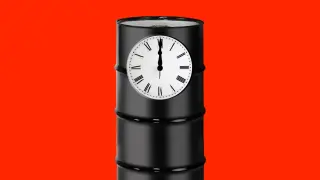
Oil prices face renewed upside risk as the Strait of Hormuz disruption and thinning inventories erode buffers; analysts warn that if the strait stays closed by Labor Day, Brent could jump to about 130–150 per barrel, with gasoline prices likely to rise as U.S. and global stockpiles approach critical minimums, despite SPR releases and other buffers.