
DOE Unleashes $1.9B to Upgrade Grid for Data Center Demand
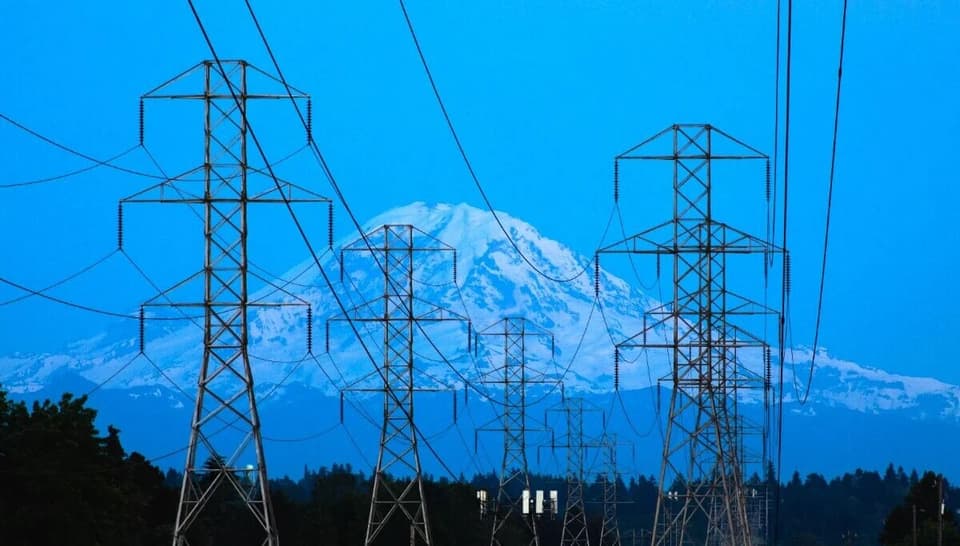
The U.S. Department of Energy has awarded $1.9 billion to 31 utility projects under the SPARK program to add 23 GW of transmission capacity. These upgrades aim to address data center power demands by modernizing existing lines rather than building new corridors, with total project costs reaching $5.3 billion.
Key points
- DOE allocated $1.9 billion to 31 grid-improvement projects, expecting them to add 23 GW of capacity.
- The SPARK program focuses on reconductoring and upgrading existing lines to avoid decades-long new construction.
- Total project spending is projected at $5.3 billion, including $3.4 billion from private sponsors.
- Key recipients include Alabama Power, Duke Energy Carolinas, and the Colorado Energy Office.
- Projects aim to reduce congestion and lower consumer electricity bills by maximizing existing rights-of-way.
Background
This funding follows a mid-March 2026 DOE solicitation focused on grid resilience and smart grid innovation. The initiative is part of a broader effort to modernize critical infrastructure in response to rising energy demands, particularly from data centers, as noted in earlier coverage of the SPARK program's rapid deployment goals.
How outlets are covering it
The Register frames the funding as a direct response to data centers hitting a 'power wall,' emphasizing the urgency of grid upgrades. Utility Dive highlights the technical approach, noting that advanced technologies will deliver upgrades in 'record time' without new construction. Both sources agree on the $1.9B figure and 23 GW capacity target, but Utility Dive provides more detail on specific recipients like the Oklahoma Office of Management and Enterprise Services and the 'Three Corners Connector' project.
Why it matters
This investment is critical for addressing the growing strain on the U.S. power grid caused by data centers and other high-demand users. By upgrading existing infrastructure, the DOE aims to prevent congestion, improve reliability, and reduce costs for consumers, while also supporting the expansion of clean energy and interregional power transfer.
What to watch
The 31 selected projects are expected to begin implementation, with the goal of adding 23 GW of capacity in record time. The DOE will monitor progress to ensure these upgrades effectively reduce congestion and lower electricity bills, while also evaluating the impact on interregional transfer capabilities between the Eastern and Western interconnections.
- Uncle Sam coughs up $1.9B for grid upgrades as datacenters hit a power wall The Register
- Energy Department will spend $2 billion to squeeze more electricity from the aging power grid AP News
- Advanced transmission projects get $1.9B in DOE funding Utility Dive
- DeWine announces $273M federal grant for Ohio energy WDTN.com
- Indiana nabs $175M from feds to fix regional electricity ‘choke point’ Indiana Capital Chronicle
Want the full story? Read the original reporting
Read on The Register