
Oil Rebounds to Six-Week Highs as Hormuz Strikes Escalate
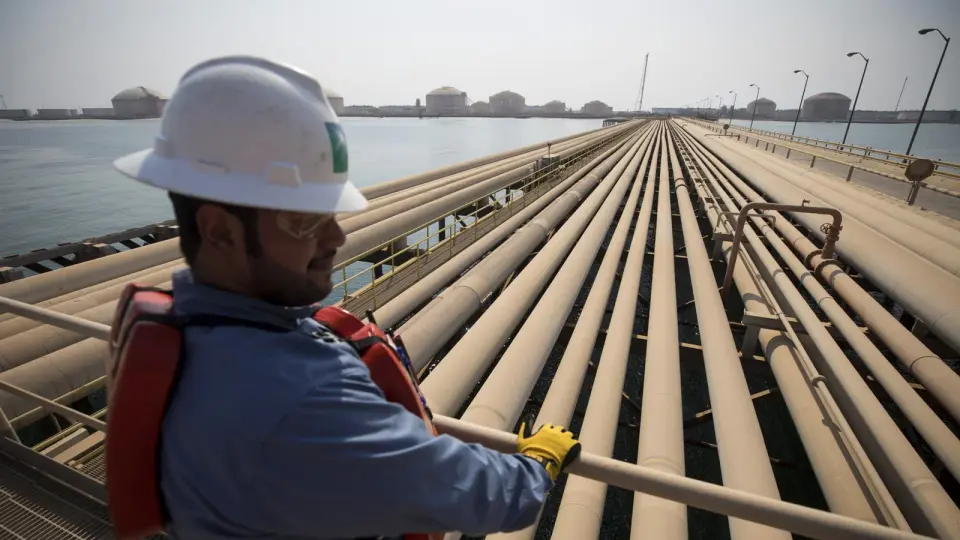
Brent crude has rebounded toward $100 per barrel, while West Texas Intermediate trades above $93, marking a six-week high. This surge follows fresh attacks on Saudi Aramco facilities and US strikes on Iranian tankers in the Strait of Hormuz. US gasoline prices have exceeded $4 per gallon, hitting a record high for the Labor Day holiday. Meanwhile, European AI firm Mistral raised $3.5 billion at a $24 billion valuation, and Canadian tariffs on US goods took effect.
Key points
- Brent crude futures are trading above $97, approaching the $100 mark, while WTI is above $93.
- Saudi Aramco facilities in Jizan were struck for the second time in a month, exacerbating supply concerns.
- US gasoline prices reached a record high for Labor Day, topping $4 per gallon, with diesel prices exceeding $5.90.
- Mistral AI secured a $3.5 billion funding round at a $24 billion valuation, with investors including Samsung and Scaleup Europe.
- Canada implemented new tariffs on approximately $20 billion worth of US goods, affecting companies like Bombardier.
Background
Oil prices have been volatile since late February, rising from $2.98 to over $4 per gallon for gasoline in the US. Previous weeks saw Brent fluctuate between $91 and $97 as US-Iran tensions persisted. OPEC+ recently held output flat, and mediators' efforts to reopen the Strait of Hormuz have stalled, keeping markets sensitive to supply disruptions.
How outlets are covering it
CNBC emphasizes the immediate price rally and the impact on global equities, noting that investors are returning from a long weekend. Al Jazeera provides deeper context on the physical supply chain, highlighting that traffic through the Strait of Hormuz has dropped to an average of 10 ships daily. Al Jazeera also details the economic impact on US consumers, noting a 39% increase in fuel costs since the conflict began, and contrasts this with China's strategy of using its strategic petroleum reserve and shifting to electric vehicles to insulate itself from the disruption.
Why it matters
The resurgence of oil prices threatens to reignite inflation and impact consumer spending ahead of US midterm elections. The geopolitical instability in the Strait of Hormuz, which handles a fifth of global oil supply, poses risks to global supply chains. Additionally, the high valuation of Mistral AI signals continued investor confidence in European tech despite broader market volatility.
What to watch
Market analysts will watch for any ceasefire developments that might stabilize oil prices. Investors will monitor the impact of Canadian tariffs on US-Canada trade relations and the performance of Mistral AI in its new funding round. US consumers may face further price hikes as diesel costs trickle down into other goods.
- CNBC Daily Open: Brent crude barrels back towards $100 CNBC
- Why isn't oil above $100 despite supply disruptions? Reuters
- Asian Stock Markets Mixed, Investors Await U.S. CPI Data WSJ
- Oil prices surge as US-Iran strikes intensify in Strait of Hormuz Al Jazeera
- Oil extends gains as renewed Mideast hostilities raise worries of prolonged conflict CNBC
Want the full story? Read the original reporting
Read on CNBC