
UK Delays North Sea Drilling Decisions Amid Political and Climate Tensions
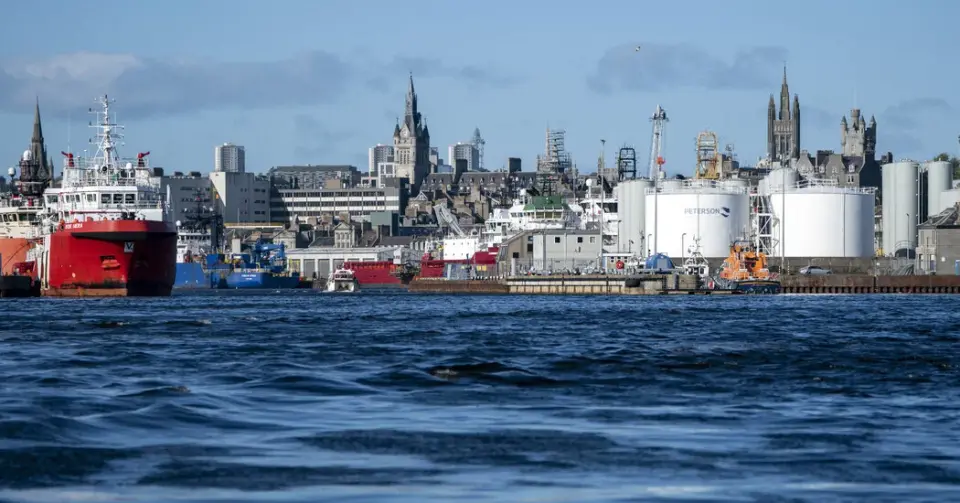
The UK government is delaying decisions on the Jackdaw and Rosebank North Sea projects until after the October 8 by-election, prioritizing political stability over immediate energy expansion despite economic pressures.
Key points
- Energy Secretary Miatta Fahnbulleh has postponed recommendations on the Jackdaw gasfield and Rosebank oilfield to avoid controversy during the Labour Party conference and the Holborn and St Pancras by-election on October 8.
- The delay allows Prime Minister Andy Burnham to sidestep opposition from Green Party candidate Zack Polanski, who accuses Labour of 'dishonesty' for secretly supporting fossil fuel expansion.
- Supporters argue that approving these fields is crucial for energy security, potentially heating 1.4 million homes and generating £11 billion in economic value for northeast Scotland, while critics warn of £336 billion in climate damage.
- The projects involve existing licenses, meaning approval does not violate Labour's manifesto promise against new drilling licenses, but the move has caused internal party divisions and concerns about investor confidence.
- Industry sources suggest that while Jackdaw approval is likely soon, Rosebank may face further delays due to its higher carbon intensity and the political sensitivity of oil exports.
Background
The North Sea has seen declining oil and gas production for 25 years, leading to significant job losses in Scottish communities like Aberdeen. Previous archive coverage highlights broader UK-Argentina tensions over Falklands oil ventures, but the current focus is on domestic political maneuvering regarding existing North Sea assets. The delay follows a period of intense public debate, with polls showing 74% of Britons favoring domestic production over imports, yet environmental groups remain opposed.
How outlets are covering it
The Guardian emphasizes the political calculation behind the delay, noting that Labour is avoiding a public stance before a key by-election where Green Party leader Zack Polanski is challenging Labour's candidate. In contrast, The Spectator argues that the delay is economically damaging, warning that indecisiveness harms investor confidence and increases borrowing costs due to energy insecurity. The New York Times frames the decision as a complex trade-off between climate goals and economic lifelines for coastal communities, highlighting the tension faced by Prime Minister Andy Burnham. While The Guardian and The Spectator both acknowledge the political timing, The Guardian focuses on the perceived dishonesty of the delay, whereas The Spectator criticizes the lack of urgency in securing energy independence.
Why it matters
The decision on Jackdaw and Rosebank sets a precedent for UK energy policy, balancing immediate economic needs against long-term climate commitments. It reflects the growing political influence of climate activism and the economic pressures of energy security, potentially affecting future investments in both fossil fuels and renewables.
What to watch
Expect the Jackdaw decision to be announced shortly after the Labour Party conference in late September or early October, with Rosebank likely following later in the year. The outcome will influence public opinion on energy policy and could impact investor confidence in the UK's energy sector.
- To Drill or Not to Drill? Britain Nears Decision on Aging North Sea Oil Fields. The New York Times
- North Sea gasfield decision likely delayed until after Holborn byelection The Guardian
- Burnham delays crucial North Sea drilling decision until after by-election The Telegraph
- Labour must go further and faster in the North Sea The Spectator
- The UK is preparing to approve the Jackdaw gas field Inspenet
Want the full story? Read the original reporting
Read on The New York Times