energy-and-politics4 min read
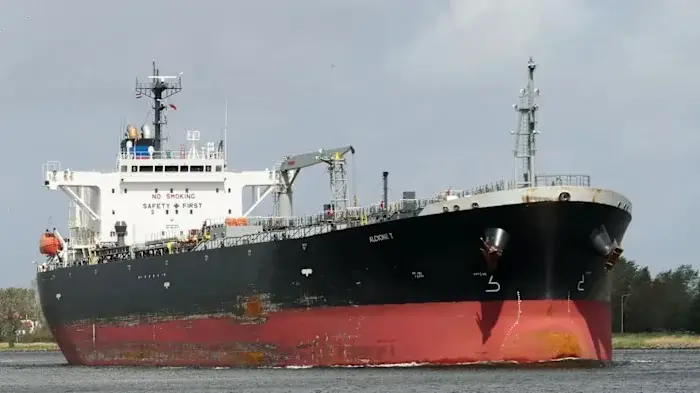
Russian Diesel Tankers Divert as US Inventories Hit 20-Year Low
18 days ago•Source: Financial Times
View original source
The latest energy and politics stories, each synthesized from multiple sources with added background and context.
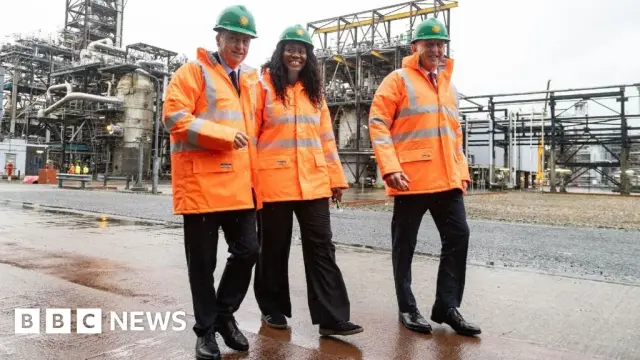
Energy Secretary Miatta Fahnbulleh has asserted that she alone holds the final decision on the controversial Rosebank oil field, rejecting claims that Prime Minister Andy Burnham or Chancellor John Healey will override her. While the UK government recently approved the Jackdaw gas field to bolster domestic energy security, Fahnbulleh indicated she is leaning toward rejecting Rosebank due to its export-focused nature and higher carbon emissions. The decision, expected before year's end, remains a contentious issue within the Labour party and among climate campaigners.
Tampa Bay Times•1 month ago
The UK government approved the Jackdaw gas field in the North Sea, with production expected by month's end. The move aims to reduce reliance on imported fuels and support the economy, but critics argue it undermines climate goals. A new £2 billion energy wealth fund was announced to support renewables, while the Rosebank oil field decision remains pending.
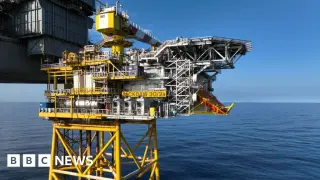
The UK government is set to approve the Jackdaw gas field on Wednesday, a move that boosts Shell and Equinor but risks alienating Labour’s green base and climate campaigners. Energy Secretary Miatta Fahnbulleh and Chancellor John Healey will announce the decision in Aberdeen, arguing it does not violate Labour’s pledge against new North Sea licenses. Critics warn the field offers minimal long-term energy security while undermining climate credibility, with the more contentious Rosebank oil field decision pending later this year.

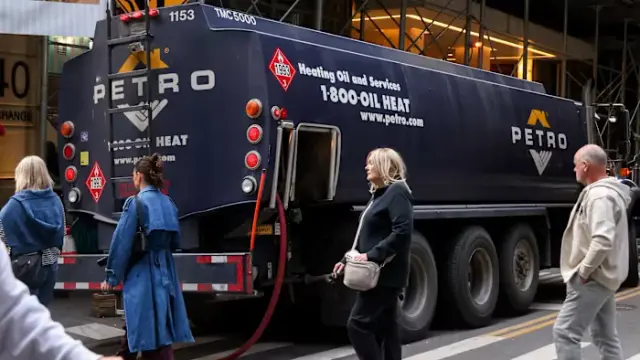
President Trump signed an executive order deferring federal excise taxes on 'red dye' diesel for highway use through year-end, aiming to lower record fuel costs before the November midterms. While the White House claims this will save truckers over $100 per fill, major industry groups warn the move offers minimal relief due to logistical barriers, lingering tax liabilities, and unresolved state restrictions.
President Donald Trump has ruled out a U.S. diesel export ban after G7 leaders agreed to release up to 100 million barrels of oil and diesel reserves. This decision follows intense pressure from the U.S. administration to force European nations to tap their stockpiles to combat record-high fuel prices. The move aims to stabilize global markets and ease domestic costs ahead of the November midterm elections, resolving a week of diplomatic friction between Washington and European capitals.
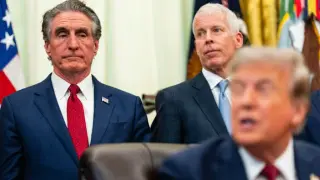
The White House is seriously considering a temporary ban on U.S. diesel exports to lower domestic prices before the November midterms. While President Trump has signaled openness to the measure, energy officials and industry leaders are pushing for alternatives, such as releasing strategic reserves in Europe, to avoid disrupting global markets. U.S. diesel prices have hit record highs near $6.53 per gallon, driven by geopolitical conflicts and supply constraints.
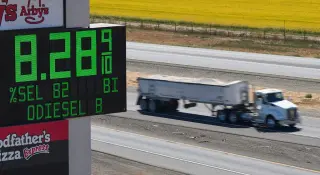
President Trump is weighing a ban on U.S. diesel exports to lower domestic prices ahead of the midterms, a move facing internal resistance from cabinet members and external warnings from European allies.
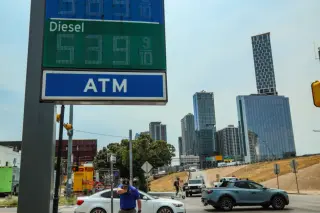
Texas Governor Greg Abbott declared a 30-day statewide disaster on Monday to address record-high diesel prices and fuel shortages. The order suspends restrictions on using untaxed 'dyed' diesel on public roads, increases weight limits for freight, and waives low-emission rules. These measures aim to boost supply and lower costs for agriculture and shipping, which are critical to the state economy. The crisis stems from a seven-month-old U.S.-Israel conflict with Iran that has disrupted Middle East oil exports. While Abbott’s office argues it cannot waive the state fuel tax, Democrats are demanding a tax suspension and blaming federal foreign policy for the price surge ahead of the November 3 midterms.
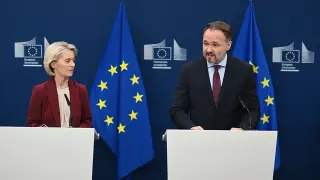
European Energy Commissioner Dan Jørgensen has urged EU member states to implement voluntary measures to reduce gas and electricity demand, warning that soaring prices driven by Middle East conflicts and Asian competition for LNG could lead to shortages. While storage levels are 12 percentage points below last year, the Commission advises against panic buying, suggesting an 80% fill target is sufficient. Jørgensen links the price crisis to a potential supply crisis, noting that 50 million Europeans may face choices between heating and food, a situation he warns could fuel far-right political gains.
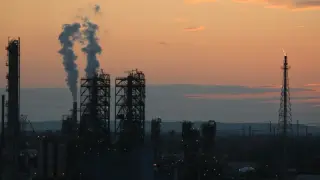
The Trump administration is considering a 90-day ban on diesel exports to lower domestic fuel prices ahead of midterm elections, despite strong opposition from energy officials and business groups who warn it would backfire.
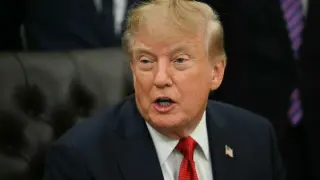
Major US business groups and the European Union have warned President Trump against implementing a 90-day ban on diesel exports, arguing it would raise rather than lower fuel prices. While Trump faces pressure from Republican lawmakers in farm states to act on record-high diesel costs, industry leaders and administration officials caution that restricting exports would disrupt refining capacity and harm global supply chains.