
Record Heating Oil Prices Force Northeast US to Revisit Gas Pipeline Opposition
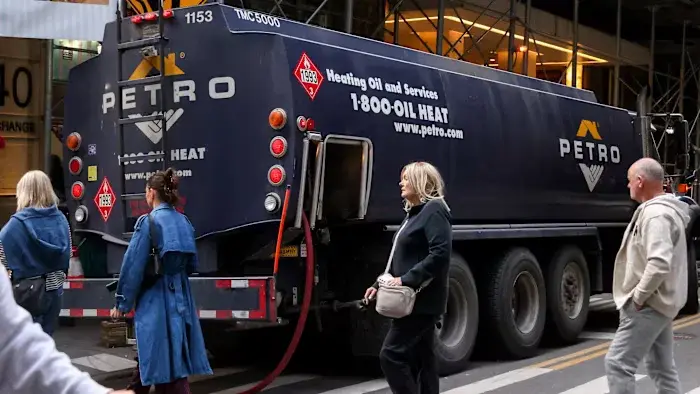
The closure of the Strait of Hormuz in February 2026 has triggered a severe heating crisis in the US Northeast, with heating oil prices hitting a record $6.14 per gallon. This 50% surge since the conflict began is forcing households to turn to firewood and compelling regional governments to reconsider their long-standing opposition to natural gas infrastructure. As winter approaches, low-income families face an additional $1.1 billion in costs, while political pressure mounts ahead of the November midterms.
Key points
- Heating oil prices in the Northeast have jumped 50% since the Strait of Hormuz closure in February, reaching a record $6.14 per gallon according to the US Energy Information Administration (EIA).
- Low-income households in the region are projected to face an extra $1.1 billion in heating costs this winter, a 50% increase, leading to a surge in emergency assistance requests and a shift toward wood burning.
- The crisis is influencing the 2026 Senate race in Maine, where challenger Troy Jackson has criticized incumbent Susan Collins for supporting the Iran war, citing record energy costs as a primary issue.
- Governors in Massachusetts, Connecticut, and New York are softening their stances on natural gas pipeline expansion, with the US Department of Energy allocating $42 million to the Constitution Pipeline to connect Pennsylvania and New York.
- While heating oil costs are soaring, the EIA predicts national natural gas heating costs will drop 9% and propane costs will fall 3% for the 2026-2027 season, highlighting a significant regional disparity.
Background
Previous coverage from September and October 2026 indicated that heating oil prices had already spiked 113% year-over-year to $4.79 per gallon due to Middle East conflicts. At that time, low-income families were facing a $500 gap between their LIHEAP benefits and actual heating costs. The current situation represents a further escalation, with prices now reaching $6.14 per gallon and the crisis becoming a central political issue in the Northeast.
How outlets are covering it
The Financial Times emphasizes the political ramifications, noting that the heating crisis is defining the close Senate race in Maine and forcing a reversal of long-standing environmental policies regarding natural gas pipelines. In contrast, the Dayton Daily News and USA Today focus on the broader national energy landscape, highlighting that while heating oil costs are surging, natural gas and propane prices are expected to decrease, suggesting that the crisis is disproportionately affecting the Northeast. LancasterOnline provides a local perspective from Pennsylvania, illustrating the immediate financial strain on households and the difficult choices between heating and other necessities. The outlets agree on the severity of the price spike but differ in their focus, with the FT highlighting policy shifts and the others emphasizing consumer cost comparisons and local impacts.
Why it matters
This crisis exposes the vulnerability of the Northeast's reliance on heating oil and the limitations of current energy infrastructure. It forces a reevaluation of climate policies and infrastructure investments, potentially accelerating the adoption of natural gas and heat pumps. Politically, it threatens to shift voter priorities in key midterm races, with energy costs becoming a decisive factor in electoral outcomes. The situation also highlights the inadequacy of current assistance programs, as low-income households face a widening gap between their needs and available support.
What to watch
The US Department of Energy has allocated $42 million to the Constitution Pipeline, but experts warn that it may be too late for consumers to benefit this winter. Political pressure is expected to intensify as the November midterms approach, with candidates likely to campaign on energy affordability. The shift toward wood burning and heat pumps may continue, but the long-term impact on air quality and infrastructure remains uncertain. Monitoring the effectiveness of the new pipeline funding and the political outcomes of the midterms will be crucial in understanding the future of energy policy in the Northeast.
- Iran war sparks heating crisis in US north-east as winter approaches Financial Times
- Winter heat cost report: Natural gas, propane down, oil, electricity up Dayton Daily News
- Will my heat bill be more this winter? It depends on what you use USA Today
- 'I almost fell over': Rising heating oil bills force painful budget choices for Lancaster County customers LancasterOnline
- Amid spike in heating oil costs, how are you preparing for this winter? The Boston Globe
Want the full story? Read the original reporting
Read on Financial Times