
US Diesel Export Ban Looms as Industry and Administration Clash Over Record Prices
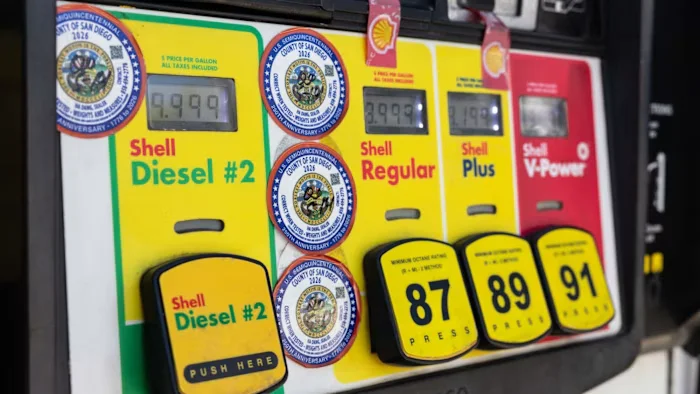
US diesel prices have surged to record highs above $6.50 per gallon, prompting President Trump to consider a 90-day ban on exports. While farm-state Republicans support the move to lower costs for farmers and truckers, the oil industry and several administration officials warn that halting exports would reduce refining output, raise prices for gasoline and jet fuel, and destabilize global markets. The decision is driven by political pressure ahead of midterm elections, despite technical concerns that the ban would backfire.
Key points
- US diesel prices reached a record high of over $6.50 per gallon this week, up 91 cents from a month ago, driven by supply disruptions from conflicts in the Middle East and Ukraine.
- President Trump signaled support for a 90-day ban on diesel exports, reversing a previous stance that such a measure was not on the table, with Treasury Secretary Scott Bessent confirming the administration is examining feasibility.
- A coalition of industry groups, including the American Petroleum Institute and the US Chamber of Commerce, urged Trump to reject the ban, arguing it would reduce refining utilization, increase costs for other fuels, and trigger retaliatory actions from other nations.
- Energy Secretary Chris Wright opposed a total ban, suggesting a voluntary approach or tweaks to export flows instead, while Interior Secretary Doug Burgum and other officials also expressed concerns about the policy's effectiveness.
- Republican lawmakers from agricultural districts, led by Senator Chuck Grassley, are pushing for the ban to ease costs for farmers and truckers, with some proposing legislation to ban exports through January 2027 or trigger bans when prices exceed $5 per gallon.
Background
This debate follows a week of escalating pressure on the Trump administration to address soaring fuel costs ahead of midterm elections. Earlier reports indicated that while the White House initially dismissed the idea of an export ban, political pressure from farm-state Republicans and record-high prices led to a shift in stance. The current situation reflects a broader tension between immediate political relief and long-term energy market stability, with global supply chains already strained by conflicts in the Middle East and Ukraine.
How outlets are covering it
The Financial Times highlights the industry's unified opposition to the ban, emphasizing warnings from major lobby groups that it would harm US energy strength and raise costs for consumers. Politico focuses on internal White House divisions, noting that while some officials support the ban for political reasons, others, including Energy Secretary Chris Wright, argue it is a 'blunt tool' that will backfire. The Washington Post and CBS News both stress the technical arguments against the ban, with CBS News citing experts who note that US refineries produce more diesel than domestic demand requires, and that a ban could lead to reduced production and higher prices for other fuels. All sources agree that the ban is driven by political pressure from farm-state Republicans, but they differ in emphasis: the FT and Politico focus on the industry and administration's internal debate, while the Washington Post and CBS News highlight the economic and technical risks of the policy.
Why it matters
The potential diesel export ban could significantly impact US and global energy markets, affecting prices for gasoline, jet fuel, and other fuels. It also reflects the administration's prioritization of short-term political gains over long-term energy stability, with potential repercussions for international trade and domestic consumers. The decision could set a precedent for government intervention in energy markets, with implications for future policy and market dynamics.
What to watch
The Trump administration is expected to announce a decision on the diesel export ban by the end of the week, with a 90-day ban being the most likely outcome. Industry groups and administration officials will continue to lobby against the ban, while farm-state Republicans will push for its implementation. The outcome will depend on the balance between political pressure and technical concerns, with potential implications for global energy markets and domestic fuel prices.
- US oil industry pushes back against proposed diesel export ban Financial Times
- ‘Dammit, something has to happen’: White House preparing plan for 90-day diesel exports ban Politico
- Exclusive | Behind the Oil-and-Gas Industry’s Blitz to Try to Defeat a Diesel Export Ban WSJ
- How a ban of diesel exports could lead to higher prices — even in the U.S. The Washington Post
- Diesel prices just hit a new record. Would a U.S. export ban bring relief? CBS News
Want the full story? Read the original reporting
Read on Financial Times