
LNG Tanker Diverts to Spain After Suspected Cyberattack Disrupts US-Europe Gas Route
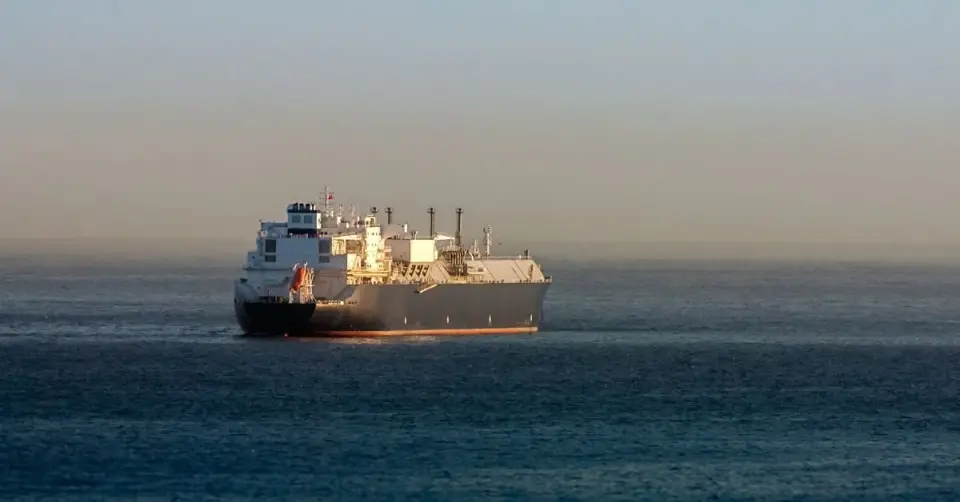
The LNG tanker Vivit Africa, carrying US natural gas to Italy, diverted to Spain after crew members reported a suspected cyberattack that disabled internal control systems. The incident follows a series of maritime cyber breaches, including US Coast Guard boardings of two tankers in August, and highlights growing vulnerabilities in ship-to-satellite connections. While the cause remains under investigation, the event underscores rising risks to global energy logistics amid geopolitical tensions.
Key points
- The Vivit Africa, a South Korean-owned LNG tanker leased by Vitol Group, lost access to internal control systems while transiting the Mediterranean and Adriatic seas in early September 2026.
- The vessel, which loaded cargo at the Cameron LNG terminal in Louisiana, was originally bound for Rovigo, Italy, but halted its voyage and began sailing toward Algeciras, Spain, on September 17.
- The Italian Coast Guard assisted the vessel after its master reported a malfunction affecting cargo monitoring systems, issuing a notice to other ships to maintain distance, though they did not confirm a cyberattack.
- The incident is part of a broader trend of maritime cyber threats; in late August, US authorities boarded two foreign-flagged tankers, including the VL Prosperity, after detecting compromised networks.
- Cybersecurity firm Cydome reported that attacks via satellite 'edge devices' jumped from 3% to 22% of all maritime cyber incidents between 2024 and 2025, with experts warning that increased automation and satellite connectivity expand the attack surface for vessels.
Background
This incident occurs against a backdrop of tightening European gas supplies and heightened geopolitical tensions. Europe has been diversifying its energy sources away from Russian pipelines, increasing reliance on US LNG, while also facing security challenges in key shipping corridors like the Strait of Hormuz. Recent US-Iran conflicts have led to naval blockades and blacklisting of tankers, making maritime cyber threats a critical concern for global energy security. The broader trend of ships adopting satellite-based systems for navigation and operations has created new vulnerabilities, as noted by cybersecurity experts and industry surveys.
How outlets are covering it
Marine Insight and Bloomberg emphasize the operational disruption and the suspected cyber nature of the Vivit Africa incident, noting the lack of a confirmed perpetrator. The Financial Times and Military Times highlight the broader pattern of cyberattacks on tankers, linking them to geopolitical tensions, particularly US-Iran conflicts, and noting that US authorities have investigated potential Iranian involvement in the August boardings. Cydome and maritime security experts focus on the technical vulnerabilities introduced by satellite connectivity, warning that the blurring of operational and IT systems makes ships increasingly susceptible to ransomware and operational control attacks. The Italian Coast Guard and Kongsberg Maritime remain cautious, confirming system malfunctions but not attributing them to cyberattacks, while Vitol declined to comment further.
Why it matters
The Vivit Africa incident signals a growing threat to the global energy supply chain, particularly as Europe relies more heavily on US LNG to meet winter demand. Cyberattacks on maritime vessels can disrupt critical energy flows, increase insurance and security costs, and potentially lead to broader geopolitical instability. As ships become more connected via satellite, the risk of cyber intrusions affecting navigation, engine systems, and cargo integrity rises, demanding urgent industry-wide security upgrades and international cooperation to mitigate these threats.
What to watch
Investigations into the Vivit Africa incident are ongoing, with no confirmed perpetrator identified. The vessel is expected to continue its voyage to Algeciras, Spain, for further assessment. US authorities are likely to continue monitoring and potentially boarding other vessels suspected of cyber compromises, particularly in the Gulf of Mexico and Mediterranean. The maritime industry may accelerate adoption of cybersecurity measures, including isolating operational technology from IT systems and securing satellite connections, to mitigate future attacks. Geopolitical tensions, especially involving Iran, may further influence the frequency and nature of maritime cyber incidents.
- LNG Tanker Carrying US Cargo To Europe Turns Back After Crew Reports Suspected Cyberattack Marine Insight
- Coast Guard boards US-bound vessels apparently compromised by hackers, officials say Military Times
- U.S. Probes Iran Link to Cyberattacks on Texas-Bound Energy Tankers WSJ
- LNG Tanker With US Cargo Reported to Be Victim of Cyberattack Bloomberg.com
- Hackers target ships’ satellite links Financial Times
Want the full story? Read the original reporting
Read on Marine Insight