
Helium Shortage Threatens Chips, MRI Scans, and Defense as Iran War Disrupts Supply
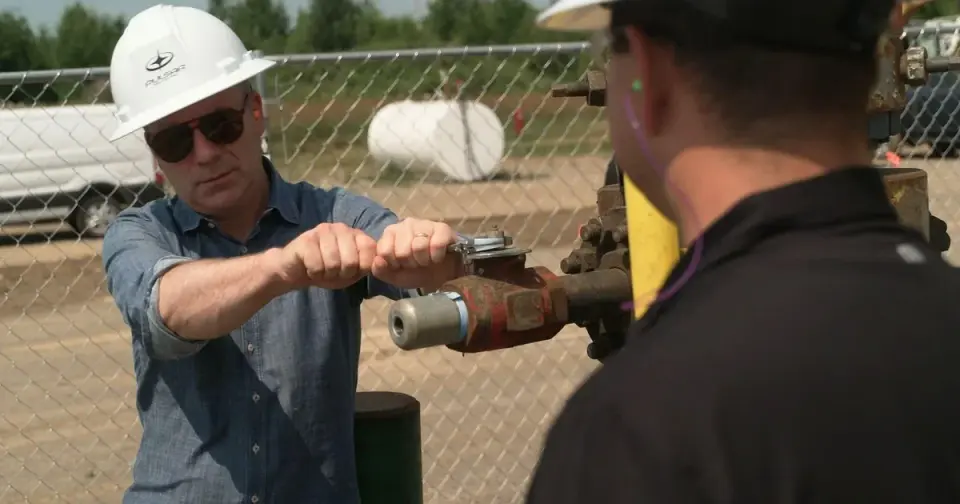
The global helium supply is in crisis due to the closure of the Strait of Hormuz and Iranian strikes on Qatar's Ras Laffan facility, which produces one-third of the world's helium. Prices have tripled, and critical industries like semiconductors, medical imaging, and defense are facing severe shortages and rationing. The U.S. is exporting more helium to offset the gap, but the supply chain remains fragile and dependent on the war's duration.
Key points
- Qatar's Ras Laffan facility, a major helium producer, was damaged by Iranian strikes in March 2026, with full repair taking at least three years.
- The closure of the Strait of Hormuz in February 2026 trapped one-third of global helium supply in the Persian Gulf.
- Helium spot prices have tripled since the start of the war, with some short-term deals reaching $0.90 per cubic foot.
- The U.S. is increasing helium exports by 70% to meet global demand, but this cannot offset the shortage indefinitely.
- Semiconductor manufacturers, MRI facilities, and defense contractors are facing rationing and production delays due to helium shortages.
Background
The helium crisis is part of a broader global energy and supply chain disruption caused by the ongoing US-Israel war with Iran. Previous reports have highlighted the impact of the Strait of Hormuz closure on oil and fuel prices, with global energy reserves at historic lows. The helium shortage adds another layer of complexity to the global supply chain crisis, affecting industries beyond energy, including technology and healthcare.
How outlets are covering it
CBS News emphasizes the critical role of helium in modern life, from smartphones to MRI machines, and highlights the vulnerability of the supply chain to geopolitical disruptions. Energy News Beat provides a more detailed analysis of the market impact, noting that the U.S. is better positioned than Asian countries due to domestic production and storage. It also highlights the long-term implications for industries like semiconductors and medical imaging, where helium is essential for advanced processes. Both sources agree on the severity of the shortage but differ in their focus: CBS News on the human and industrial impact, and Energy News Beat on the market dynamics and long-term solutions.
Why it matters
Helium is a finite and irreplaceable resource critical for modern technology, medicine, and defense. The shortage threatens to disrupt the production of semiconductors, MRI scans, and military equipment, with potential long-term economic and strategic implications. The crisis highlights the vulnerability of global supply chains to geopolitical conflicts and the need for diversification and innovation in helium production and usage.
What to watch
The situation will likely remain tense until the Strait of Hormuz is fully reopened and Ras Laffan is repaired, which could take years. The U.S. may continue to increase exports, but this is not a long-term solution. Industries may accelerate the development of helium-efficient or helium-free technologies, such as sealed MRI magnets, to reduce dependence on the resource. Monitoring the war's progress and the restart of helium production will be crucial for assessing the future of the supply chain.
Want the full story? Read the original reporting
Read on CBS News