
Bluecore Energy’s Floating Nuclear Reactors Face Regulatory Hurdles at Port of Long Beach
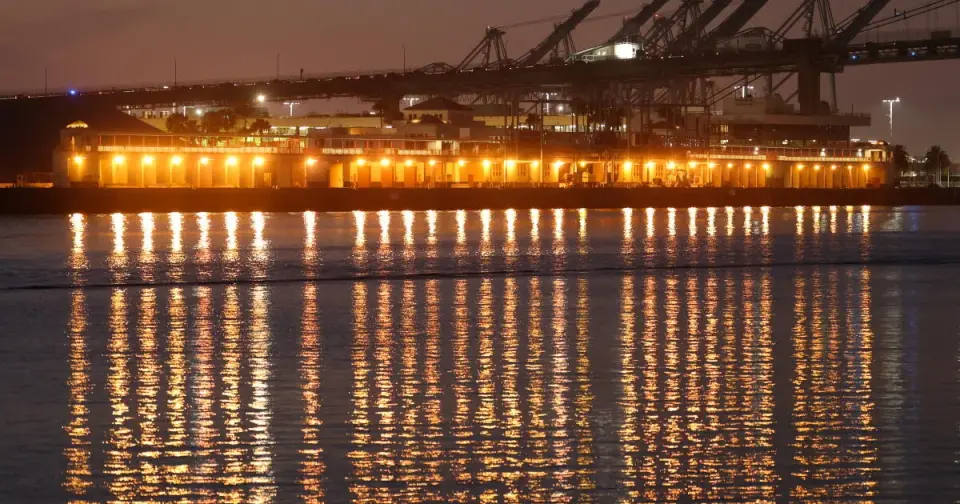
Startup Bluecore Energy has partnered with the Port of Long Beach to develop floating small modular reactors (SMRs) to power port operations and potentially cities. The project, which aims to replace diesel generators with emission-free energy, faces significant regulatory hurdles, including California's 1976 nuclear moratorium and unresolved waste disposal issues. While the port seeks to meet zero-emission goals by 2050, critics and residents raise safety concerns, and no commercial SMRs are currently operational in the US.
Key points
- Bluecore Energy, founded by Kofi Asante, has raised $10 million and established a 10,000-square-foot facility at Berth 48 of the Port of Long Beach.
- The Port of Long Beach signed a memorandum of cooperation with the US Maritime Administration in July 2026 to prepare safety protocols for maritime SMR technology.
- Bluecore’s design involves mounting 10 MWe water-cooled reactors on 185-foot barges, capable of powering approximately 15,000 homes.
- California has maintained a moratorium on new nuclear fission reactors since 1976 due to unresolved radioactive waste disposal issues.
- The Nuclear Regulatory Commission is drafting a white paper to address licensing for maritime nuclear projects, but no application has been submitted by Bluecore yet.
Background
This development occurs amid a broader global and national push for nuclear energy to meet rising demand from artificial intelligence and data centers. Recent archive coverage highlights similar initiatives, such as the US Army’s Project Janus, which aims to deploy microreactors at military bases in New York and Texas. Additionally, the Trump administration has announced $17.5 billion in loans for new large nuclear reactors, citing interest from data center developers. However, the commercial viability of SMRs remains unproven, with previous projects like NuScale’s Idaho deployment cancelled due to cost overruns.
How outlets are covering it
The Los Angeles Times and The Cool Down emphasize the potential of SMRs to meet the Port of Long Beach’s 2050 zero-emission goals and the port’s need for reliable power. They highlight the federal support and the innovative nature of floating reactors. In contrast, the Press Telegram opinion piece by Harry Saltzgaver supports the development but stresses the importance of safety, noting historical nuclear incidents like Three Mile Island and Chernob. Critics, including the Union of Concerned Scientists and local residents, express concerns about safety, security, and the immaturity of SMR technology. The Cool Down notes that California’s 1976 moratorium and unresolved waste issues pose significant legal barriers. The sources generally agree that while the technology is promising, regulatory and public acceptance challenges remain substantial.
Why it matters
The success or failure of Bluecore Energy’s project could set a precedent for the use of nuclear power in maritime and industrial applications. If approved, it could provide a model for other ports and cities seeking to reduce carbon emissions. However, the project’s progress will depend on overcoming regulatory hurdles, addressing public safety concerns, and demonstrating the economic viability of SMRs. The outcome may influence future energy policies and the adoption of nuclear technology in the US and globally.
What to watch
Bluecore Energy is scheduled to meet with the Nuclear Regulatory Commission to outline its regulatory engagement plan. The NRC is drafting a white paper to address licensing for maritime nuclear projects. The company is in discussions with federal agencies, state officials, and local residents to address safety and waste concerns. The Port of Long Beach is preparing safety protocols and infrastructure in collaboration with the US Maritime Administration. The project’s progress will depend on the resolution of regulatory and public acceptance challenges.
- Is Long Beach ready for a floating nuclear power plant? Here’s what to know Los Angeles Times
- Offshore nuclear barges could power ports and data centers—starting with California, where nuclear is banned Fortune
- Bluecore Energy partners with Port of Long Beach on offshore nuclear barges Crypto Briefing
- Pinch of Salt: Nuclear power in Long Beach worth developing – with safety first Press Telegram
- California could see first new nuclear project in decades after landmark port deal The Cool Down
Want the full story? Read the original reporting
Read on Los Angeles Times