
US Declares Helium Critical Material Amid Global Supply Crisis
The US Department of Energy designated helium as a critical material on October 23, 2026, to secure domestic supply for chipmaking and medical imaging. This move follows severe global disruptions caused by the Iran war, which closed the Strait of Hormuz and damaged Qatari facilities, alongside Russian export curbs and Chinese transit bans. While the US produces 43% of global helium, extraction capacity is maxed out, and new domestic projects face multi-year permitting delays. The designation unlocks federal financing and closer monitoring, aiming to reduce reliance on foreign sources as spot prices triple and industry demand for AI and defense components surges.
Key points
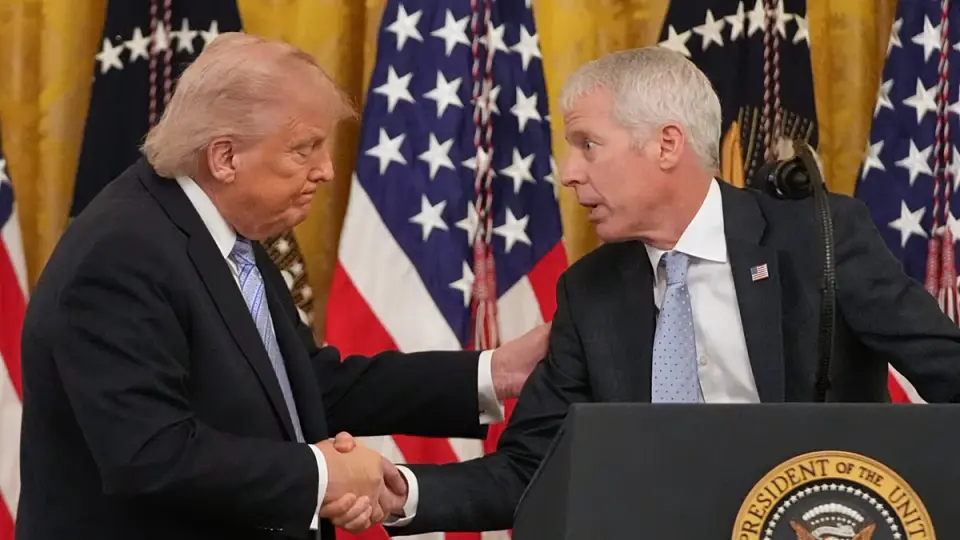
- US Energy Secretary Chris Wright designated helium as the 20th critical material, unlocking federal funding and faster permitting for domestic producers.
- Global supply is squeezed by Iran’s closure of the Strait of Hormuz, strikes on Qatari facilities, Russian export restrictions, and Chinese transit bans.
- Helium is essential for semiconductor manufacturing, MRI machines, and defense systems, with no viable substitutes for its cooling and leak-detection properties.
- US production accounts for 43% of global supply but is constrained by maxed-out extraction plants and slow new project development.
- Spot prices have tripled, and major consumers like Polar Semiconductors face rationing, threatening production capacity expansions.
Background
The US previously listed helium as a critical mineral in 2018 but removed it in 2021 due to secure domestic supply. Recent archive coverage highlights broader US supply chain vulnerabilities, including diesel export bans and European energy shortages, reflecting a wider trend of resource scarcity driven by geopolitical conflicts and trade restrictions. The 2026 Iran war has intensified these pressures, particularly for materials critical to high-tech and defense industries.
How outlets are covering it
Euronews and AP News emphasize the official US designation and its implications for national security and domestic manufacturing, citing Energy Secretary Chris Wright’s focus on reducing foreign dependence. CBS News highlights the human and industrial impact, detailing rationing at universities and chipmakers, and the tripled spot prices, while noting the opacity of the supply chain. Startup Fortune focuses on the economic and regulatory aspects, stressing that the designation unlocks financing for small producers like Avanti Helium and Desert Mountain Energy, but warns it will not solve the immediate supply gap. All sources agree on the severity of the crisis but differ in emphasis: Euronews and AP focus on policy, CBS on operational impacts, and Startup Fortune on market and investment implications.
Why it matters
Helium is indispensable for semiconductor fabrication, medical imaging, and defense systems, with no substitutes. A supply shortage threatens the US chip industry, AI data center expansion, and military production. The designation aims to secure domestic supply, but the multi-year timeline for new projects and ongoing geopolitical disruptions mean the crisis will persist, potentially impacting global technology and healthcare sectors.
What to watch
The US will monitor helium supply more closely and provide federal financing to domestic producers. However, new extraction projects face multi-year permitting delays, and Qatar’s facility repairs are expected to take three to five years. Industry demand is rising due to AI and electrification, while spot prices remain volatile. The US may need to accelerate domestic production or seek alternative supply routes to avoid long-term shortages.
- US designates helium as critical amid European supply squeeze Euronews.com
- 60 Minutes Transcript: Helium in short supply as Iran war continues, with spot prices tripling CBS News
- US designates helium as a critical material, citing its importance for semiconductors AP News
- US Energy Department designates helium a critical material for chipmaking Startup Fortune
- U.S. designates helium a critical material following 60 Minutes report on supply chain crisis CBS News
Want the full story? Read the original reporting
Read on Euronews.com