
California’s fragmented demand response programs hinder potential 9 GW EV grid contribution
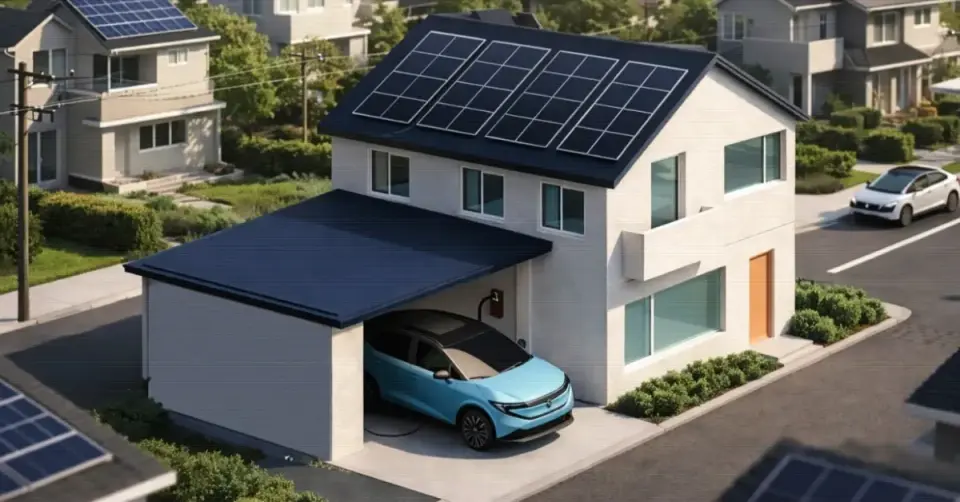
A new report by GridLab, Kevala, and Energy and Environmental Economics estimates that enrolling just 10% of California’s projected electric vehicles in vehicle-to-grid (V2G) programs by 2036 could provide 9 gigawatts of power, meeting over one-third of the state’s long-duration storage target. However, the report argues that California’s current demand flexibility programs are too fragmented, with inconsistent rules and payment structures across utilities. It recommends standardizing programs, paying customers based on verified grid performance rather than mere enrollment, and capping compensation below utility savings to ensure affordability for all ratepayers. Legislative efforts to advance virtual power plant and community solar bills are also underway, though some measures have stalled.
Key points
- Enrolling 10% of California’s projected EVs in V2G by 2036 could supply 9 GW of power, equivalent to 108 GWh of storage, according to a report by GridLab, Kevala, and Energy and Environmental Economics.
- The report highlights that California’s demand flexibility programs are fragmented, with different rules, payment structures, and enrollment requirements across utilities, hindering full participation.
- Recommendations include standardizing program designs, using common technical requirements, and paying customers based on verified grid performance rather than just signing up.
- The report suggests capping customer compensation below the utility’s avoided cost to ensure that savings are shared with all customers, not just those with flexible devices.
- Legislative actions include advancing bills for community solar, balcony solar, and virtual power plants, though some measures like smart meter data access have stalled in committee.
Background
California has been a leader in demand response programs for decades, starting with commercial and industrial customers and expanding to households. However, the theoretical potential of these programs has not been fully realized due to fragmented initiatives and outdated compensation structures. The state’s aggressive clean energy targets and widespread smart meter deployment make it a natural testbed for distributed energy resources. Recent legislative efforts aim to streamline these programs and unlock the potential of EVs and home batteries to manage electricity demand without relying on new power plants or grid upgrades.
How outlets are covering it
Electrek emphasizes the potential of V2G technology to provide significant grid power and the need for standardized programs to unlock this potential. pv magazine USA focuses on legislative advancements in community solar, balcony solar, and virtual power plants, highlighting the importance of these measures in addressing rising electricity rates. Heatmap News provides a broader perspective on California’s demand response market, noting that while the state has an early-mover advantage, fragmented programs and outdated compensation structures have hindered progress. RTO Insider underscores the need for simplified programs to tap into flexible load, aligning with the report’s recommendations for standardization and performance-based payments.
Why it matters
Unlocking the potential of EVs and other distributed energy resources could significantly reduce the need for new power plants and grid upgrades, lowering costs for all ratepayers. Standardizing demand response programs and paying for verified performance could make these programs more effective and equitable, ensuring that all customers benefit from the flexibility provided by EVs and home batteries. This could also help California meet its clean energy targets and manage peak electricity demand more efficiently.
What to watch
California’s utilities are expected to announce consolidation plans for their demand response programs, as highlighted by GridLab’s executive director. Legislative efforts to advance virtual power plant and community solar bills will continue, with final floor votes in the respective chambers. The report’s recommendations for standardizing programs and paying for verified performance could influence future policy decisions and program designs across the state.
- Just 10% of California’s EVs could provide 9 GW of grid power Electrek
- California advances slate of community solar, balcony solar, and virtual power plant bills pv magazine USA
- Exclusive: How California Could Unlock Its Distributed Energy Potential Heatmap News
- Report: Calif. Should Simplify Programs to Tap More Flexible Load RTO Insider
- Why plugging in all those EVs could actually save the power grid grist.org
Want the full story? Read the original reporting
Read on Electrek