energy-policy5.62 min read
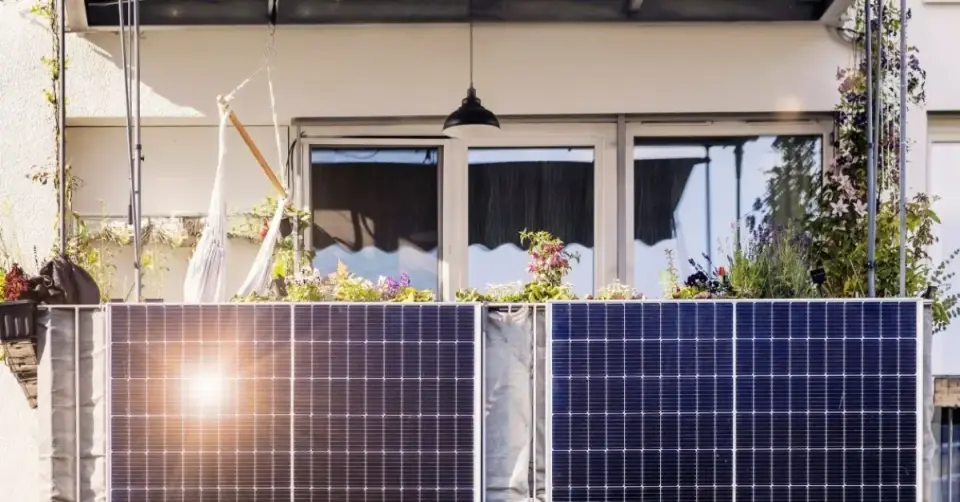
California Legalizes Plug-In Solar for Renters and Condos
9 days ago•Source: Electrek

The latest energy policy stories, each synthesized from multiple sources with added background and context.
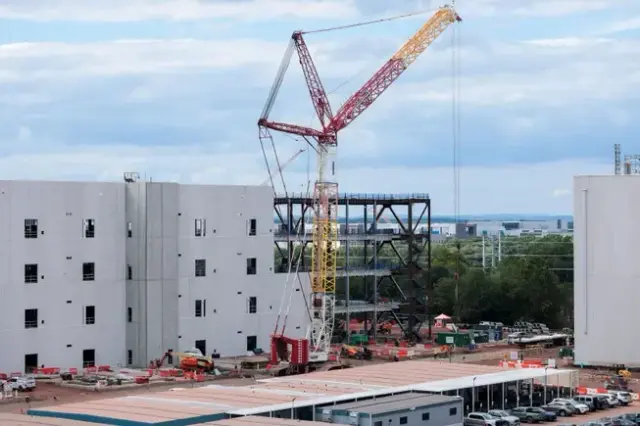
The Federal Energy Regulatory Commission (FERC) has partially rejected PJM Interconnection’s plan for a backstop power auction, delaying the process intended to address capacity shortfalls driven by data center demand. FERC Chairman Laura Swett criticized the proposal as a 'mess' filed at the last minute, citing issues with cost allocation and collateral requirements. PJM has suspended its planned September 30 start date to revise the plan, while states face pressure to implement local rules for large loads.
Politico•1 month ago
Politico•3 months ago
NextEra Energy’s proposed $67 billion merger with Dominion Energy would create a utility giant to speed AI-era infrastructure and, proponents say, lower bills via a two-year $2.25 billion payout that could shave about $25/month through 2028. Regulators at FERC, NRC, and state commissions in North and South Carolina and Virginia must approve, and Virginia’s political leadership—already wary of rate increases—will closely scrutinize long-term affordability and potential settlements to win clearance.
Sen. Adam Schiff introduced the Energy Cost Fairness and Reliability Act, which would require data centers over 50 MW to secure their own power, pay for the grid upgrades they necessitate, and not siphon electricity from existing plants, while directing FERC to update transmission rules to allow demand reductions during peak hours—a move framed as helping curb rising electricity costs amid AI power demand, though the bill currently has no Republican co-sponsors.

The Interior Department plans to reimburse TotalEnergies about $1 billion in 2022 offshore-wind lease fees in exchange for abandoning U.S. offshore wind projects and investing in fossil-fuel infrastructure, a move that raises questions about the department’s authority to issue refunds and could face legal challenges from states and affected communities; the funds would likely come from the Judgment Fund since there’s no clear statutory process for such reimbursements.
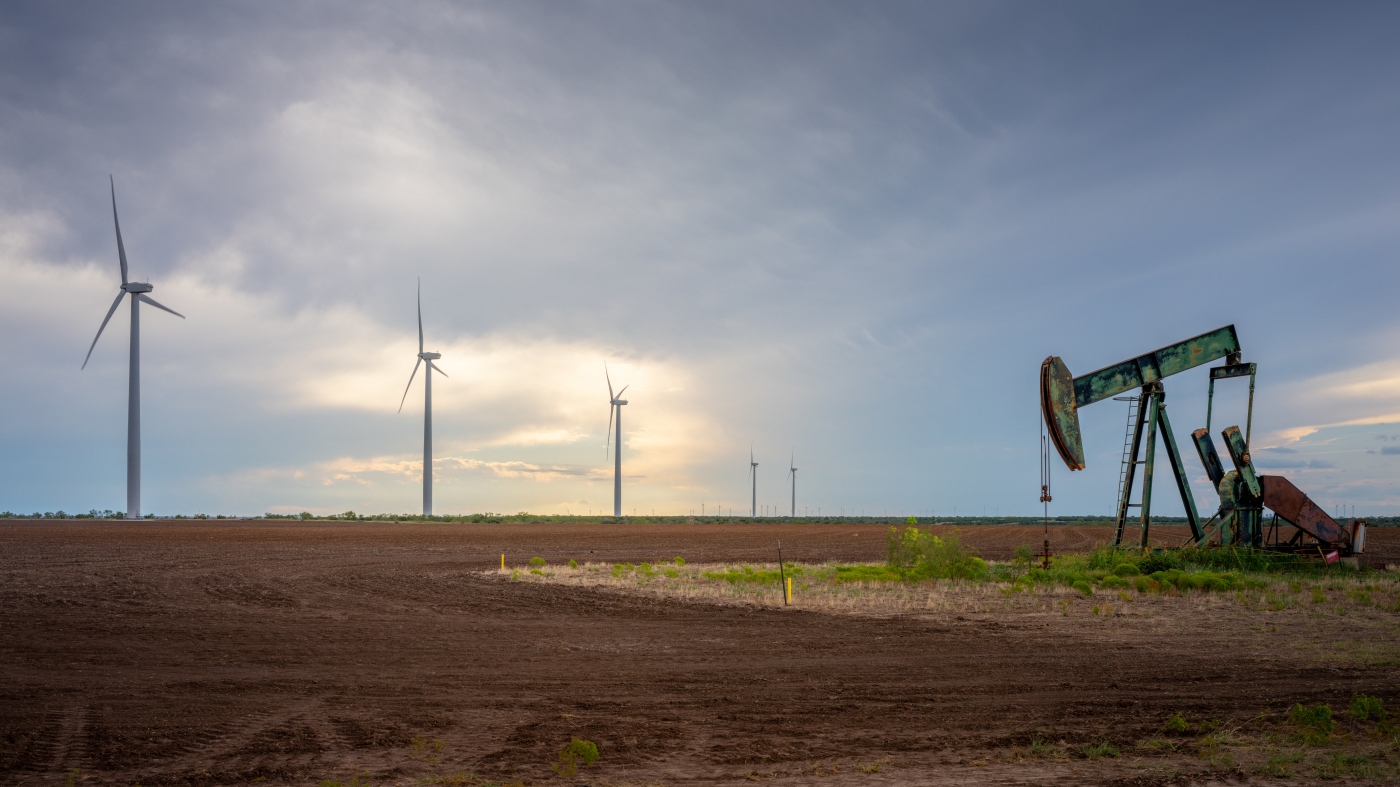
President-elect Donald Trump and prominent Republicans are advocating for an "all-of-the-above" energy policy that supports both fossil fuels and renewable energy sources. This approach, which has been a mainstream Republican position, aims to balance oil and natural gas production with investments in solar, wind, geothermal, and nuclear energy. While Trump's administration may roll back regulations to boost oil production, market forces and Wall Street's focus on financial returns could limit significant increases. Renewables, now cheaper than fossil fuels, are expected to thrive under a rebranded focus on energy security and job creation.
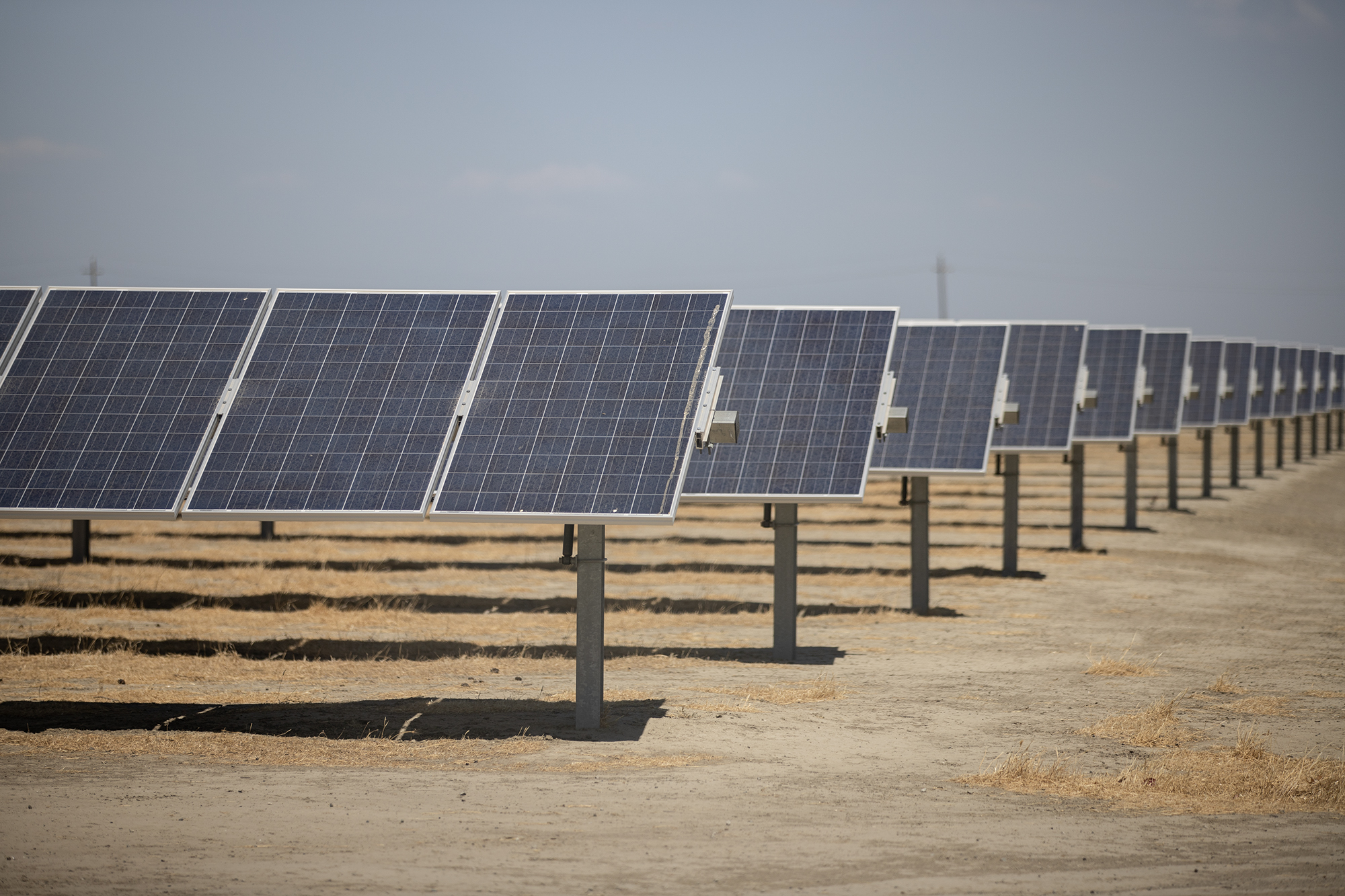
The California Public Utilities Commission has adopted new rules for community solar projects, which critics argue will reduce incentives for expanding solar power to low-income customers. While the new rules allow ratepayers to subscribe to solar projects with a 20% rate reduction, they also decrease future compensation for solar providers, potentially discouraging new projects. Advocates warn that this decision undermines California's clean energy progress and could limit access to renewable energy for disadvantaged communities.

The Biden administration announced new measures to accelerate U.S. nuclear power projects, aiming to mitigate risks and costs associated with plant construction. A new working group will address cost and schedule overruns, and the Army will seek feedback on deploying advanced reactors. This initiative supports U.S. climate and clean power goals amid competition from cheaper natural gas and renewable energy sources.

The Biden-Harris Administration has announced new initiatives to strengthen the U.S. nuclear industry and advance clean energy goals, including the creation of a Nuclear Power Project Management and Delivery working group, support for advanced reactor deployment, and measures to reduce reliance on Russian uranium. These efforts aim to achieve a carbon-free electricity sector by 2035, create good-paying jobs, and ensure energy security and affordability.
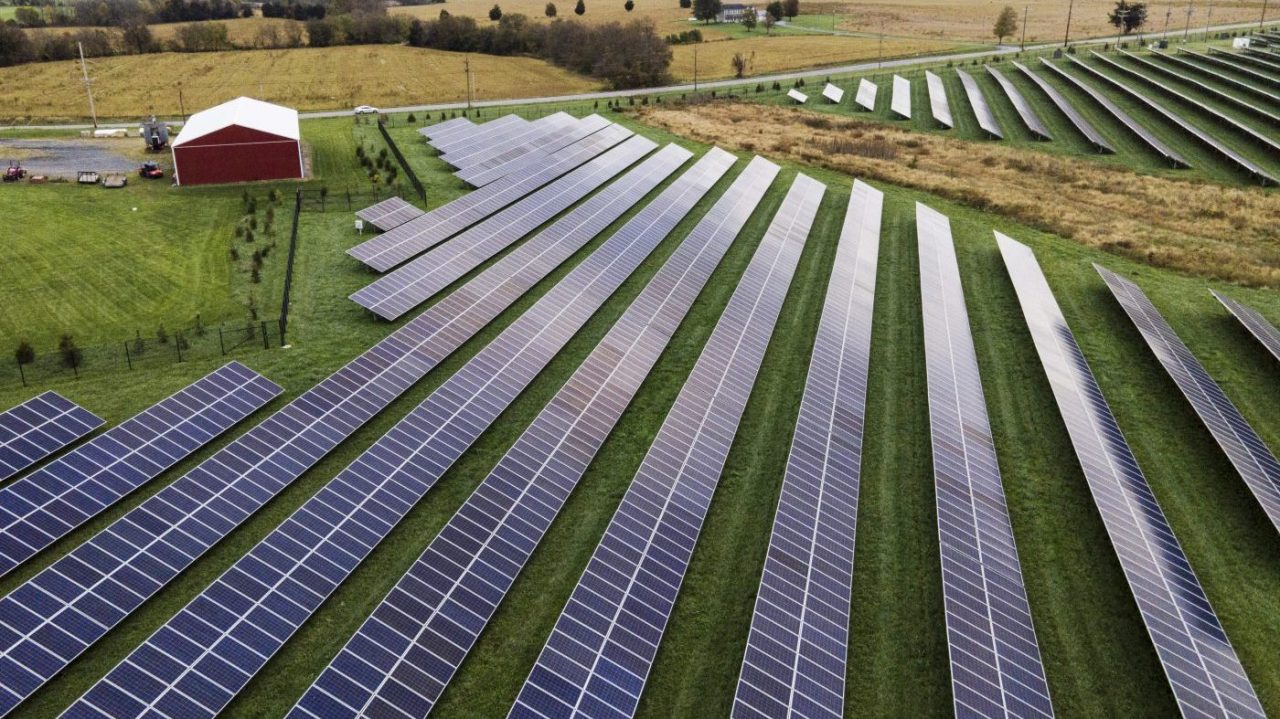
The Biden administration is launching an initiative with 21 Democratic-led states to modernize the U.S. power grid, focusing on increasing capacity and efficiency to support renewable energy goals. The federal government will provide technical assistance and loan programs, while states will prioritize grid modernization and explore expanding transmission capacity. This comes amid challenges in Congress and recent power outages in Texas, highlighting the need for a more reliable and modern grid.

The Biden-Harris Administration has launched a Federal-State Modern Grid Deployment Initiative with commitments from 21 states to modernize and expand the U.S. power grid. This initiative aims to enhance grid capacity, integrate clean energy, and improve resilience against climate impacts. The administration is also streamlining federal permitting processes and providing significant funding through the Inflation Reduction Act and Bipartisan Infrastructure Law to support these efforts.

The recent storm in Houston highlights the vulnerabilities of forced electrification, as residents with electric stoves, water heaters, and vehicles faced significant challenges without power. The Biden administration's push for increased use of electric appliances and renewable energy sources like wind and solar may lead to higher energy prices and reduced economic resilience, especially during major storms. The article argues for a more resilient energy policy that includes natural gas and buried power lines to ensure reliable electricity during disruptions.